
no better than
no better than は英検準1級レベルの英熟語で、「変わらない、〜も同然だ」という意味があります。発音記号は /noʊ ˈbɛtər ðæn/ です。
意味一覧 (2件)
変わらない
解説 Definition
~と変わらない、むしろ同じくらい悪いという意味合いで、期待はずれな人や物を批判するときに使われます。比較対象に対して優劣がないことを強調する否定的な評価です。
If something is no better than something else, it is almost the same in quality, value, or effect, often in a negative way. This expression is used when the difference is so small that it does not really matter. It often shows criticism or disappointment.
覚え方のコツ Memory Tip
まず比較表現 better than「〜より良い」を土台に置き、その前に no が付くと「少しも良くない」→「結局、〜と同じ程度だ」と読めます。特に期待したのに実際は大差なく、むしろ同じくらい悪いと批判するときの言い方です。be no better than ... の形で覚えると強く、This excuse is no better than a lie. のように使われます。単なる not better than より、失望や非難の響きが濃い表現です。
Build it from `better than`, then add `no`: `no better than` means "not better at all." That often gives a strong, critical feeling, as if two things are equally bad. Remember it as a phrase used for disappointment or blame.
例文
That excuse is no better than a lie.
その言い訳は嘘と変わらない。
His behavior is no better than the bully's.
彼の振る舞いはいじめっ子と同じくらい悪い。
Ignoring the problem is no better than causing it.
問題を無視することは、それを引き起こすことと同じくらい悪い。
〜も同然だ
(意味 2)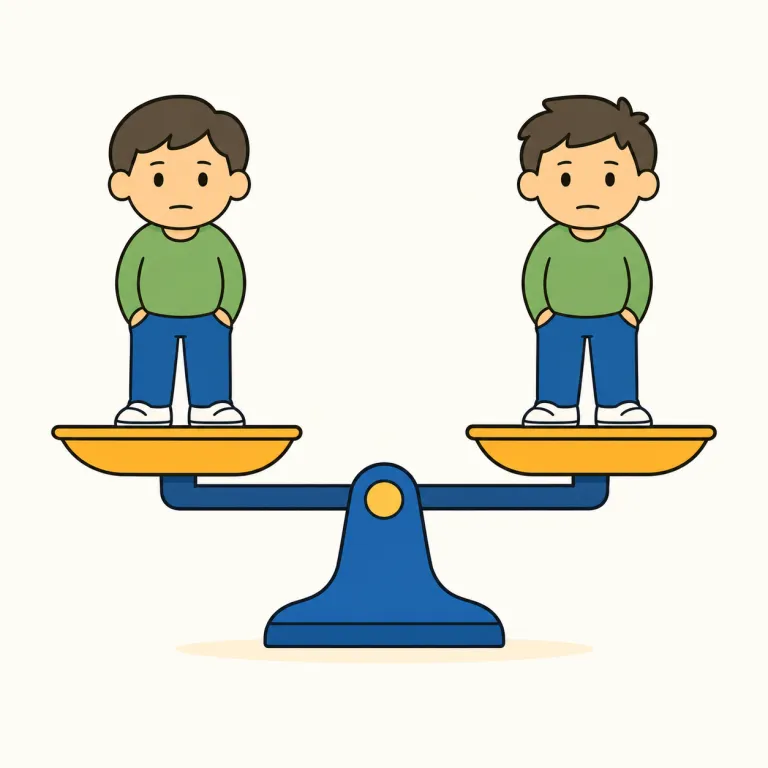
解説 Definition
人や物事を低く評価し、「実質的には〜と変わらない」と否定的に言うときの表現です。特に、価値がない・質が悪い・有害だとみなして、好ましくないものと同一視する文脈でよく使われます。
This is used to say that someone or something is essentially as bad, worthless, or harmful as another. It expresses a strongly negative judgment, often with disappointment or criticism.
例文
Without evidence, his claim is no better than a rumor.
証拠がなければ、彼の主張はうわさも同然だ。
A promise without action is no better than a lie.
行動を伴わない約束は、うそも同然だ。
For many workers, that pay cut was no better than an insult.
多くの労働者にとって、その賃下げは侮辱も同然だった。
no better than の語源・成り立ち Etymology
noは古英語nā、betterは古英語bettera(goodの比較級)、thanは古英語þonne。「~より良くない=同程度」が直訳だが、実際には「~と同然だ」と軽蔑的に使う。betterの語根はboot(利益)と同源で、関連語にbest, bettermentがある。
"No better than" is built from Old English words: "no," "better," and "than." "Better" is the comparative form of "good" and is related to "best" and "betterment." The literal sense is "not better than," but it developed into a stronger idiomatic use meaning someone or something is practically the same as, often with criticism or contempt.
同じレベルの語彙をもっと
英検準1級の一覧へ →外部辞書で調べる
この英熟語をクイズで覚えよう