オレフィン繊維
noun 名詞ポリエチレンやポリプロピレンから作られる軽量な合成繊維を指します。水や汚れに強く、カーペット、ロープ、室内装飾布などに使われ、化学物質としてのオレフィンとは区別されます。
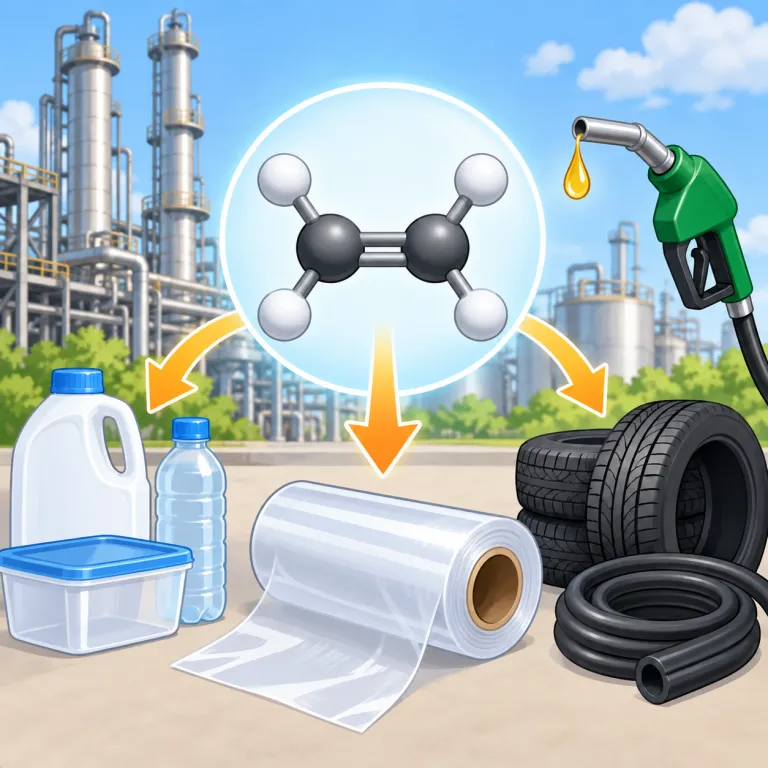
炭化水素の中で、二重結合を含む化学化合物の総称。プラスチック、ゴム、燃料などの製造に使用される。
An olefin is a type of chemical compound made mainly of carbon and hydrogen, with at least one double bond between carbon atoms. It is a technical word used in chemistry and industry, especially when talking about fuels, plastics, and other manufactured materials. In many contexts, it is similar to the word "alkene."
化学で ethylene や propylene を見たことがあれば、その仲間をまとめて olefin と覚えると定着しやすい。教科書では alkene とほぼ対応する語として出ることが多く、共通点は C=C の二重結合を持つこと。そこが反応の起点になるので、polyethylene や polypropylene の原料として重要、という使用場面と結びつける。alkane のような飽和炭化水素と対比すると混同しにくい。
Think of `olefin` as the family name for chemicals like ethylene and propylene. In many chemistry texts, it is close to `alkene`, so connect it with a C=C double bond. It is easier to remember if you link it to materials like polyethylene and polypropylene. Keep it separate from `alkane`, which does not have that double bond.
Olefin polymers are widely used in the production of plastic containers and films.
オレフィン高分子はプラスチック容器とフィルムの製造で広く使用されている。
Olefins readily undergo addition reactions because they contain carbon-carbon double bonds.
オレフィンは炭素間二重結合を持つため、付加反応を起こしやすい。
Petrochemical plants produce olefins by breaking down larger hydrocarbon molecules.
石油化学プラントでは、より大きな炭化水素分子を分解してオレフィンを製造する。
文脈によって、次の意味でも使われます。
ポリエチレンやポリプロピレンから作られる軽量な合成繊維を指します。水や汚れに強く、カーペット、ロープ、室内装飾布などに使われ、化学物質としてのオレフィンとは区別されます。
olefin は「油を生じるもの」という19世紀化学語で、ラテン語 oleum「油」が核。もとはエチレンが塩素と反応して油状液体を作る性質から名づけられ、petroleum や oleaginous にも同じ油の語根が見える。
`Olefin` was coined in 19th-century chemistry from a root meaning "oil," from Latin `oleum`. It originally referred to substances like ethylene that could form oily liquids in chemical reactions. The oil root also appears in English words such as `petroleum` and `oleaginous`.
この英単語をクイズで覚えよう