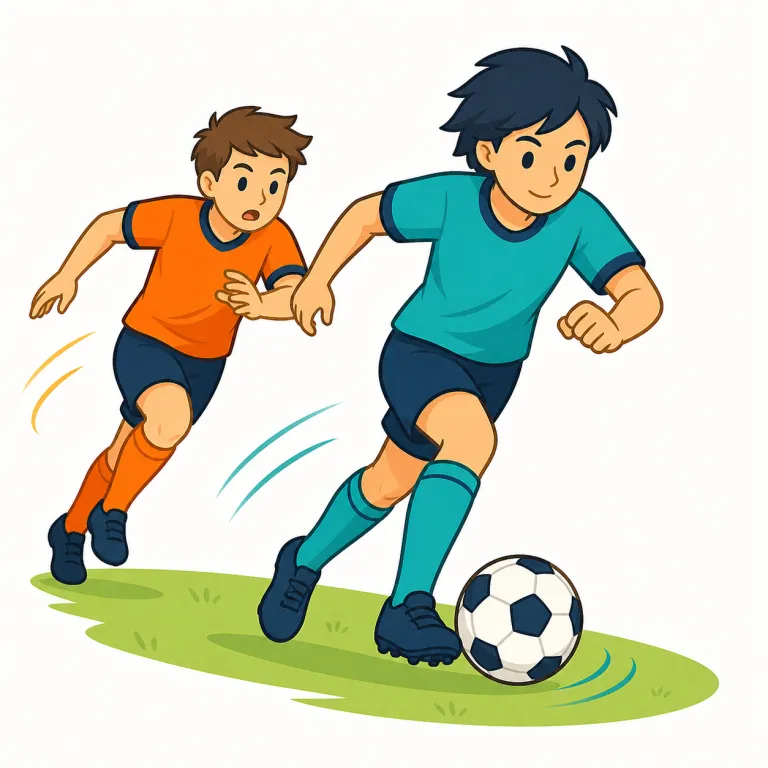
(実力やプレーで)上回る
解説 Definition
スポーツやゲームで、相手より優れた技術・判断・戦術を見せて上回ることを表す動詞。だますというより、実力やプレー内容の差によって相手を圧倒したり、優位に立ったりする意味で使われる。
To outplay someone means to perform better than them in a game, sport, or contest. It suggests using greater skill, strategy, or control to win or gain an advantage. The word is common in sports and competitive situations.
覚え方のコツ Memory Tip
outplay は play が分かれば取りやすい語。out- は outperform, outnumber などと同じ「相手より上に出る」感覚で、out + 動詞 で「〜し勝つ」という型をまず押さえると覚えやすい。単に win しただけでなく、プレー内容・判断・戦術で上回るのが核心。だまして勝つ outsmart とは違い、実力差で勝る語。スポーツなら outplay the opponent、ゲームなら outplay them の形ごと覚えると定着する。
Break it into `out-` + `play`. The prefix `out-` often means "do better than," like in `outperform`, so `outplay` means winning through better play. Think of common sports phrases like `outplay the opponent` or `outplay them`.
例文
The champion managed to outplay the challenger throughout the match.
チャンピオンは試合を通して挑戦者をプレーで圧倒した。
Their team's superior strategy allowed them to outplay their opponents decisively.
そのチームは優れた戦略によって相手を決定的に上回った。
With skillful footwork and tactics, the player was able to outplay the defender.
巧みな足さばきと戦術で、その選手はディフェンダーを上回ることができた。
outplay の類義語・関連語
outplay の語源・成り立ち Etymology
outplay は out-「上回って」+ play で、play は古英語 plega「遊び・競技・活発な動き」にさかのぼります。player や playful と同根で、「相手より上のプレーをする」という核から、スポーツやゲームで相手を実力や戦術で上回る意味になりました。
Outplay is built from out- meaning "beyond" or "better than" and play. Play comes from Old English plega, meaning "play," "sport," or lively movement, and it is related to player and playful. The word grew from the idea of doing better in play than someone else.
同じレベルの語彙をもっと
外部辞書で調べる
この英単語をクイズで覚えよう