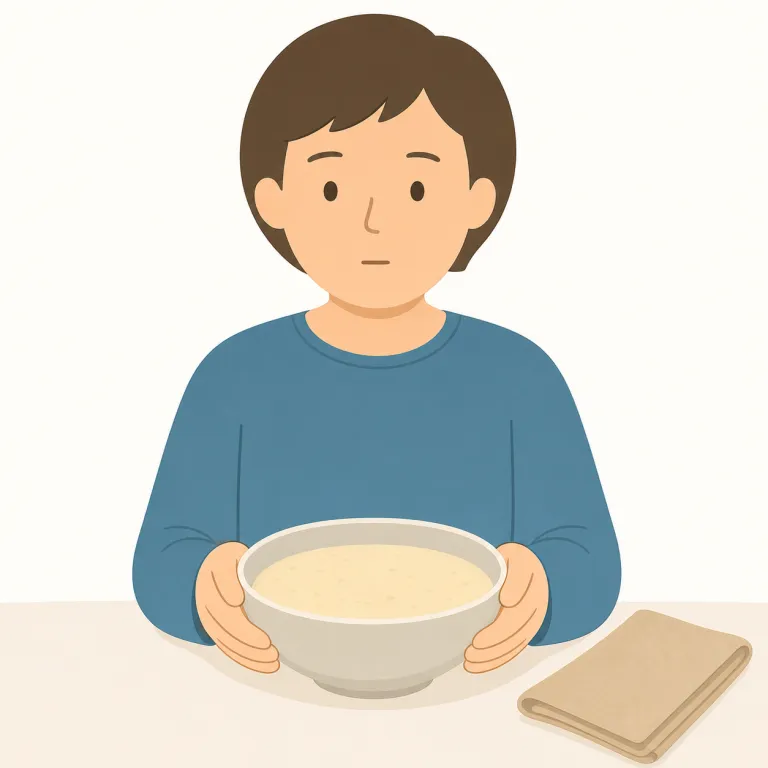
淡々と、そっけなく、味気なく
解説 Definition
blandly は、感情や強い反応を見せず、そっけなく淡々と話したり振る舞ったりする様子を表す副詞です。また、食べ物などが刺激や特徴に乏しく、味気なく仕上がっていることを述べる場合にも使われ、無関心で当たり障りのない印象を与えることがあります。
Blandly means in a way that is not lively, emotional, or interesting. It is often used to describe how someone speaks or reacts when they seem calm, plain, or unaffected. In some contexts, it can also relate to food that has little flavor.
覚え方のコツ Memory Tip
まず bland「味が薄い・特徴がない」を確実に押さえ、-ly で『そういうふうに』と見れば覚えやすいです。食べ物が bland なら味気ない、人が speak or reply blandly なら、感情や熱意が乗らず、そっけなく平板に話す感じ。calmly が単に落ち着いているだけなのに対し、blandly は『反応が薄く、印象に残らない』方向へ寄りやすい語です。dryly のような皮肉っぽさは必須ではなく、むしろ無難すぎて温度が低い場面を思い浮かべると定着します。
Start from `bland`, meaning plain or without much character, and then add `-ly` for "in that way." That makes `blandly` easy to remember as the adverb form. Compare it with `calmly`: `calmly` can still feel warm, but `blandly` often feels flat, dull, or low-energy.
例文
He blandly said that there was nothing to worry about.
彼は心配することは何もないと淡々と言った。
The vegetables were blandly cooked, with almost no seasoning.
その野菜はほとんど味付けされず、味気なく調理されていた。
She smiled blandly and returned to her desk.
彼女はそっけなくほほえんで自分の机に戻った。
blandly の類義語・関連語
blandly の語源・成り立ち Etymology
blandly は bland「刺激の少ない・味気ない」に副詞化の -ly が付いた語で、bland はラテン語 blandus「穏やかな・こびるような」に由来します。『角が立たず穏やか』から『特徴が薄い』へ意味がずれ、味気なくの感じになりました。関連語は blandish, blandishment。
Blandly comes from bland with the adverb ending -ly. Bland comes from Latin blandus, meaning "smooth," "mild," or "flattering." The sense moved from pleasantly gentle to lacking strong character, which led to the modern feeling of something mild and uninteresting; related words include blandish and blandishment.
同じレベルの語彙をもっと
外部辞書で調べる
この英単語をクイズで覚えよう