outwit
outwit は英検1級・TOEIC 860・TOEFL 80・IELTS 6.5レベルの英単語で、「出し抜く」という意味があります。発音記号は /ˌaʊtˈwɪt/ です。
出し抜く
解説 Definition
力任せではなく、機転や策略、知恵を使って相手より有利に立ち、うまくだましたり裏をかいたりして勝つことを表す動詞。単に勝つよりも、頭の良さや巧妙さで上回る響きがあり、競争や交渉、捜査、ゲームなどでよく使われる。
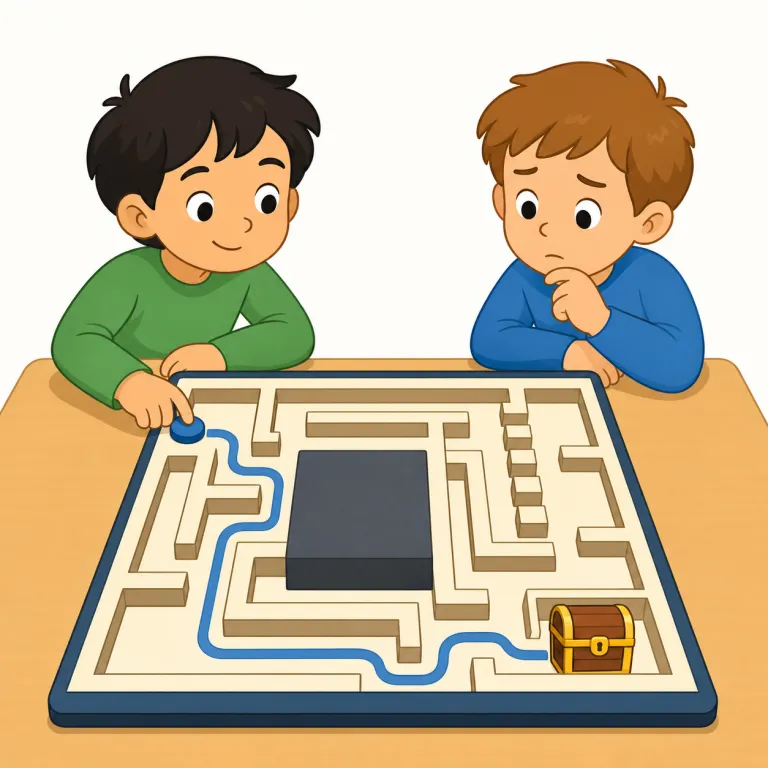
To outwit someone means to be cleverer than them and succeed in defeating or tricking them. It is often used in situations involving competition, planning, or strategy. The word suggests winning by intelligence rather than by force.
覚え方のコツ Memory Tip
witty(機知に富む)や wit(機知)を知っていれば、out- が「上回る」方向を足して、outwit は「知恵で相手の上を行く」と覚えやすい。beat が単なる勝敗、trick がだます行為そのものなのに対し、outwit は頭脳戦で出し抜く語。outsmart に近いが、outwit は機転や策略で裏をかく響きがやや強い。outwit an opponent / the police のように、ゲーム・交渉・捜査で「力ではなく一枚上手だった」場面と結びつけると残りやすい。
See `out-` as "beyond" and `wit` as quick intelligence. So `outwit` is about going beyond someone with your brain, not with force. It is close to `outsmart`, and you often see it in phrases like `outwit an opponent` or `outwit the police`.
例文
The clever detective managed to outwit the criminal by setting an elaborate trap.
賢い刑事は巧妙なわなを仕掛けて犯人を出し抜くことに成功した。
She outwitted her opponent in the chess match with an unexpected sacrifice.
彼女は予想外の駒の犠牲でチェスの相手を出し抜いた。
The fox is known for its ability to outwit hunters with clever tricks.
キツネは巧みな手で猟師を出し抜くことで知られている。
outwit の類義語・関連語
紛らわしい語
outwit の語源・成り立ち Etymology
outwit は out「上回って外へ」+ wit「知恵」から成る英語本来の語で、wit は古英語 witan「知る」に由来します。力ではなく「知っていること」で相手の外側に出るのが原義で、wise や witness も同じ知の根から来ると分かると意味が締まります。
Outwit is a native English formation from out- and wit. Wit comes from Old English witan, meaning "to know," and is related to wise and witness. The word originally meant to get ahead of someone by knowledge or clever thinking, and it still keeps that idea.
同じレベルの英単語をもっと
英検1級の一覧へ →外部辞書で調べる
この単語を英単語クイズで覚えよう