非経口的
解説 Definition
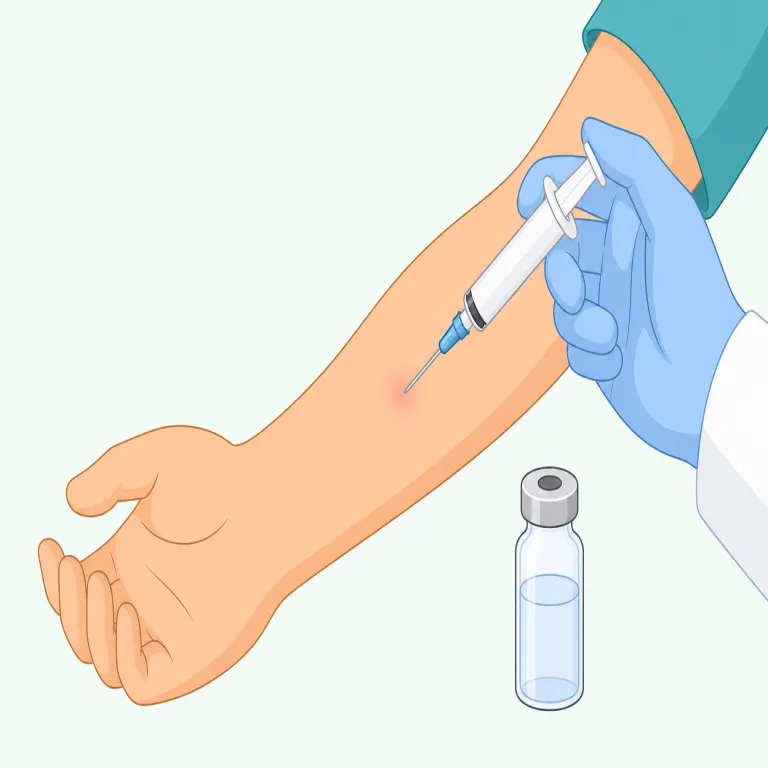
消化管を通さずに、注射や点滴などで体内に薬剤や栄養を投与する方法に関すること。
Parenteral describes medicine, food, or fluids that enter the body without going through the stomach or intestines. It is most often used in medical contexts for injections or intravenous treatment. This is a technical word mainly used by healthcare workers.
覚え方のコツ Memory Tip
まず oral → enteral → parenteral を並べて覚えると整理しやすいです。oral は口から、enteral は消化管を使う、parenteral はそこを通さず注射・点滴で入れる、という対比です。医療文脈では parenteral nutrition や parenteral administration が頻出なので、IVルートや輸液の場面と結びつけると残りやすいです。つづりは parental(親の)と紛らわしいので、enter が入っている=「腸ルート関連の語」と毎回確認すると誤読を防げます。
Remember the set `oral -> enteral -> parenteral`. `Oral` is by mouth, `enteral` goes through the digestive system, and `parenteral` skips that route. Also watch the spelling: it looks a bit like `parental`, but `enter` inside helps you connect it to the body route contrast.
例文
The patient received parenteral nutrition through an intravenous drip after the surgery.
患者は手術後、点滴による非経口栄養を受けた。
Parenteral drug administration bypasses the digestive system for faster absorption.
非経口的な薬剤投与は消化器系を経由せず、より速い吸収を可能にする。
The nurse prepared the parenteral solution according to the doctor's precise instructions.
看護師は医師の正確な指示に従って非経口投与用の溶液を準備した。
parenteral の類義語・関連語
parenteral の語源・成り立ち Etymology
医学語 parenteral は、ギリシャ語 para-「〜の外に・脇に」+ enteron「腸」+ -al からできています。つまり「腸を通る enteral の外側」が原義で、口や消化管を経ない「非経口的」という意味になります。関連語は enteral, enteritis。
Parenteral was formed in modern medical English from Greek-based parts: para- meaning "beside" or "outside," enteron meaning "intestine," and -al. It was built in contrast to enteral, which refers to passing through the intestines. The basic idea is "outside the intestinal route," so the word came to mean use without going through the digestive tract.
同じレベルの語彙をもっと
外部辞書で調べる
この英単語をクイズで覚えよう