最小仮定の原則、簡潔性
noun 名詞科学や哲学で、同じ程度に事実を説明できるなら、仮定や仕組みの少ない説明を選ぶという簡潔性の原則を指します。principle of parsimony や explanatory parsimony などの形で使われます。
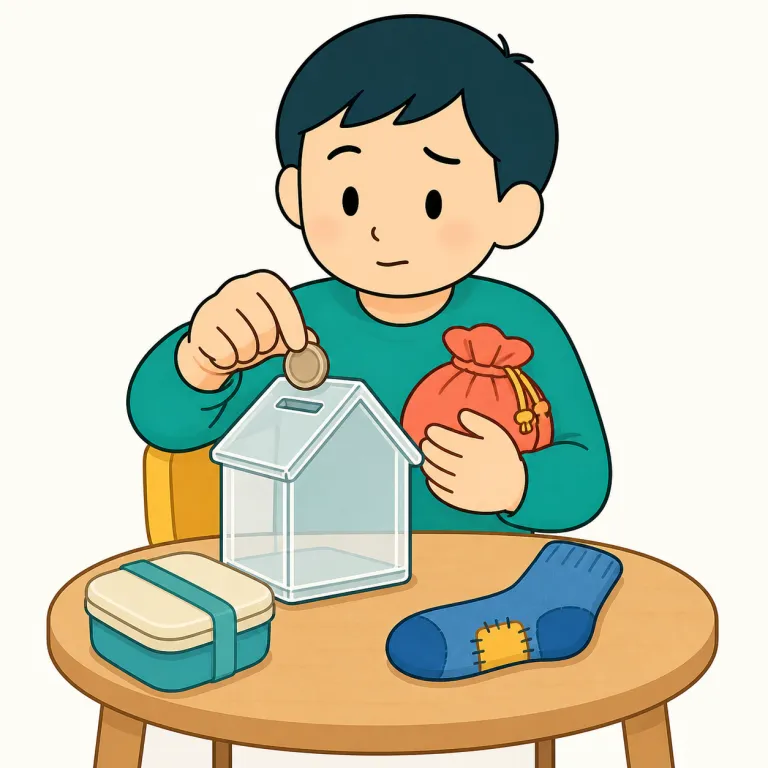
倹約は費用を控えめに使用し、浪費を避けることを意味します。節約と無駄のない生活を指します。
Parsimony means being very careful not to spend money or use more than is necessary. It often describes extreme economy or stinginess rather than simple good saving habits. The word is common in formal writing and can sound negative depending on context.
parsimony は「節約」の中でも、ただ無駄を省くというより、必要な場面でもお金を出したがらない響きが出やすい語。frugality が比較的ほめ言葉の「堅実な倹約」なのに対し、parsimony は文脈次第で「けち・出し惜しみ」寄りになる。形容詞 parsimonious も一緒に覚えると定着しやすい。public spending, budget, cost など金銭・支出の語と結び付け、parsimony in government spending のような硬めの使用場面で覚えると取り出しやすい。
Link it to the adjective `parsimonious`. Unlike `frugality`, which often sounds positive, `parsimony` can suggest saving too much or being unwilling to spend when needed. It often appears with money words like `spending`, `budget`, or `cost`.
The family practiced parsimony to save for a house.
その家族は家を購入する資金をためるために倹約していました。
His parsimony earned him a reputation as a miser.
彼は倹約ぶりから、けちだという評判が立ちました。
The company's parsimony in spending improved profit margins.
会社が支出を切り詰めたことで、利益率が改善しました。
文脈によって、次の意味でも使われます。
科学や哲学で、同じ程度に事実を説明できるなら、仮定や仕組みの少ない説明を選ぶという簡潔性の原則を指します。principle of parsimony や explanatory parsimony などの形で使われます。
parsimony はラテン語 parsimonia「節約・倹約」から来ており、さらに parcere「節約する・控える」にさかのぼります。-mony は状態を表す語尾で、『使いすぎず抑えること』が元の感覚なので意味が納得しやすく、関連語に parsimonious があります。
Parsimony comes from Latin parsimonia, meaning "thrift" or "frugality," from parcere, "to spare" or "use sparingly." The core idea is holding back instead of using too much. In English, it kept that sense of extreme economy; parsimonious is a related word.
この英単語をクイズで覚えよう