不利にする、割を食わせる
verb 動詞制度や条件が、特定の人や行動を他より不利な立場に置くことを表します。違反への処罰とは限らず、taxes penalize saving のように、結果として損をさせる場合にも使われます。
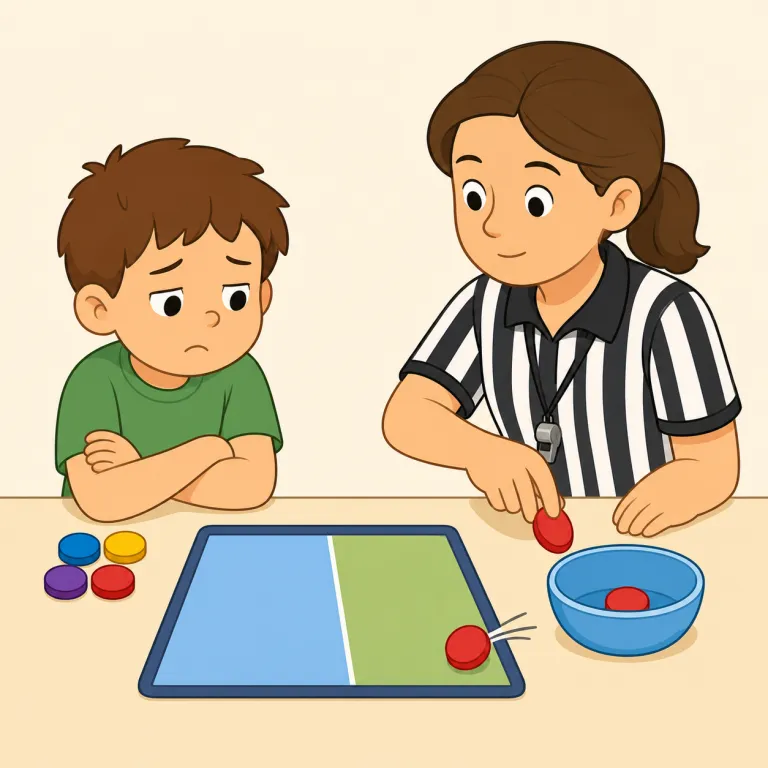
penalize はTOEIC 860レベルの英単語で、「罰する」という意味があります。発音記号は /ˈpiːnəlaɪz/ です。
「罰する、ペナルティを与える」という意味で、ルール違反や過ちに対して罰則を科すことを指します。スポーツ、法律、組織の規則など、様々な文脈で使用されます。
To penalize means to punish someone for breaking a rule or to put them at a disadvantage because of something they did. It is commonly used in law, sports, school, and official systems.
penalty(罰則)が分かれば覚えやすい語で、penalize は「ペナルティを与える」という感覚。-ize は「…にする」なので、相手を penalty の状態にするイメージで取れる。punish よりも、法律・規則・スポーツで違反に対して公式に不利益を科す場面で出やすい。penalize a player, penalize companies for violating rules, be penalized for late payment などの形でまとめて覚えると定着しやすい。
Connect `penalize` with `penalty`. If a penalty is the punishment, to penalize is to give that penalty. It often appears in official situations like sports, law, or rules, so phrases such as `penalize a player` or `be penalized for late payment` are useful memory anchors.
The referee decided to penalize the player for rough play during the match.
審判は試合中の荒いプレーに対して、その選手にペナルティを科すことにした。
The company was heavily penalized for violating environmental regulations.
その企業は環境規制に違反したため、重い罰則を科されました。
Students who submit late assignments may be penalized with a grade reduction.
課題の提出が遅れた学生は、減点される可能性があります。
文脈によって、次の意味でも使われます。
制度や条件が、特定の人や行動を他より不利な立場に置くことを表します。違反への処罰とは限らず、taxes penalize saving のように、結果として損をさせる場合にも使われます。
penalize は penal「刑罰の」+ -ize「…にする・施す」から成る語です。penal はラテン語 poena「罰・償い」にさかのぼり、フランス語経由で英語に入りました。つまり「罰を科す」がそのまま語の形に出ています。関連語は penalty、penal。
Penalize was formed in English from penal plus the verb ending -ize. Penal came through French from Latin poena, meaning "punishment" or "penalty." The word therefore meant, from the start, "to subject to a penalty," and it is closely related to penalty and penal.
この英単語をクイズで覚えよう