つけ込む、手痛い代償を払わせる
verb 動詞相手のミスや弱点を利用し、その相手に大きな不利益や敗北を与えることを表す。スポーツ記事などで punish a mistake や punish poor defending の形でよく使われ、規則違反への正式な処罰とは異なる。
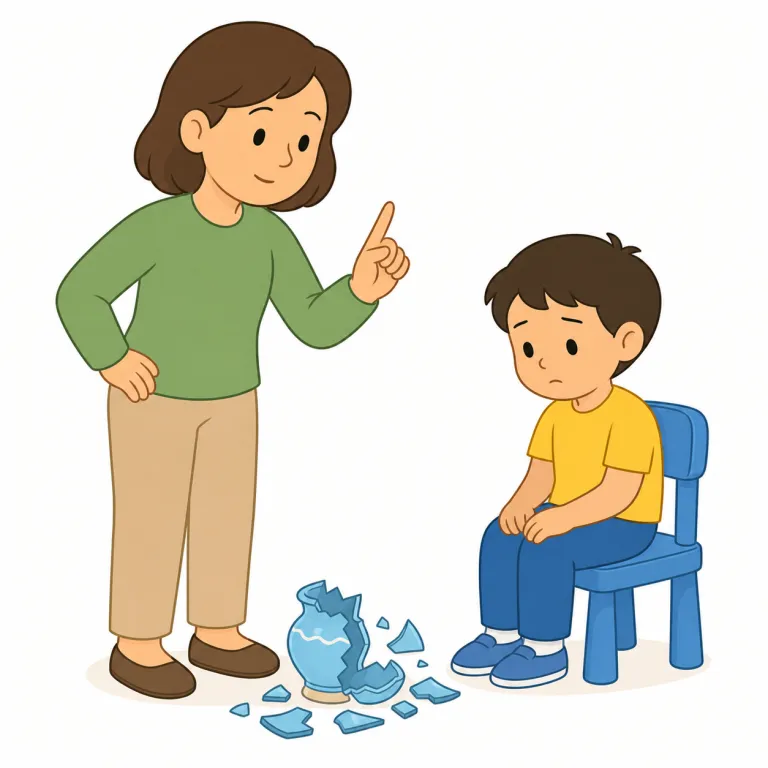
punish は英検準2級・TOEFL 60・IELTS 5.5レベルの英単語で、「罰する」という意味があります。発音記号は /ˈpʌnɪʃ/ です。
罰するとは、悪い行為や犯罪に対して罰を与えることです。法律や規則に違反した人に対して負の結果をもたらす行為を指します。
To punish means to make someone suffer a penalty because they did something wrong. It is commonly used for discipline by parents, schools, the law, or other authorities. The punishment may be physical, emotional, or official, depending on the situation.
punish は punishment(罰)、penalty(罰則)と同じ“罰”グループでまとめて覚えると定着しやすい語です。意味の核は、ただ怒るのではなく、悪い行為に対して実際に不利益を与えること。scold は口でしかるだけ、blame は責めるだけで、punish のほうが重い処分の響きがあります。punish A for B、punish crime、be punished by law など、法律・規則違反の場面とセットで覚えるとぶれません。revenge のような私的な仕返しとは違う点にも注意。
Group `punish` with related words like `punishment` and `penalty`. This word is stronger than `scold` or `blame` because it suggests a real consequence, not just words. Remember patterns like `punish someone for something` and `be punished by law`. It is also different from `revenge`, which is personal, while `punish` is often connected with rules or justice.
The judge will punish the criminal according to the law.
裁判官は法律に従って犯人を罰するでしょう。
The school decided to punish the students for cheating.
学校はカンニングした学生を罰することに決めました。
Parents sometimes punish their children to teach them lessons.
親は時々子どもに教訓を与えるために罰を与えます。
この語をはじめて出題された 35人 のうち 29人 が正解しました(83%)。
えいたんごクイズの回答から集計した独自データです。1人につき最初に出題されたときの1回だけを数えており、復習や2回目以降の回答、「わからない」と時間切れは含みません。 集計時点は 2026年9月19日 です。
文脈によって、次の意味でも使われます。
相手のミスや弱点を利用し、その相手に大きな不利益や敗北を与えることを表す。スポーツ記事などで punish a mistake や punish poor defending の形でよく使われ、規則違反への正式な処罰とは異なる。
punish は古フランス語 punir を経て、ラテン語 punire「罰する」に由来し、さらに poena「刑罰」、ギリシャ語 poinē「償い金」にさかのぼります。`penal` や `punitive` も同系で、「代償を負わせる」発想がそのまま罰する意味になりました。
Punish comes through Old French punir from Latin punire, "to punish." That Latin word is linked to poena, meaning "penalty" or "punishment," and to a Greek word for payment or recompense. Related English words include penal and punitive, and the original idea was making someone pay a penalty.
この英単語をクイズで覚えよう