
意味一覧 (2件)
いじめる
解説 Definition
特定の人を標的にしていじめたり、不当に批判したりすること。
Pick on means to treat someone unfairly again and again, often by teasing, criticizing, or bullying them. It is commonly used when a stronger person targets a weaker person. The phrase suggests repeated negative attention, not just one action.
覚え方のコツ Memory Tip
pick は「つつく・選んで取り上げる」の感覚、on は対象に向かって圧力が乗る感じ。pick on で「一人を選んで、その人に攻撃や批判を向け続ける」とまとめると残ります。bully と近いですが、殴るような露骨ないじめだけでなく、Why are you always picking on me? のように、同じ相手ばかり責める場面にも自然です。pick on younger kids, pick on someone for mistakes の形も一緒に覚えると使い分けしやすいです。pick up / pick out とは別物。
Remember "pick" as choosing one thing again and again. In this phrase, someone chooses one person as the target and keeps criticizing or bothering them. That is why it fits repeated teasing or unfair pressure, not just physical bullying.
例文
The older kids always pick on the younger ones at recess.
年上の子どもたちは休み時間にいつも年下の子をいじめる。
Stop picking on your little brother; it's not fair.
弟をいじめるのはやめなさい。不公平だよ。
She felt that the teacher was always picking on her in class.
彼女は授業中いつも先生に目をつけられていると感じた。
指名する
(意味 2)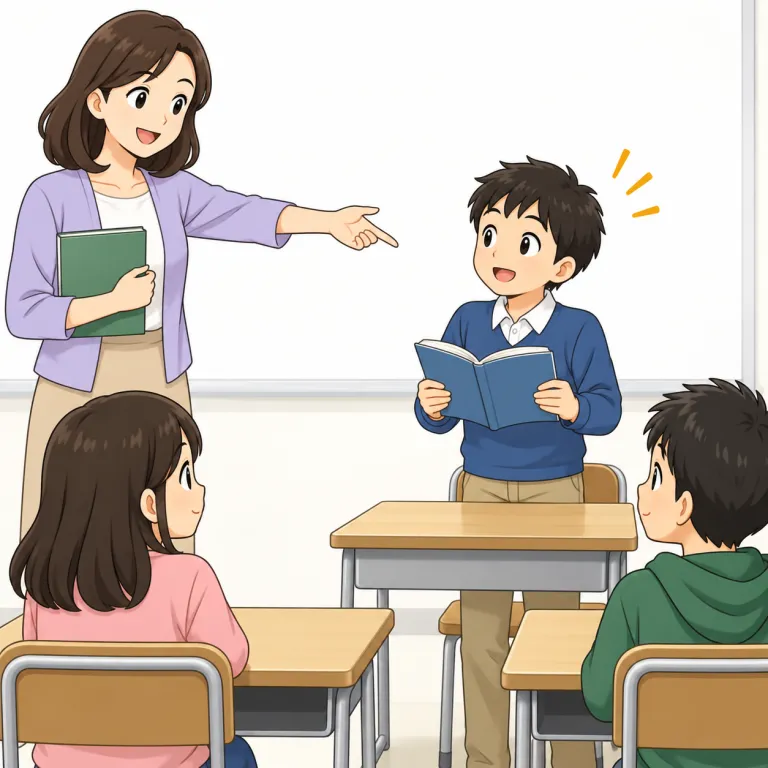
解説 Definition
「pick on」は、文脈によって「いじめる」「からかう」の意味がよく使われますが、人を選んで何かをさせるという意味で「指名する」とも使えます。授業や会議で、先生や司会者が特定の人を選んで答えさせるような場面に合います。
To do this is to single out a particular person from a group and ask them to answer, speak, or perform a task. The selection is often unexpected and may involve an unwanted or unpleasant task.
覚え方のコツ Memory Tip
pick は「選んで取り上げる」の感覚、on は対象に向かって順番や負荷が乗る感じ。pick on で「その場の中から一人を選んで、その人に答えさせる」とまとめると残ります。teacher picked on me のように、先生が生徒を名指しする場面で自然です。pick on には「いじめる」もありますが、この語義では質問・発言・役割のために一人を当てるだけで、攻撃し続ける意味ではないと切り分けると使いやすいです。call on と近い感覚で覚えると定着します。
Think of pick as choosing one person and on as directing attention or a task toward that person. In this sense, someone is singled out, often unexpectedly or unwillingly, but is not repeatedly bullied or teased.
例文
The teacher picked on me to read the next paragraph.
先生は次の段落を読むように私を指名しました。
The coach picked on me to demonstrate the first exercise.
コーチは最初の練習を実演するように私を指名しました。
During the discussion, the professor picked on several students to give their opinions.
討論中、教授は数人の学生を指名して意見を述べさせました。
pick on の類義語・関連語
類義語
紛らわしい語
pick on の語源・成り立ち Etymology
pick on の pick は古英語系の「つつく・つまみ取る」、on は対象に向かう感じを添える語です。もともと“一人を繰り返しつつく”イメージから「いじめる」「しつこく責める」となり、関連語に pick at、nitpick があります。
Pick is an old Germanic word connected with pecking, pricking, or choosing small things out, and on adds the sense of directing the action toward a target. The phrase first suggested repeatedly singling someone out, as if pecking at them again and again. That image led naturally to the meanings "to bully" or "to keep criticizing."
同じレベルの語彙をもっと
外部辞書で調べる
この英熟語をクイズで覚えよう