原生代
解説 Definition
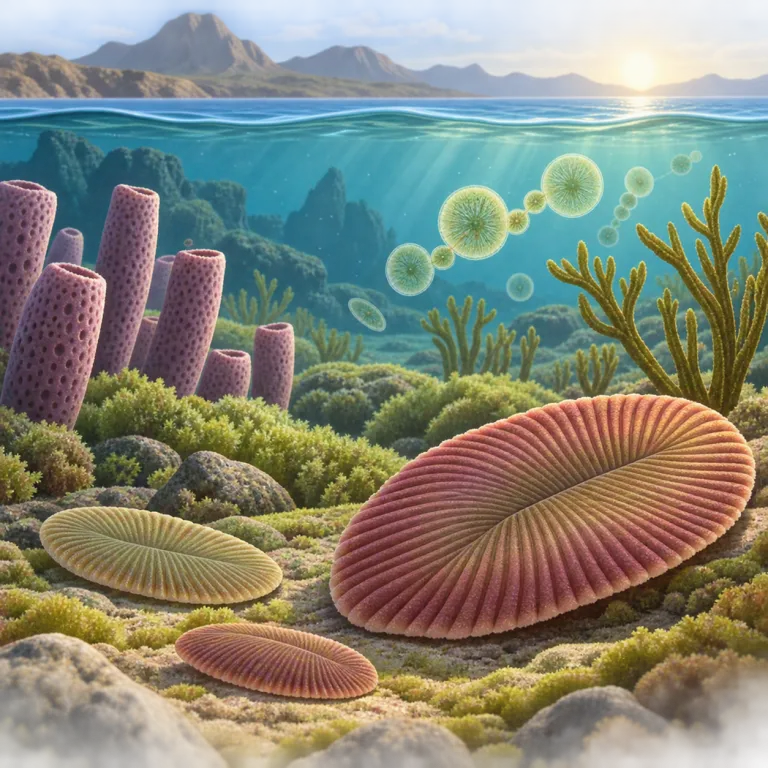
地球史において約25億年前から5億4100万年前までの地質学的大世代。複雑な生命形態の出現と進化が特徴である。原生代は三つの時代に分けられている。
The Proterozoic is a very long period in Earth's history before most complex plants and animals appeared. The term is used in geology and paleontology to talk about early life and ancient Earth conditions.
覚え方のコツ Memory Tip
`-zoic` は `Paleozoic / Mesozoic / Cenozoic` にも出る、地質時代名でよく見る語尾だとまとめて覚えると残りやすいです。`proterozoic` はその中でも「古生代 (`Paleozoic`) より前」に置かれる巨大なくくり、と時間軸で固定すると定着します。単語単体で暗記するより、「原生代→古生代→中生代→新生代」の並びで押さえるのが実用的。`protozoa`(原生動物)とは別語なので混同に注意。
Focus on the ending `-zoic`, which appears in time-period names like `Paleozoic`, `Mesozoic`, and `Cenozoic`. That tells you `Proterozoic` belongs to the same geology timeline family. It is easiest to remember as part of the sequence, not as a single isolated word.
例文
The Proterozoic is marked by the emergence of multicellular organisms.
原生代は多細胞生物の出現を特徴とする。
Fossils from the Proterozoic reveal early life forms.
原生代の化石から初期の生命形態が明らかになる。
Scientists study rocks from the Proterozoic to understand Earth's early history.
科学者は初期の地球史を理解するため、原生代の岩石を研究している。
proterozoic の類義語・関連語
類義語
proterozoic の語源・成り立ち Etymology
原生代の Proterozoic はギリシャ語 protero-『より前の』+ zoe『生命』に由来し、『先立つ生命の時代』が原義です。zoo や zoology も同じ zoe 系で、複雑な生命が本格化する前段階の時代だと分かる語です。
Proterozoic comes from Greek protero- meaning "earlier" or "former" and zoe meaning "life." The name was formed to describe an earlier age of life. Its meaning reflects a time before later, more complex life became widespread. Related words include zoology and zoo.
同じレベルの語彙をもっと
外部辞書で調べる
この英単語をクイズで覚えよう