気づいた、実現した
解説 Definition
realised は realise(気づく、実現する)の過去形・過去分詞です。最も一般的には、事実や間違いなどに「気づいた、悟った」という意味で、realised that ... の形でもよく使います。また、夢や計画などを「実現した」という意味もあります。主にイギリス英語のつづりで、アメリカ英語では realized が一般的です。
The British spelling of the past tense and past participle of realise. It most commonly means “became aware of or understood something,” often in realised that ... or realised a mistake. It can also mean that a dream, plan, or intended result was made real.
覚え方のコツ Memory Tip
realise「気づく、実現する」の過去形・過去分詞で、語末の e を落として -ed を付けた英国式の形です。-ed は /d/ と発音します。realised that ... や realised a mistake なら「気づいた」、a dream was realised なら「実現した」と文脈で区別します。
Realised is the British spelling of the past tense and past participle of realise: drop the final e and add -ed, pronounced /d/. Use the context to distinguish its senses. Realised that ... or realised a mistake usually means “became aware,” while a dream or plan was realised means that it became real. American English usually uses realized.
例文
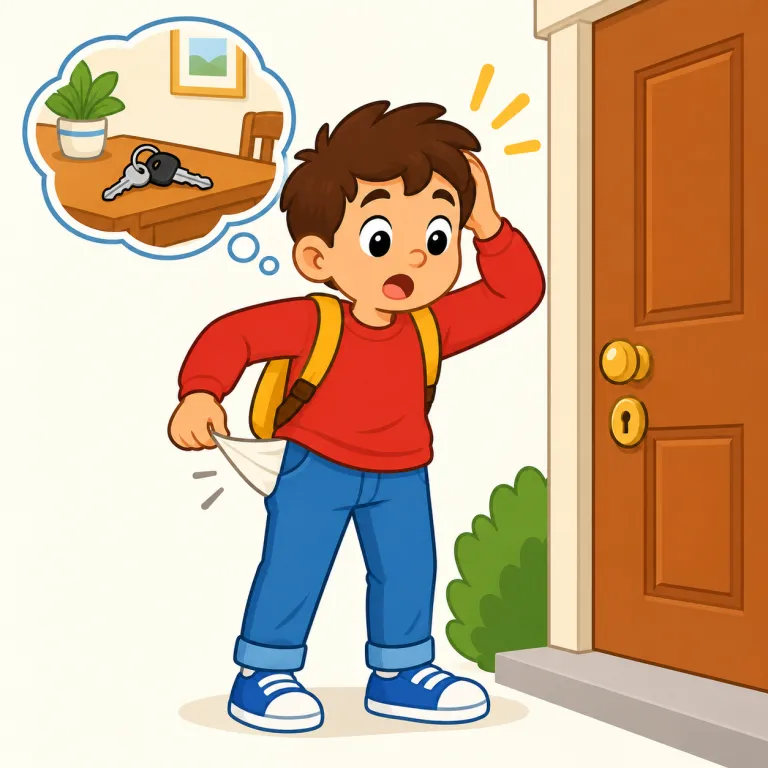
I realised that I had left my keys at home.
私は鍵を家に置き忘れたことに気づきました。
She suddenly realised her mistake.
彼女は突然、自分の間違いに気づきました。
Her dream was realised after many years of work.
長年の努力の末、彼女の夢は実現しました。
realised の類義語・関連語
類義語
対義語
紛らわしい語
realised の語源・成り立ち Etymology
古フランス語 réaliser から。ラテン語 realis(実際の)← res(物、事)に由来し、「物事を現実のものにする」が原義。接尾辞 -ise は動詞化を示す。関連語: real(現実の)、reality(現実)。抽象的な考えを「物(res)として存在させる」→「実現する・気づく」の両義が生まれた。
Realised is the past and past-participle form of realise. Realise developed through French réaliser and is built on real, ultimately from Latin realis, “actual,” derived from res, “thing.” The verb-forming element -ise carries the sense of making or becoming. In the present meaning, to realise a plan or dream is literally to make it real; realised marks that completed change.
同じレベルの語彙をもっと
外部辞書で調べる
この英単語をクイズで覚えよう