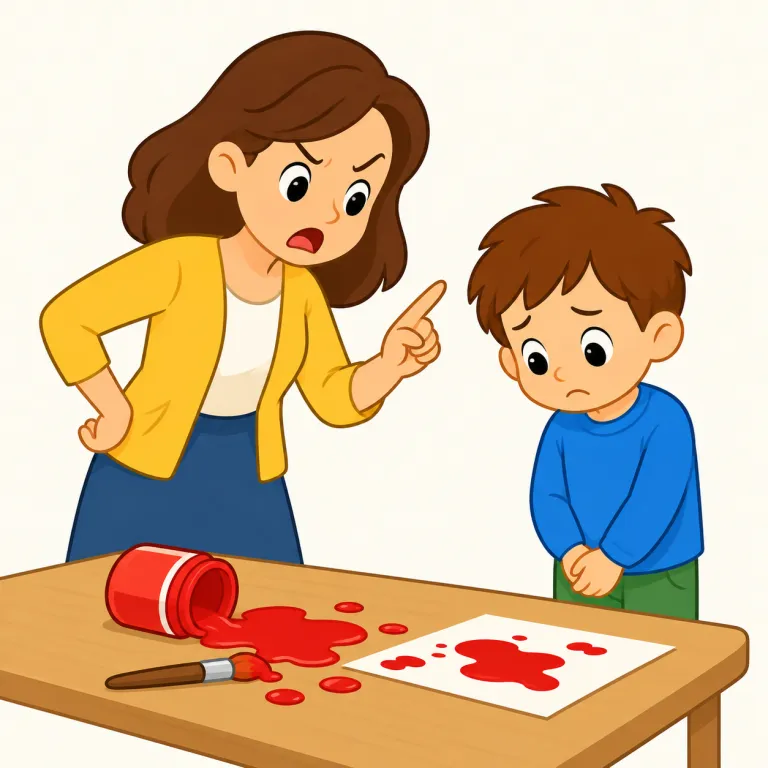
叱責された
解説 Definition
rebuke「叱責する」の過去形・過去分詞で、不適切な行為を強く非難したり叱ったりすることを表します。受け身では「叱責された」という意味になります。
The past tense and past participle of “rebuke,” meaning criticized or reprimanded someone sharply and seriously for improper behavior. In passive constructions, it indicates that a person received a firm, often formal expression of disapproval.
使い方 Usage
使い分け Common distinctions
- scolded より硬い響きがあり、深刻な問題行動への非難や、公的な場での叱責に使われることがあります。 Rebuked often sounds more formal than scolded and may describe condemnation of serious misconduct or a public reprimand.
覚え方のコツ Memory Tip
rebuke の語末 e に -d を加えた形です。発音は /rɪˈbjuːkt/ で、語尾は /t/。権限のある人が問題行動を厳しく叱る場面を思い浮かべましょう。
Add -d to rebuke, keeping its final e. The pronunciation is /rɪˈbjuːkt/, with a final /t/. Picture someone in authority firmly condemning improper behavior.
例文
The student was rebuked for cheating on the test.
その学生は試験で不正をしたことで叱責されました。
He was publicly rebuked by the committee.
彼は委員会から公に叱責されました。
The officer rebuked the driver for ignoring the warning.
警官は警告を無視したことで運転手を叱責しました。
rebuked の類義語・関連語
rebuked の語源・成り立ち Etymology
Rebukeは古フランス語rebuchier(押し戻す、切り倒す)に由来し、re-(戻す)+buschier(打つ、薪を割る)が語源。力で押し返すイメージから「厳しく叱る」意味に発展した。関連語:rebuke(叱責)、reprove(非難する)。
Rebuked is the regular past and past-participle form of rebuke. Rebuke entered English through Anglo-French forms such as rebuker or Old French rebuchier, whose earlier senses included beating or driving back. That physical image developed into the figurative sense of checking someone forcefully through severe criticism. The deeper formation of the French word is not entirely certain, so its apparent parts should be treated cautiously.
同じレベルの語彙をもっと
外部辞書で調べる
この英単語をクイズで覚えよう