意味一覧 (2件)
叱責する
解説 Definition
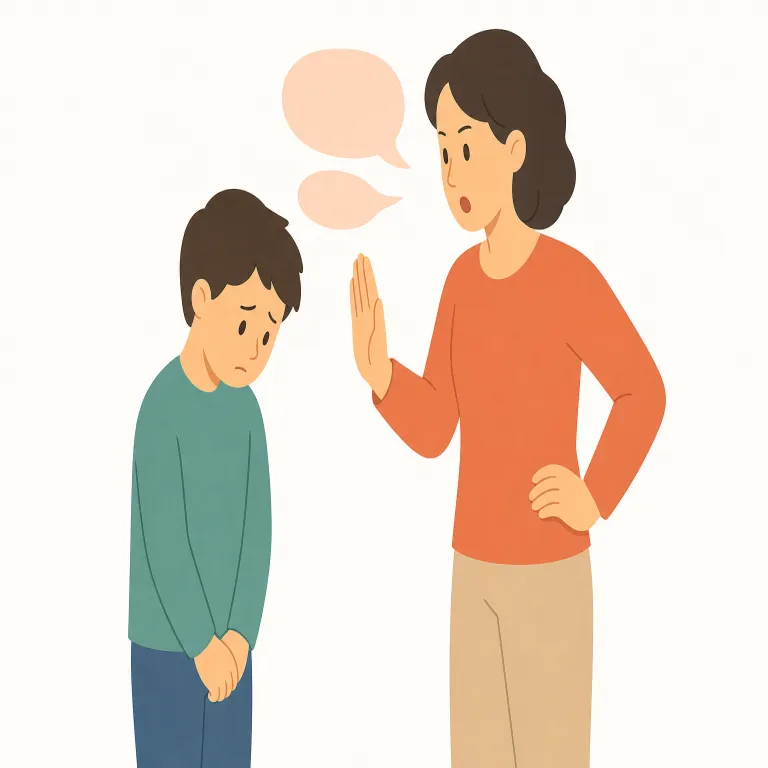
rebuke は、相手の過失や無分別な発言を面と向かって厳しくたしなめる動詞です。単なる不満表明ではなく、権威や道徳的立場から「それは誤りだ」と正す場面に向きます。会議・授業・公的声明など、改まった文脈で響きます。
To rebuke someone is to speak to them in a strong and direct way because they have done something wrong or said something foolish. It is stronger and more formal than simply showing annoyance. The word is often used when a person in authority, or someone with a clear moral position, corrects another person in a meeting, class, or public setting.
覚え方のコツ Memory Tip
動詞の rebuke は「相手にブレーキをかける強い言葉」とイメージすると定着します。怒りをぶつけるだけでなく、誤った判断・失礼な発言・規則違反をその場で止める感じです。blame が責任追及に寄るのに対し、rebuke は発言そのものが戒めになる語。rebuke a minister, rebuke him for lying のように、人を目的語に取り、for で理由を添える形が自然です。
Think of rebuke as using strong words to put a brake on someone's bad action or wrong remark. It is not just anger or blame. A rebuke is meant to stop the behavior and correct it on the spot. It often takes a person as the object, and you can add the reason with for, as in rebuke him for lying.
例文
The teacher rebuked the student for speaking rudely in class.
先生は授業中に失礼な発言をした生徒を叱責した。
She publicly rebuked the minister for misleading the public.
彼女は国民を誤解させたとしてその大臣を公に叱責した。
He was rebuked by his manager after ignoring the safety rules.
彼は安全規則を無視したあと、上司から叱責された。
叱責
(意味 2)解説 Definition
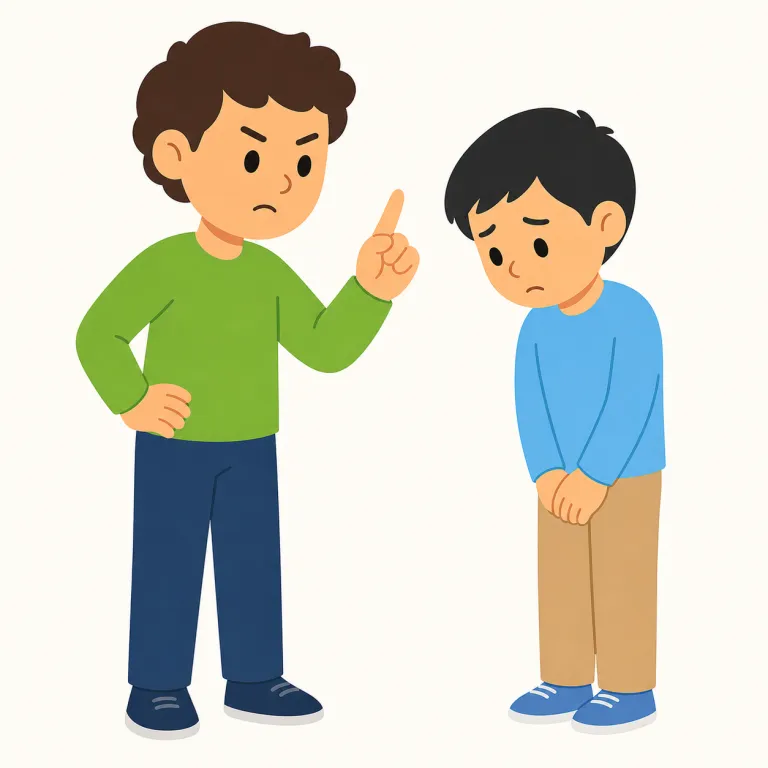
名詞 rebuke は、過ちを指摘して相手を戒める厳しい一言・処分・公的な非難を指します。発話そのものや、それを受けた出来事に焦点があり、a rebuke from a supervisor のように「叱責を受ける」名詞句で使われます。
A rebuke is a strong expression of disapproval or criticism. It is used when someone is told firmly that their behavior or action was wrong. The word is more formal and stronger than a simple complaint.
覚え方のコツ Memory Tip
名詞では「叱る行為」よりも、相手に残るきっぱりした戒めの言葉や公式な非難として覚えると使い分けやすいです。a sharp rebuke なら短く鋭い叱責、a public rebuke なら公の場での非難、a diplomatic rebuke なら政府間の抗議に近い響きです。動詞 rebuke が「叱責する」という動作を表すのに対し、名詞 rebuke はその発言・評価・処分のまとまりを表します。
Notice the strong `re-` sound and think of answering back sharply. `Rebuke` is stronger and more formal than simple criticism. Phrases like `a sharp rebuke` or `a public rebuke` help fix the tone in memory.
例文
The teacher's sharp rebuke silenced the misbehaving students.
その教師の厳しい非難は悪い行動をしていた学生たちを沈黙させた。
His rebuke of the company's unethical practices was widely praised.
その企業の非倫理的な慣行に対する彼の非難は広く賞賛された。
She received a rebuke from her supervisor for missing the deadline.
彼女は期限を逃したことで上司から非難を受けた。
rebuke の語源・成り立ち Etymology
中英語 rebuken はアングロ・フランス語 rebuker に由来。re-「後ろへ」と「打つ」系の語根から、もとは「押し返す」、後に言葉で強く戒める意味になりました。
Rebuke comes from Middle English rebuken, from Anglo-French rebuker. It is linked to the idea of striking or driving something back. The meaning later developed from pushing back physically to correcting someone sharply with words.
外部辞書で調べる
この単語を英単語クイズで覚えよう