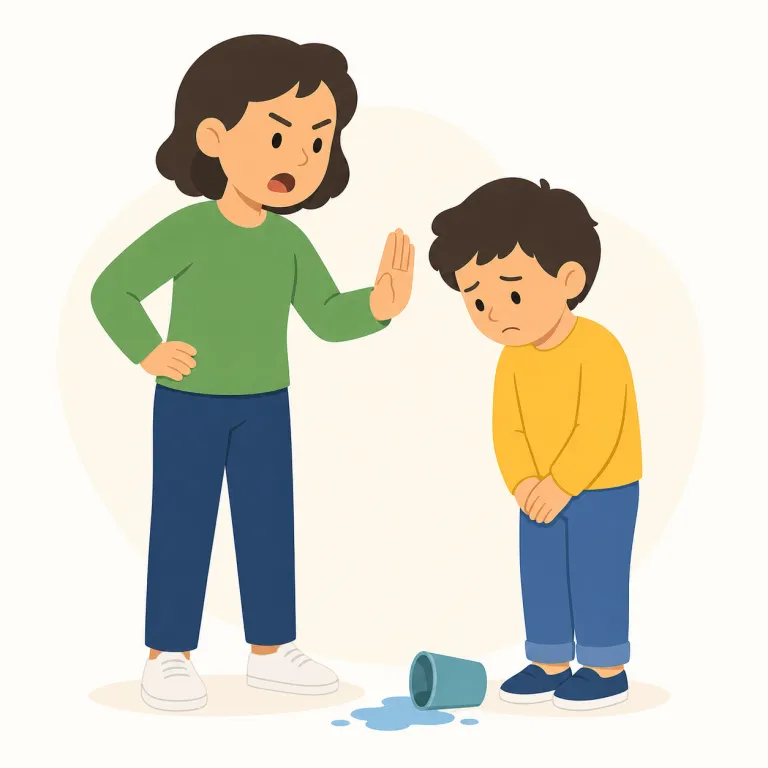
叱責する
解説 Definition
厳しく責める、叱責するという意味です。言葉で誰かを強く非難し、過ちや不適切な行動を指摘することを表します。
Rebuking means speaking to someone angrily or seriously because they have done something wrong. It is used when someone is criticizing or correcting another person, often in a formal or strong way. The tone is usually sharper than simple advice.
覚え方のコツ Memory Tip
rebukingはまず基礎形rebukeで覚えるとよい。日常のscoldよりやや硬く、ただ怒るのでなく「相手の行動を非難して正す」感じ。親・教師・上司・政府など、立場のある側が公に厳しく注意する場面を思い浮かべると残りやすい。publicly rebuke, sharply rebuke, rebuke him for lying などと結び付けると実戦的。rebuff(拒絶する)とは似て見えて別語で、rebukeはあくまで言葉で叱る。
Learn the base form `rebuke` first. It is stronger and more formal than `scold`, and it often appears when a parent, teacher, boss, or government speaks sharply. Think of common patterns like `publicly rebuke` or `rebuke him for lying`. Also be careful not to confuse it with `rebuff`, which means reject, not criticize.
例文
The teacher was rebuking the students for their poor performance on the exam.
先生は試験での悪い成績について生徒を叱責していました。
His manager was rebuking him for missing the deadline.
彼のマネージャーはデッドラインを逃したことで彼を叱責していました。
Her mother was rebuking her for staying out too late.
彼女の母は彼女が遅くまで出かけていたことを叱責していました。
rebuking の類義語・関連語
類義語
対義語
派生語
紛らわしい語
rebuking の語源・成り立ち Etymology
rebuking は re-「逆らって・後ろへ」+ 古フランス語 rebuker 由来で、さらに「打つ・たたく」感覚の語根にさかのぼります。もとは「打ち返す・押し戻す」で、そこから相手の言動を言葉で強く退ける、つまり「叱責する」になりました。
Rebuking comes from rebuke, which English borrowed from Old French rebuker. The word is thought to contain re- and an old root with the sense of striking, beating back, or driving away. From the physical idea of pushing back, the meaning developed into strongly rejecting someone in words.
同じレベルの語彙をもっと
外部辞書で調べる
この英単語をクイズで覚えよう