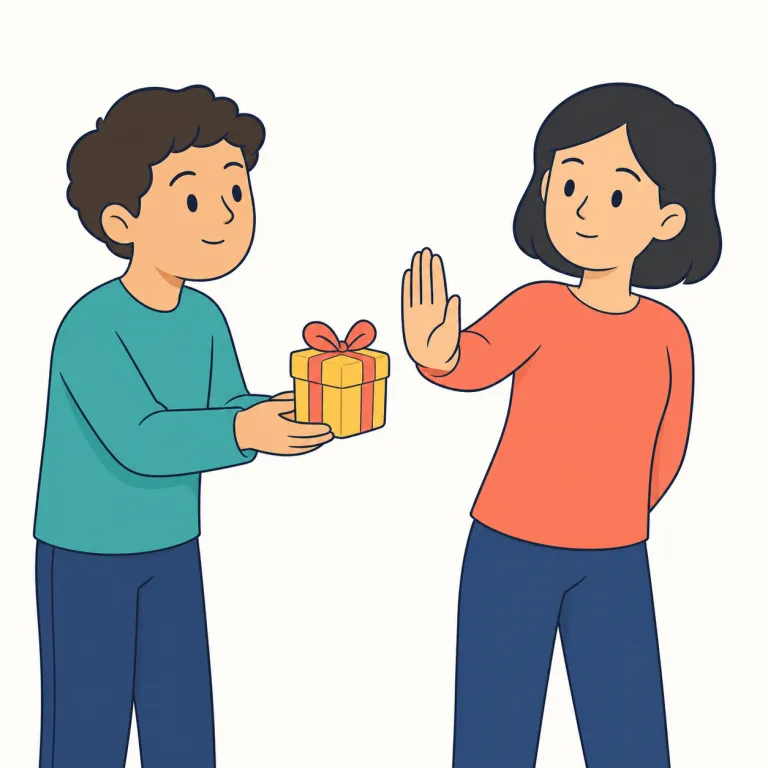
rebuff
rebuff は英検1級・TOEIC 990・TOEFL 100・IELTS 7.5レベルの英単語で、「拒否する」という意味があります。発音記号は /rɪˈbʌf/ です。
拒否する
解説 Definition
申し出や要求をきっぱりと断ること。冷たく拒絶する行為。
To rebuff someone is to refuse or reject them in a firm, often unfriendly way. It is commonly used when an offer, request, suggestion, or friendly approach is pushed away clearly.
覚え方のコツ Memory Tip
re- を「back/戻す」で捉えると、rebuff は相手の申し出や接近をそのまま突き返す感じで覚えやすい。refuse が単に断る、reject が判断として退けるのに対し、rebuff は人に対して冷たくきっぱりはねつける響きが強い。rebuff an offer, rebuff his advances のように、提案や好意を面前で押し返す場面と結びつけると残る。rebut とつづりが少し似るが、rebut は反論する、rebuff は拒絶する。
Think of `re-` as "back" and imagine pushing someone's offer back at them. `rebuff` is stronger and colder than `refuse` or `reject`, and it often appears with people: `rebuff an offer`, `rebuff his advances`. Do not mix it up with `rebut`, which is about arguing back, not turning someone away.
例文
The committee voted to rebuff the developer's proposal to build a shopping mall in the park.
委員会は公園にショッピングモールを建設するという開発業者の提案を拒否することを決議した。
She tried to rebuff his persistent advances, but he refused to take no for an answer.
彼女は彼のしつこいアプローチを拒絶しようとしたが、彼は断られても引き下がらなかった。
The opposing delegation sharply rebuffed the diplomat's attempt at negotiation.
相手側の代表団は、外交官の交渉の試みをきっぱりと拒否した。
rebuff の類義語・関連語
rebuff の語源・成り立ち Etymology
中期フランス語 rebuffer、さらに古イタリア語 ribuffare「きつくはね返す・しかる」に由来します。re-/ri-「後ろへ、返して」+ buffo「ぷっと吹き返すような勢い」のイメージで、相手を前で押し返す感覚から「拒否する」になりました。関連語は rebuke, buffet。
Rebuff came into English from French, from a verb meaning "to beat back" or "drive back." Its earlier form suggests the idea of pushing something away with force, almost like a burst or blow. From that physical image, the word developed the sense of rejecting or turning someone away sharply.
同じレベルの英単語をもっと
英検1級の一覧へ →外部辞書で調べる
この単語を英単語クイズで覚えよう