短く先が上向きの
adjective 形容詞鼻が短く、先端がやや上を向いている形を表し、主にsnub noseの形で名詞の前に置かれます。人を故意に無視したり冷遇したりする動詞の語義とは異なる、外見上の特徴を示す用法です。
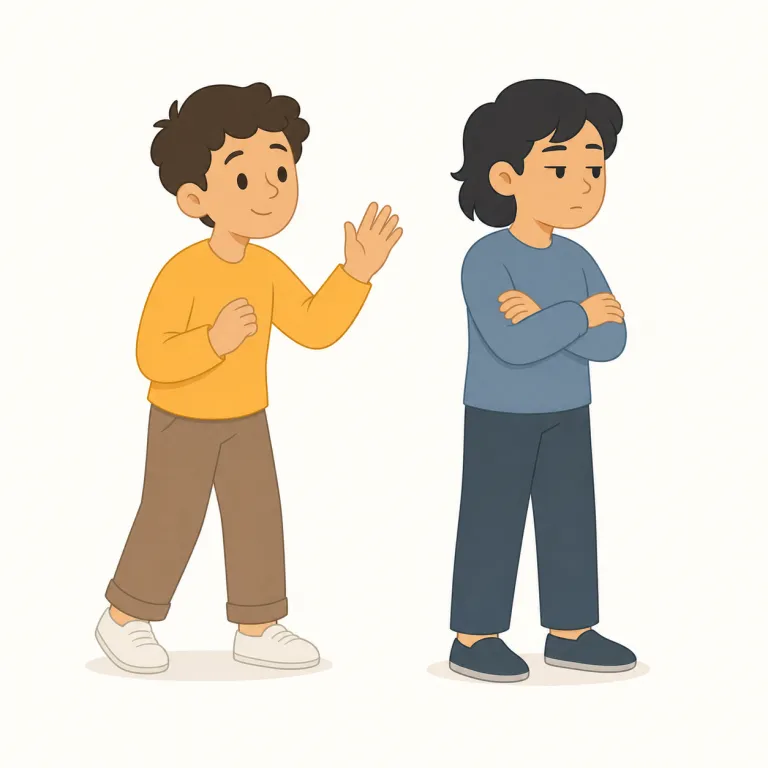
誰かを軽んじてわざと無視したり、存在を否定するような態度を取る動詞です。相手の挨拶や提案をまともに取り合わず、距離を置く冷淡さを強調します。人間関係で礼儀を欠いて相手を突き放すようなニュアンスで使います。
To snub someone means to ignore them on purpose or treat them as unimportant or not worthy of attention. It is often used in social, political, or public situations, and it suggests deliberate disrespect rather than simple forgetfulness.
snub はただの ignore より冷たく、相手を下に見て意図的に無視する語として覚えると残りやすいです。招待・提案・挨拶を "まともに受けずにはねつける" 場面が典型で、snub an invitation, snub a colleague のように使えます。人ではなく行為を単に見落とすのでなく、態度で相手を遠ざける点が核心です。slight や insult に近いが、言葉で攻撃するより『露骨によそよそしい』感じを持つ語です。
Remember `snub` as colder than `ignore`. It is the kind of ignoring that shows attitude, like refusing to greet someone or brushing off an invitation. Think of common pairs like `snub an invitation` or `snub a colleague`.
She felt snubbed when he ignored her greeting.
彼が挨拶を無視したとき、彼女は冷たくあしらわれたと感じました。
The committee decided to snub the controversial proposal.
委員会は物議を醸している提案を無視することにしました。
Don't snub your old friends when you become successful.
成功しても、昔からの友人を冷たくあしらってはいけません。
文脈によって、次の意味でも使われます。
鼻が短く、先端がやや上を向いている形を表し、主にsnub noseの形で名詞の前に置かれます。人を故意に無視したり冷遇したりする動詞の語義とは異なる、外見上の特徴を示す用法です。
snubは北欧系ゲルマン語にさかのぼるとされ、「短く切る・出鼻をくじく」感覚をもつ語群に結びつけられる。snub-nosedやstubと近い仲間で、『相手を途中で切って短く扱う』ところから、無視する・冷遇する意味が育った。
Snub is probably from a Scandinavian or other North Germanic source, linked to words meaning "cut short" or "check suddenly." It is related in feeling to English words like stub and snub-nosed, which suggest something shortened or blunt. From the idea of stopping someone short, it came to mean treating a person coldly or dismissively.
この英単語をクイズで覚えよう