stub
stub は英検1級レベルの英単語で、「半券、短い残り、吸い殻」という意味があります。発音記号は /stʌb/ です。
意味一覧 (3件)
半券
解説 Definition
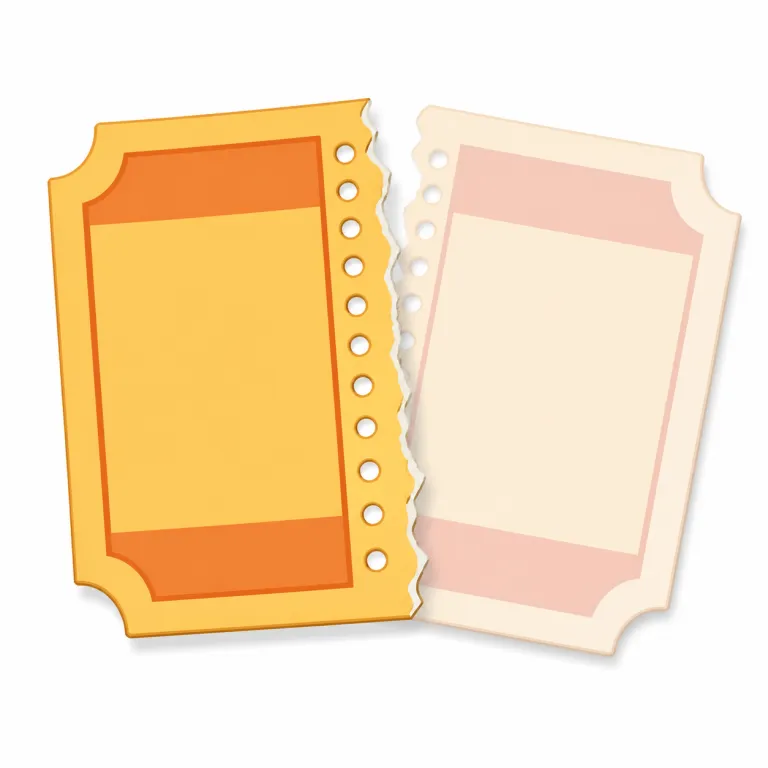
紙や切符などの一部を使用後に残す部分。チケットやレシートの控えの部分を指します。
A stub is a small remaining part of something after most of it has been used, cut off, or removed. It can also mean the small part of a ticket that is kept after the main part is torn away, so the meaning depends on the situation.
覚え方のコツ Memory Tip
stub は「途中で切れて、短く残った部分」という核イメージで覚える。stubby(ずんぐりした)や ticket stub / pay stub のように、「本体を使った後に残る端」へ意味が広がると整理しやすい。木なら地面に残る切り株、紙ならもぎった後の半券、たばこなら吸い殻の残り。共通するのは「全部ではなく、短く残ったかけら」。stump も切り株系だが、stub はより「短く突き出た残り」に意識を置くと区別しやすい。
Remember one core image: a short piece left after the rest is gone. That is why we say `ticket stub`, `pay stub`, or even a tree `stub`. It is not the whole thing, just the small remaining part.
例文
Keep the stub of your ticket in case you need a refund.
払い戻しが必要な場合に備えてチケットの控えを保管してください。
She wrote down her notes on the back of a check stub.
彼女は小切手の控えの裏にメモを書きました。
After the raffle, she kept the stub as proof she had entered.
抽選の後、彼女は参加したことを示す証明として半券を取っておきました。
短い残り
(意味 2)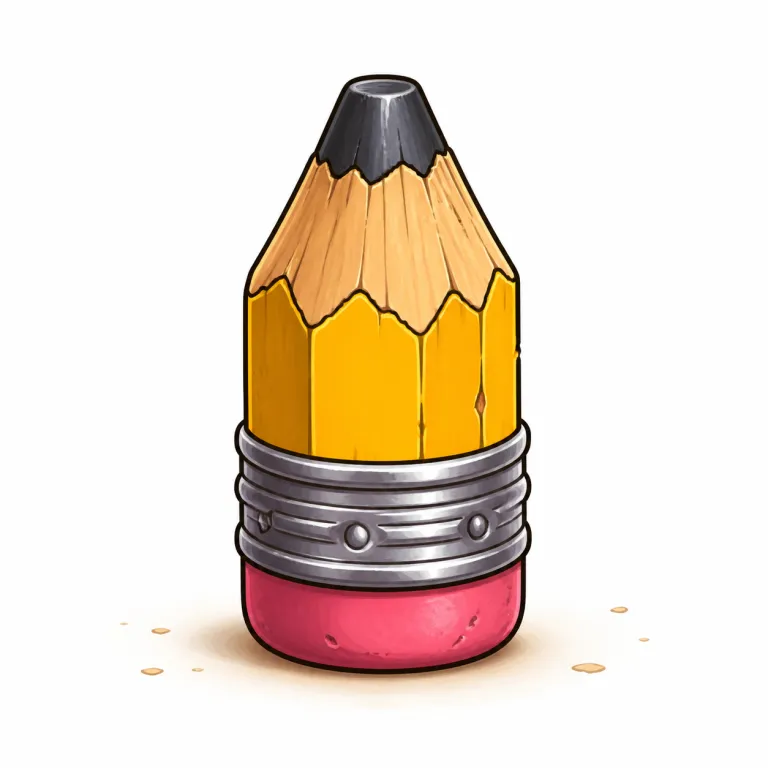
解説 Definition
stub は、何かの大部分が使われたり切り取られたりしたあとに残る、短く小さな部分を指す名詞です。鉛筆・ろうそく・ひもなど、細長い物の残りについて言うことが多く、まだ使えるがごくわずかしか残っていない感じがあります。単なる一部ではなく、最後に少しだけ残った端を表します。
This noun refers to the short, small end of a long object that remains after most of it has been used or removed. It is often used for the last bit of a pencil, candle, or similar object.
例文
He wrote the note with a pencil stub.
彼は短くなった鉛筆でそのメモを書いた。
Only a candle stub was left after the blackout.
停電のあとには短くなったろうそくしか残っていなかった。
She found a pencil stub in the toolbox.
彼女は工具箱の中に短くなった鉛筆を見つけた。
吸い殻
(意味 3)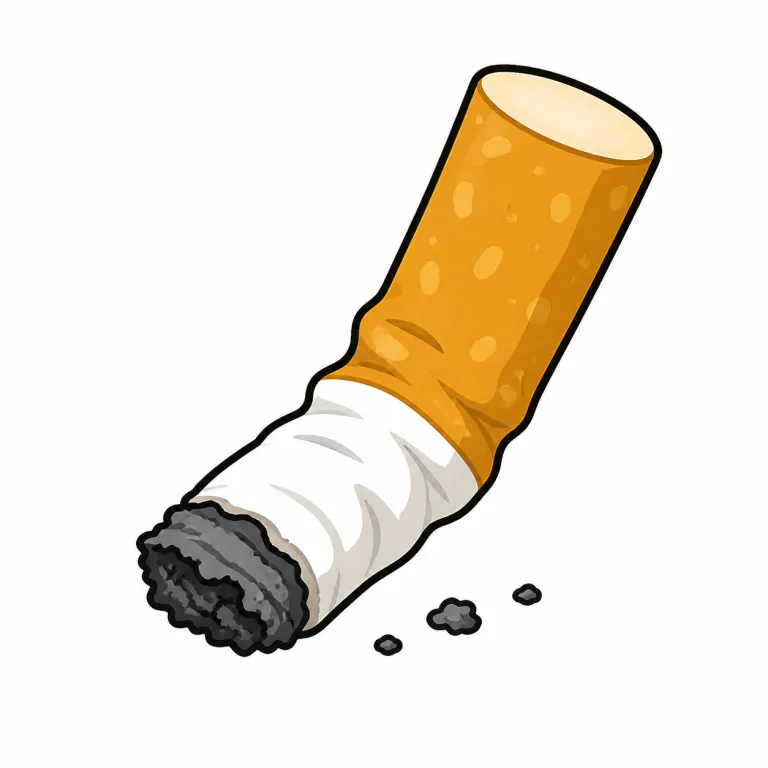
解説 Definition
stub は、吸い終わったあとに少しだけ残ったたばこを指して使われる名詞です。特に英語では、灰皿の中や路上に落ちている吸い殻を表すときによく用いられます。日常会話や注意書きで見かける、かなり具体的な言い方です。
This noun refers to the short piece of a cigarette left after most of it has been smoked. It is often used for cigarette remains found in an ashtray or discarded on the ground.
例文
The ashtray was full of cigarette stubs.
灰皿はたばこの吸い殻でいっぱいだった。
He crushed the stub under his shoe.
彼は吸い殻を靴で踏み消した。
Please do not leave cigarette stubs on the ground.
地面にたばこの吸い殻を捨てないでください。
stub の類義語・関連語
stub の語源・成り立ち Etymology
stub は古英語 stybb / stubb「木の切り株・短く突き出たもの」に由来するゲルマン系の語です。stump や stubby と近い仲間で、「途中でぷつりと切れて残った短い部分」という感覚が、切り株にも半券にも共通していると見える語です。
Stub comes from Old English stybb or stubb, meaning a tree stump or short thick piece left after cutting. It belongs to an old Germanic family of words about something short, cut off, or sticking out. From that image, the meaning grew to include any small remaining piece. Related English words include stump and stubby.
同じレベルの語彙をもっと
英検1級の一覧へ →外部辞書で調べる
この英単語をクイズで覚えよう