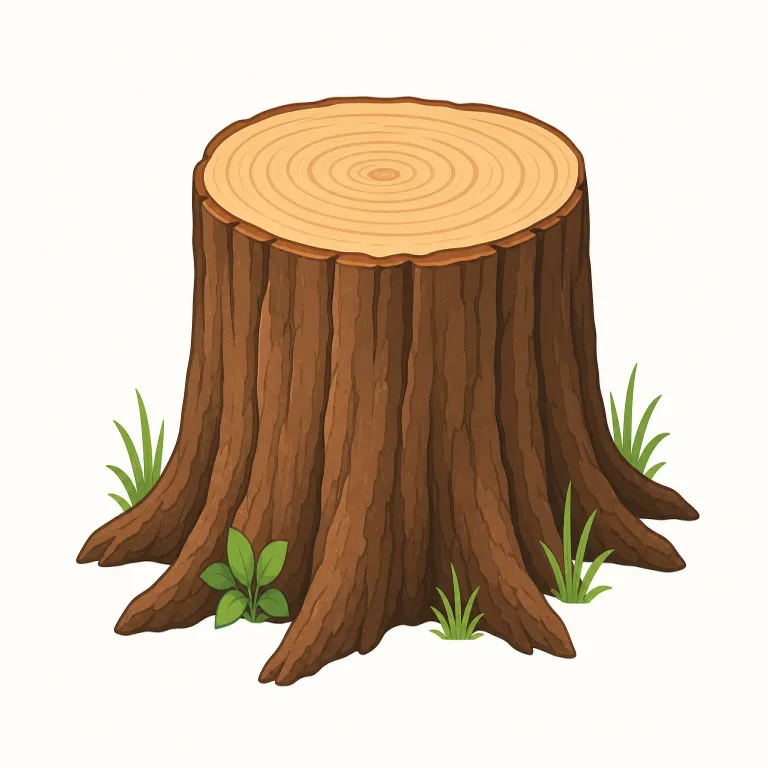
stump
stump は英検準1級レベルの英単語で、「切り株、困らせる」という意味があります。発音記号は /stʌmp/ です。
意味一覧 (2件)
切り株
解説 Definition
木を切り倒したあとに地面に残る、幹の根元の部分を指す名詞。森や庭で見かける木の残りで、腰掛けや目印になることもある。日常会話では、実際の木の切り株そのものを表すときに使う。
A stump is the part of a tree that remains in the ground after the tree has been cut down. It can also mean a short remaining part of something that has been broken off or removed.
覚え方のコツ Memory Tip
stump は、stub(短い突起)や stumpy(ずんぐりした)と並べて、「途中で切れて短く残ったもの」という形のイメージで覚えると定着しやすいです。木の話では tree stump が頻出で、伐採後に地面に残る根元部分を指します。trunk はまだ立っている木の幹、log は切って運べる丸太なので、stump は“地面に残っている”点が重要です。庭や森で腰掛けや障害物になる場面まで思い浮かべると、単なる訳語より記憶に残ります。
Connect `stump` with short words like `stub` and `stumpy`. They all suggest something cut off and left short. A `tree stump` is the part that stays in the ground, unlike a `log`, which can be carried away.
例文
The children played on the old tree stump in the garden.
子どもたちは庭の古い切り株の上で遊んだ。
After the forest fire, only charred stumps remained.
山火事の後、焼け焦げた切り株だけが残った。
We sat on a stump and ate our lunch.
私たちは切り株に腰掛けて昼食を食べた。
えいたんごクイズでの正答率
この語をはじめて出題された 38人 のうち 33人 が正解しました(87%)。
えいたんごクイズの回答から集計した独自データです。1人につき最初に出題されたときの1回だけを数えており、復習や2回目以降の回答、「わからない」と時間切れは含みません。 集計時点は 2026年9月19日 です。
困らせる
(意味 2)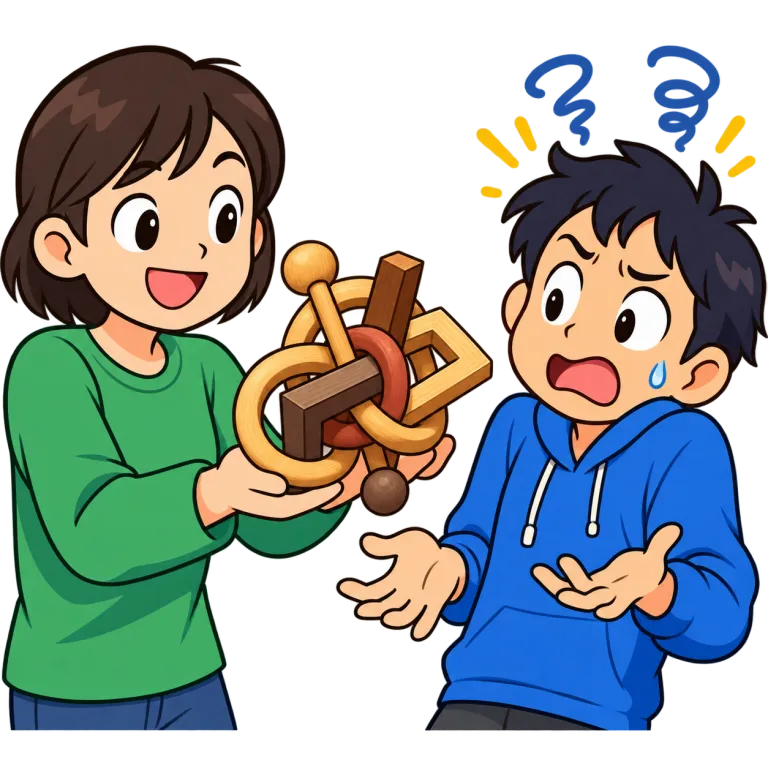
解説 Definition
人を答えに詰まらせたり、どう考えても解決法が見つからず途方に暮れさせたりするときに使う。質問・なぞなぞ・難問・予想外の事態などが相手の理解や判断を止める場面でよく用いられ、知識不足というより手が出ない感じを含む。
To leave someone unable to answer a question or find a solution, even after thinking about it. Difficult puzzles, unexpected questions, and unexplained problems can have this effect.
覚え方のコツ Memory Tip
stump は「切り株で行き止まりになる」イメージから覚えると、動詞の「困らせる」にもつながります。難問や突然の質問が目の前に切り株のように立ちはだかり、先へ進めず答えに詰まる感じです。The question stumped me. なら「その質問に足止めされて困った」。名詞の tree stump は切り株ですが、この行では物ではなく、考えや返答を止めてしまう動作として切り分けると使いやすいです。
As a memory image, picture a tree stump blocking the path of your thoughts. A difficult question can stump you by leaving you unable to move forward toward an answer.
例文
The last question on the test stumped a lot of students.
テストの最後の問題は多くの生徒を困らせた。
Her sudden question completely stumped me.
彼女の突然の質問に私はすっかり答えに詰まった。
Even the experts were stumped by the cause of the error.
そのエラーの原因には専門家でさえ頭を抱えた。
stump の類義語・関連語
類義語
stump の語源・成り立ち Etymology
中英語 stumpe からで、低地ドイツ語・オランダ語系の「切り残し、鈍いもの」に通じるゲルマン語系の語です。木を切ったあと地面に残る短くずんぐりした部分が原義なので、stump が「切り株」になるのは自然です。関連語は stub、stumpy。
Stump comes from Middle English `stumpe`, related to Dutch and Low German words for something cut short or blunt. Its earliest sense was a thick, shortened piece left behind after cutting. That is how it came to mean the base of a tree left in the ground; related English words include `stub` and `stumpy`.
同じレベルの語彙をもっと
英検準1級の一覧へ →外部辞書で調べる
この英単語をクイズで覚えよう