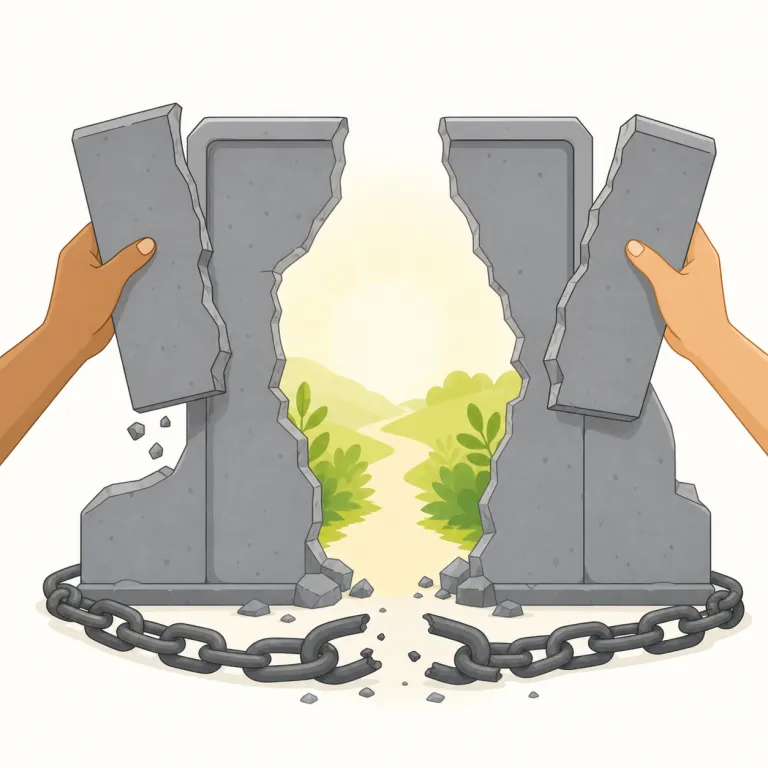
abolition
abolition は英検準1級レベルの英単語で、「廃止」という意味があります。発音記号は /ˌæbəˈlɪʃn̩/ です。
廃止
解説 Definition
「廃止」とは、法律・制度・慣習などを正式に終わらせ、なくすことを意味します。特に社会的に問題のある制度を取り除く際に使われる言葉です。
Abolition is the official ending or removal of a law, system, or practice. It is often used for major social or legal changes, such as ending slavery or a harmful institution. The word is formal and usually refers to complete, permanent removal.
覚え方のコツ Memory Tip
まず動詞 abolish をセットで覚えると定着しやすいです。abolition は「abolishすること」を表す名詞形で、-tion は action / creation などと同じ「行為・結果」の名詞語尾。意味は単なる stop ではなく、制度や法律そのものを正式になくす感じです。よく見るのは abolition of slavery, abolition of the death penalty。ban が個別の禁止、abolition は仕組み全体の廃止、と区別すると覚えやすいです。
Learn it with the verb abolish. The ending -tion turns the action into a noun, like in action or creation, so abolition is the formal act of ending a system. It often appears in phrases like abolition of slavery and abolition of the death penalty, which helps separate it from the simpler word ban.
例文
The abolition of slavery was a turning point in American history.
奴隷制度の廃止はアメリカ史の転換点であった。
Activists campaigned for the abolition of the death penalty.
活動家たちは死刑廃止のために運動した。
The abolition of the old tax system brought relief to many families.
旧税制の廃止により、多くの家族が安堵した。
abolition の類義語・関連語
abolition の語源・成り立ち Etymology
「abolition」はラテン語 abolere「取り除く・消し去る」から来た abolish に、名詞語尾 -tion が付いた語。関連語は abolish、abolitionist で、核にあるのは「存在を見えなくするほど取り去る」感覚。だから単なる停止でなく、制度そのものを「廃止する」という強い意味になる。
Abolition comes from abolish plus the noun ending -tion. Abolish comes from Latin abolere, meaning "remove," "destroy," or "wipe out." The word developed the strong sense of ending something completely, especially a law, system, or institution. Related English words include abolish and abolitionist.
同じレベルの語彙をもっと
英検準1級の一覧へ →外部辞書で調べる
この英単語をクイズで覚えよう