再制定する
verb 動詞法律や条例を、廃止・失効後などに改めて制定し直すことを表す。議会や法制度の文脈で、同一またはほぼ同内容の規定を再び法として成立させる場合に用い、歴史的場面を演じる意味とは異なる。
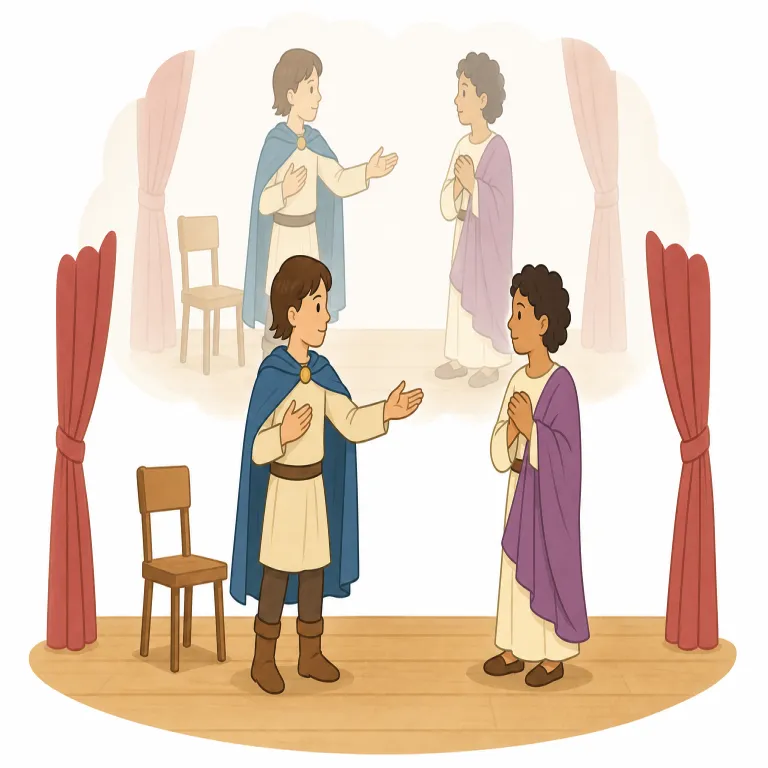
reenact はTOEIC 860・TOEFL 80・IELTS 6.5レベルの英単語で、「再現する」という意味があります。発音記号は /ˌriːɪnˈækt/ です。
過去の出来事や場面を再び演じたり再現したりすること。
To reenact means to perform or recreate an event from the past. It is commonly used for historical performances, films, and sometimes police or legal investigations.
まず中心は act「行う・演じる」。enact は「実際に演じて形にする」、そこへ re- が付くので「もう一度、演じてその場面を立ち上げる」とつかむと覚えやすいです。歴史上の出来事の再現、事故や事件の状況再現など、ただ repeat するのでなく、場面ごと演じ直す感じが核心。reconstruct は物や状況を組み立て直す寄り、reenact は人が動いて再演する寄り、と分けると混同しにくいです。
The center is `act`, meaning to do or perform. With `re-`, `reenact` means to act something again, not just repeat it, but perform the scene so it comes alive. That is why it is common for historical events, crimes, or accidents. Compare it with `reconstruct`, which is more about rebuilding, while `reenact` is more about acting out.
History enthusiasts gathered to reenact the famous battle that took place two centuries ago.
歴史愛好家たちが、2世紀前に行われた有名な戦いを再現するために集まった。
The police asked the witness to reenact the events leading up to the accident.
警察は目撃者に事故に至るまでの出来事を再現するよう求めた。
Every year, the town's residents reenact the founding story of their community.
毎年、町の住民たちは町の創設にまつわる物語を再現する。
文脈によって、次の意味でも使われます。
法律や条例を、廃止・失効後などに改めて制定し直すことを表す。議会や法制度の文脈で、同一またはほぼ同内容の規定を再び法として成立させる場合に用い、歴史的場面を演じる意味とは異なる。
reenact は英語の re-「再び」+ enact「行動として演じる」から成り、act はラテン語 agere「行う」に由来します。action や actor も同根で、ただ繰り返すのでなく「出来事をもう一度行為として立ち上げる」ので再現するのです。
Reenact is formed in English from re-, meaning "again," and enact. Enact is based on act, which comes from Latin agere, meaning "to do." The word came to mean doing an event again in action or performance, not just repeating it in words; related words include action and actor.
この英単語をクイズで覚えよう