react
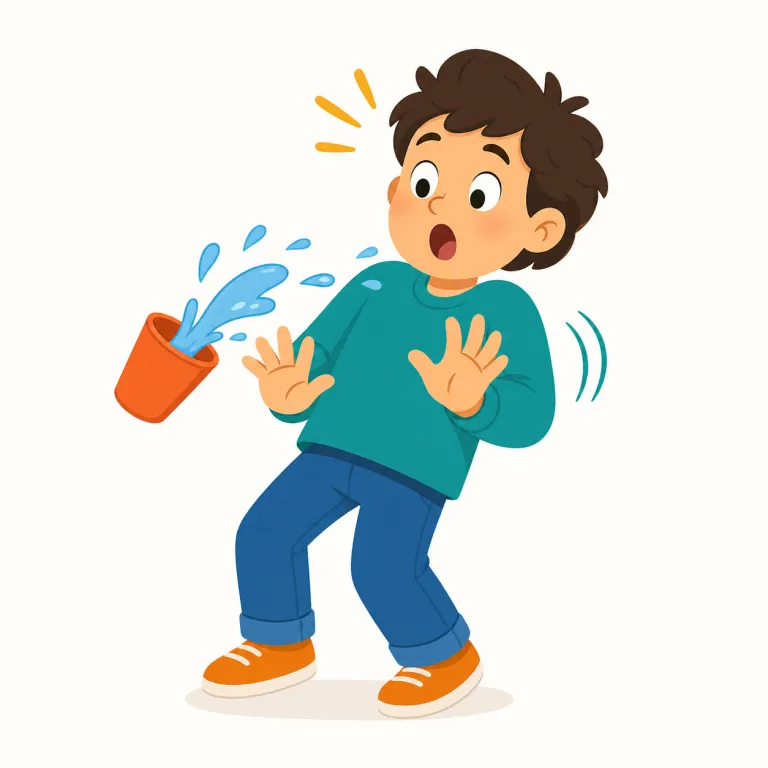
react は英検準2級・TOEIC 730・TOEFL 60・IELTS 5.5レベルの英単語で、「反応する」という意味があります。発音記号は /riːˈækt/ です。
反応する
解説 Definition
何らかの刺激や状況に対して、体や心が応答することを表します。自動的または意識的に対応する行動や反応を指します。
To react means to respond to something that happens, is said, or is felt. A person can react with words, actions, or emotions. It is commonly used for everyday situations, news, problems, and chemical or physical changes.
覚え方のコツ Memory Tip
act が「行動する」なら、react は「何かを受けて動き返す」とつなげると覚えやすいです。自分から始める action ではなく、外の刺激への反応が中心。react to the news, react badly, react quickly のように感情・態度の反応でよく出ます。さらに chemicals react with water のように物質にも使えるのがポイント。respond はやや意識的に返す感じ、react はもっと即時で自然な反応に寄りやすい、と区別すると定着します。
See `act` inside the word: `react` is to act back after something happens. It is usually not the first move, but a response to news, events, or even chemicals. Compare it with `respond`, which can sound more planned, while `react` often feels faster and more natural.
例文
The audience reacted positively to the presentation.
聴衆はそのプレゼンテーションに肯定的に反応しました。
How did he react when you told him the news?
彼に知らせたとき、どのように反応しましたか?
The chemicals react when mixed together.
それらの化学物質は混ぜると反応します。
えいたんごクイズでの正答率
この語をはじめて出題された 55人 のうち 49人 が正解しました(89%)。
えいたんごクイズの回答から集計した独自データです。1人につき最初に出題されたときの1回だけを数えており、復習や2回目以降の回答、「わからない」と時間切れは含みません。 集計時点は 2026年9月19日 です。
react の類義語・関連語
react の語源・成り立ち Etymology
ラテン語 reagere から。re-(反対に、戻して)+ agere(行動する、動かす)で「作用に対して返す動き」が原義。関連語: action(行動)、interact(相互に作用する)。外からの刺激に「逆方向に動き返す」ことから「反応する」。
This word comes from Latin reagere, made from re- "back" or "in return" and agere "to do" or "to drive." It originally carried the idea of acting back in response to something. Related English words from the same root include action and interact.
同じレベルの語彙をもっと
英検準2級の一覧へ →外部辞書で調べる
この英単語をクイズで覚えよう