えいたんごクイズ
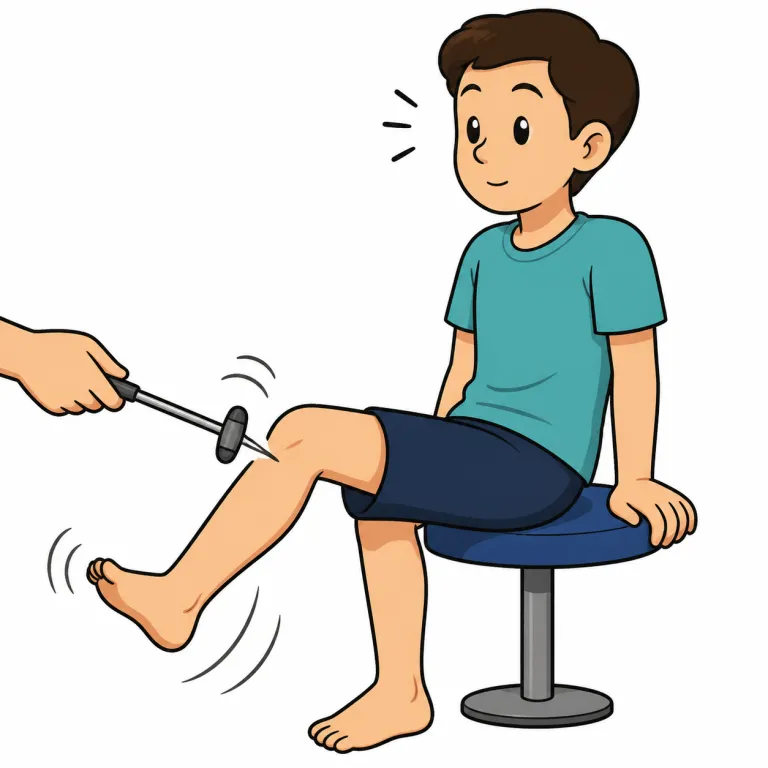
respond(応答する・動詞)の覚え方イラスト — このエントリでは respond を、人が言葉で「返答する」基本義ではなく、刺激・変化・治療などに対して状態や行動が「応答する、反応を示す」という意味で覚えます

respond

/rɪˈspɑːnd/

respond は英検準2級・英検2級・TOEIC 730・TOEFL 60・IELTS 5.5レベルの英単語で、「返答する、応答する、反応する、応じる、対応する」という意味があります。発音記号は /rɪˈspɑːnd/ です。

意味一覧 (7件)

verb

返答へんとうする

解説 Definition

人からの質問、依頼、メール、呼びかけなどに言葉で返すときに使う動詞です。answer より少し丁寧で、reply と同じく口頭・文章どちらの返事にも使えます。通常は respond to ... の形で相手や内容を示します。

Respond means to say or write something back when someone asks you a question, sends you a message, makes a request, or calls to you. It is often a little more polite or formal than answer, and it can be used for both spoken and written replies. It is commonly used in the pattern respond to + person, message, or situation.

覚え方のコツ Memory Tip

respond は response「返事・反応」の動詞形として見ると覚えやすい語です。基本義では、相手から来た質問・メール・依頼などに対して「返す」動きに注目します。answer は質問に答える感じが強く、reply は返事を書く・言う感じが強い一方、respond は少し広く丁寧な響きがあります。respond to a question / an email / a request のように、to とセットで覚えるのが重要です。

You can remember respond by connecting it with response, which is the noun meaning "reply" or "reaction." The core image is sending something back after a question, email, request, or call comes to you. Compared with answer and reply, respond sounds a little broader and more polite. It is important to learn it with to, as in respond to a question, respond to an email, or respond to a request.

例文

Please respond to my email by Friday.

金曜日までに私のメールに返答してください。

She responded calmly to the customer's complaint.

彼女はその客の苦情に落ち着いて返答した。

He never responded when I called his name.

私が彼の名前を呼んでも、彼はまったく返答しなかった。

verb

応答おうとうする

(意味 2)

解説 Definition

質問や呼びかけに返答する。他の何かに対して反応を示す。

To respond means to answer, reply, or react to something. It can be used for words, actions, feelings, or changes caused by a situation. This word is common in conversation, communication, and scientific or medical contexts.

覚え方のコツ Memory Tip

このエントリでは respond を、人が言葉で「返答する」基本義ではなく、刺激・変化・治療などに対して状態や行動が「応答する、反応を示す」という意味で覚えます。response「反応」を思い出し、respond to treatment「治療に反応する」、respond to changes「変化に応じる」のような形でまとめると定着しやすいです。主語は人だけでなく、体、患者、装置、組織などにもなります。

Connect it with the noun `response`. The usual pattern is `respond to`, so keep `to` attached in your memory. It is wider than `answer` because you can respond with words, actions, or even a reaction.

例文

She did not respond to his email immediately.

彼女は彼のメールにすぐに応答しませんでした。

The patient is responding well to the treatment.

患者は治療によく応答しています。

Please respond to the survey questions by Friday.

金曜日までにアンケートの質問に応答してください。

verb

返答へんとうする

(意味 3)

解説 Definition

質問や要求に対して返答すること。また、何かの働きかけや刺激に対して反応を示すこと。

例文

Please respond to my email as soon as possible.

できるだけ早く私のメールに返答してください。

He didn't respond to her question immediately.

彼は彼女の質問にすぐには返答しませんでした。

The company responds to customer inquiries within 24 hours.

その会社は24時間以内に顧客の問い合わせに返答します。

verb

反応はんのうする

(意味 4)

解説 Definition

外部からの刺激・変化・出来事を受けて、感情や身体、機械、薬の効き方などが何らかの反応を示すときに使う。人だけでなく、患者・市場・装置など幅広い主語で用いられ、状況に対してどう変化したかを述べる。単なる返答ではなく、影響を受けて結果が現れる感じが強い。

To respond means to react to something that happens, changes, or affects you. It can describe words, actions, feelings, the body, a machine, a market, or a patient’s condition. The focus is often on the result that appears after some outside event or influence, not only on giving an answer.

覚え方のコツ Memory Tip

respond は名詞 response を知っていれば動詞として覚えやすい語。基本は respond to ... で「…に応じる」。answer は問いに答える、reply は返事を書く・言う感じが強いのに対し、respond は言葉でも行動でも使え、「反応する」まで含めた広めの語。respond to a question / an email / changes、respond quickly、fail to respond までまとめて覚えると定着しやすい。to を落としやすいので必ずセットで記憶。

If you know the noun response, respond is easy to remember as its verb form. The basic pattern is respond to something, such as respond to a question, an email, changes, or treatment. Unlike answer or reply, respond can mean reacting with words, actions, body changes, or results, so remember the preposition to as part of the phrase.

例文

She did not respond to my question right away.

彼女は私の質問にすぐには反応しなかった。

The patient responded well to the new medicine.

その患者は新しい薬によく反応した。

Markets responded quickly to the sudden change in policy.

市場は突然の政策変更にすばやく反応した。

verb

おうじる

(意味 5)

解説 Definition

依頼・招待・要請・必要などを受けて、それに合わせて行動したり受け入れたりするときに使う。人や組織が求めを無視せず、具体的な対応を取る場面でよく用いられる。質問に答える意味より、求めに従う・受けて立つという含みが強い。

To respond means to do something after someone makes a request, invitation, need, or change. It often means that a person or organization does not ignore the situation, but takes some clear action. It can include answering with words, but it is often wider than answer or reply because it can describe actions and reactions too.

例文

The company promised to respond to every customer complaint within 24 hours.

その会社はすべての顧客の苦情に24時間以内に応じると約束した。

She responded quickly to the invitation and accepted the offer.

彼女は招待にすぐ応じ、その申し出を受け入れた。

Hospitals must be ready to respond to sudden changes in demand.

病院は需要の急な変化に対応できる準備をしておかなければならない。

verb

反応はんのうする

(意味 6)

解説 Definition

返答する、または反応する。質問や呼びかけに対して返答したり、刺激に反応したりすること。

例文

The dog responded to the call of its owner.

犬は飼い主の呼びかけに反応しました。

The plants respond well to sunlight and water.

植物は日光と水に良く反応します。

She responded with a smile to his kind gesture.

彼女は彼の親切な行動に笑顔で反応しました。

verb

対応たいおうする

(意味 7)

解説 Definition

何かに返答する、応答する。また、ある状況や要求に対処する、応じるという意味。

例文

I will respond to your email by tomorrow.

明日までにあなたのメールに返信します。

The government responded to the crisis with new policies.

政府は危機に新しい政策で対応しました。

She responded positively to the job offer.

彼女はその仕事の申し出に前向きに応じました。

respond の語源・成り立ち Etymology

respond はラテン語 respondere「返答する」に由来し、re-「返して」+ spondere「厳かに約束する」から成る。古フランス語を経て英語に入り、返事を返す感覚を保っている。

Respond comes from the Latin word respondere, meaning "to answer" or "to reply." It is made from re-, meaning "back," and spondere, meaning "to promise solemnly." The word came into English through Old French and kept the idea of giving an answer back.

外部辞書で調べる

この単語をシェア

この単語を英単語クイズで覚えよう