
suppose
suppose は英検準2級・TOEIC 730・TOEFL 60・IELTS 5.5レベルの英単語で、「推測する、仮定する」という意味があります。発音記号は /səˈpoʊz/ です。
意味一覧 (2件)
推測する
解説 Definition
何かについてそうだろうと思う、推測する、あると想定することです。確実ではないが、そうだと考えることを表します。
Suppose means to think something is probably true, even when you are not completely sure. It is often used when guessing, making an assumption, or considering a possible situation. In everyday English, it can also introduce an idea for discussion.
覚え方のコツ Memory Tip
suppose は「guess より少し落ち着いて、assume ほど強くない推測」と並べて覚えると残りやすい語です。I suppose ... は「たぶんそうだと思う」のような控えめな言い方で、断定を避けたい場面でよく出ます。また suppose that ... で「〜だと仮定する」、be supposed to ... で「〜することになっている」と形が変わるのが重要。推測と前提設定の両方に使える語、とまとめて覚えると混乱しにくいです。
Place `suppose` between `guess` and `assume`. `I suppose` sounds calm and not fully certain, which makes it a useful soft phrase in conversation. Also remember its two common patterns: `suppose that ...` and `be supposed to ...`.
例文
I suppose you are right.
あなたが正しいと思います。
We suppose it is easy.
それは簡単だと思います。
She supposes he is home.
彼は家にいると思っています。
えいたんごクイズでの正答率
この語をはじめて出題された 49人 のうち 34人 が正解しました(69%)。
えいたんごクイズの回答から集計した独自データです。1人につき最初に出題されたときの1回だけを数えており、復習や2回目以降の回答、「わからない」と時間切れは含みません。 集計時点は 2026年9月19日 です。
仮定する
(意味 2)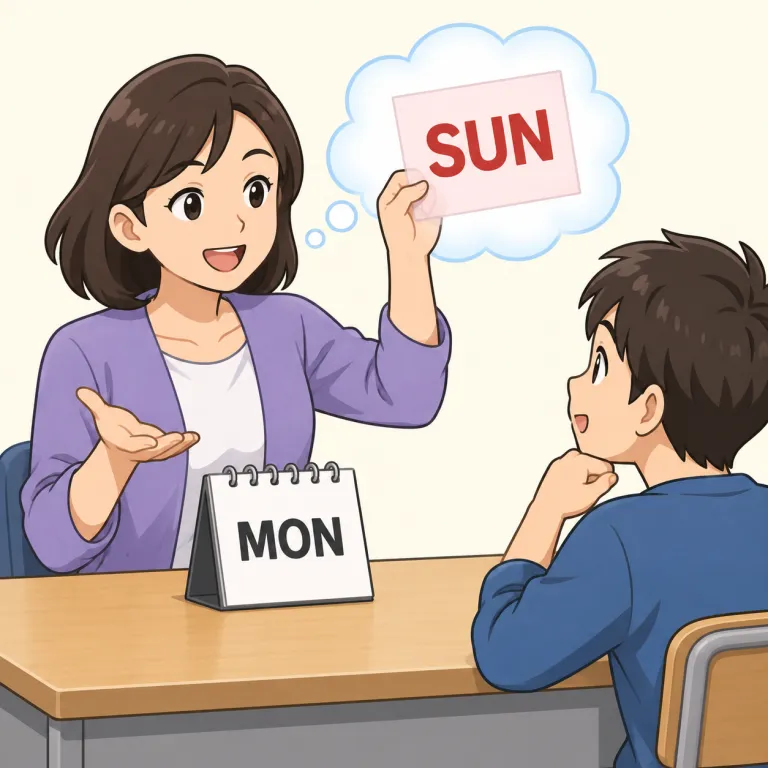
解説 Definition
あることが真実だと思う、または仮定する。仮の状況や条件を想定して述べるのに使う。
To suppose means to think that something is true or likely, often without complete proof. It is also used when imagining a possible situation or making an assumption. It is common in everyday speech, especially when giving opinions or discussing what might happen.
覚え方のコツ Memory Tip
suppose は think と assume の中間に置くと覚えやすい語。会話では I suppose ... で「たぶん〜だと思う」と断定を弱め、説明や問題文では Suppose that ... で「もし〜だと仮定すると」と条件を置く。assume より少し日常的で、guess より根拠がある感じ。さらに be supposed to ... は「〜することになっている」で別表現なので、動詞 suppose「仮定する」と混同しないようにセットで覚える。数学・議論・会話の3場面に分けて思い浮かべると定着しやすい。
Think of suppose as a middle word between think and assume. In conversation, "I suppose..." sounds softer than a strong statement, but in textbook English, "Suppose that..." often starts a condition. Also keep "be supposed to" separate in your mind, because that is a different pattern.
例文
Suppose today is Sunday.
今日が日曜日だと仮定しましょう。
Suppose Tom has ten apples.
トムがリンゴを10個持っていると仮定しましょう。
Suppose this answer is right.
この答えが正しいと仮定しましょう。
suppose の類義語・関連語
類義語
対義語
紛らわしい語
suppose の語源・成り立ち Etymology
supposeは古フランス語supposer、さらにラテン語supponereにさかのぼり、sub-「下に」+ ponere「置く」から成ります。もともと「下に置く・仮に置く」が転じて「前提として置く、推測する」となりました。頭の中で一度そこに置いてみる感覚だと意味がつかみやすいです。関連語はpropose、positionです。
Suppose comes from Old French supposer, from Latin supponere, built from sub- "under" and ponere "to put." The original idea was "to put under" or "set beneath," then "put forward as a basis." From there, it developed into "assume" or "believe something may be true." Related words include propose, position, and compose.
同じレベルの語彙をもっと
英検準2級の一覧へ →外部辞書で調べる
この英単語をクイズで覚えよう