意味一覧 (2件)
本国送還
解説 Definition
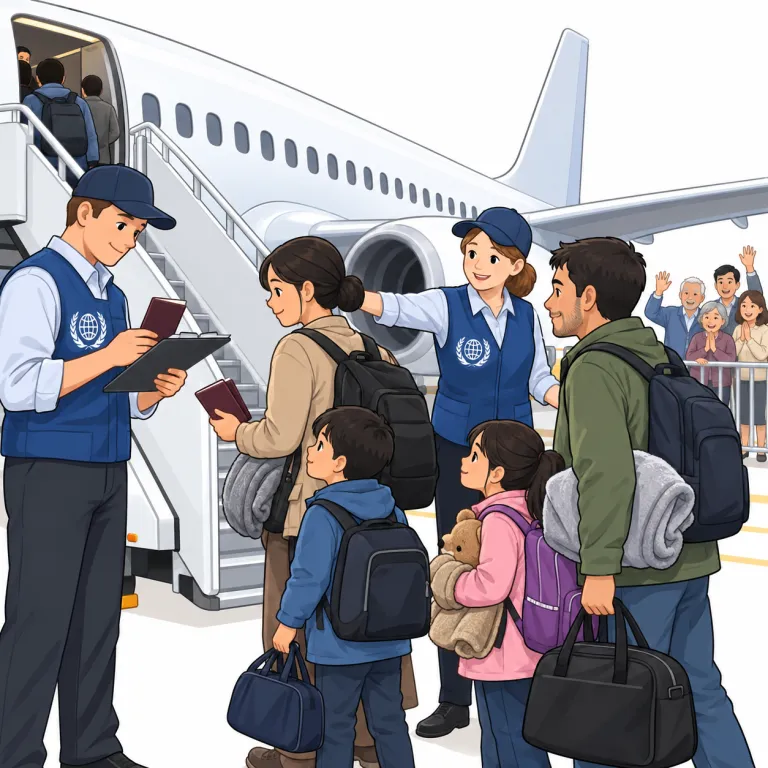
外国にいる人を母国に送還すること。戦争や紛争後の捕虜や難民の帰国、または資産の本国への移転を指す。
Repatriation is the process of returning a person, body, money, or valuable object to their home country. It is a formal word often used in law, migration, war, and finance.
覚え方のコツ Memory Tip
`re-` は「元に戻す」、`patri-` は `patriot` を知っていれば「祖国・母国」のイメージにつながるので、`repatriation` はまず「母国へ戻すこと」とまとめて覚えるとよいです。語尾の `-ation` で名詞だと分かります。`deportation` は追放・国外退去の響きが強いのに対し、こちらは難民・捕虜・遺体・利益などを“本国へ帰す/戻す”文脈で使われやすい語。`repatriation of refugees` や `profits` の形で見ると定着しやすいです。
The prefix `re-` means "back," and the middle part connects with `patriot`, which can help you remember the idea of one's home country. The ending `-ation` tells you it is a noun. Learn it in chunks like `repatriation of refugees` or `repatriation of profits` to fix the pattern in memory.
例文
The government arranged repatriation for the earthquake survivors.
政府は地震の生存者の本国送還を手配した。
She studied documents about the repatriation of refugees.
彼女は難民の本国送還に関する文書を調べた。
The repatriation program helped thousands of refugees return to their home countries.
本国送還事業により、何千人もの難民が母国に帰ることができた。
帰国
(意味 2)
解説 Definition
個人や集団が外国での滞在や移動を終え、自国や祖国へ戻ることを表す名詞です。難民や駐在員、海外在住者について、政府の支援や手続きとともに語られることが多く、強制的な送還より中立的に「帰国・帰還」を述べる文脈でも用いられます。
The return of a person or group from another country to their own country or homeland. It is often used for an organized or supported return involving citizens, refugees, or overseas residents.
覚え方のコツ Memory Tip
`re-` は「元に戻る」、`patri-` は `patriot` を知っていれば「祖国・母国」のイメージにつながるので、`repatriation` はまず「人が母国へ戻ること」とまとめて覚えるとよいです。語尾の `-ation` で名詞だと分かります。`deportation` は追放・国外退去の響きが強いのに対し、こちらは海外にいる市民や難民が手続きや支援を受けて“自国へ帰る”文脈で使われやすい語です。
Connect re- with “back” and patri- with patria, or homeland. The ending -ation marks an action or process, so the whole word refers to the process of returning people to their own country.
例文
The government arranged the repatriation of citizens stranded abroad.
政府は海外で足止めされた市民の帰国を手配した。
After the ceasefire, the charity supported the repatriation of refugees.
停戦後、その慈善団体は難民の帰還を支援した。
She wrote about her repatriation after ten years overseas.
彼女は10年間の海外生活を終えた後の帰国について書いた。
repatriation の類義語・関連語
対義語
紛らわしい語
repatriation の語源・成り立ち Etymology
repatriation は re-「元へ」+ patri(a)「祖国」+ -ation「行為」から成る語です。ラテン語 repatriare「祖国へ帰す」にさかのぼり、patria は pater「父」由来なので、「父祖の地へ戻すこと」から本国送還の意味になりました。関連語は patriot, expatriate。
Repatriation comes from Latin repatriare, meaning "to return to one's homeland." It is made from re-, "back," patria, "native land," and the noun ending -ation; patria itself is related to pater, "father." The older sense was returning someone to the land of their fathers, which later developed into the modern idea of sending someone back to their own country. Related English words include patriot and expatriate.
同じレベルの語彙をもっと
外部辞書で調べる
この英単語をクイズで覚えよう