匹敵する、肩を並べる
verb 動詞質・規模・美しさなどの点で、ある対象に匹敵する、またはそれに劣らないほど優れていること。rival Aのように比較対象を直接目的語に取り、当事者同士が実際に競争しているとは限らない。
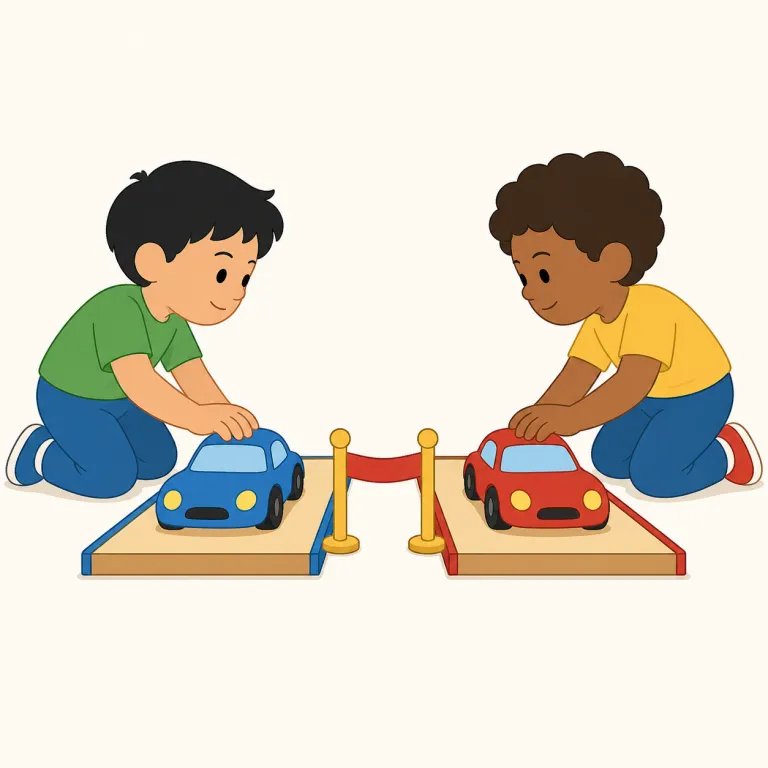
rivalling はTOEIC 860・TOEFL 80・IELTS 6.5レベルの英単語で、「競い合う」という意味があります。発音記号は /ˈraɪvəlɪŋ/ です。
ライバル関係にある、競争している。rival(ライバル)の現在分詞形で、継続的な競争や対抗を表します。
Rivalling means competing with someone or something, or being almost as good, large, or successful as they are. It is used when two things are seen as strong competitors or close equals. The word often appears in formal or descriptive writing.
rival がそのまま動詞として使われた形だと押さえると覚えやすいです。まず核は『ライバルと張り合う』で、-ing が付くことで、一回の勝負ではなく競争が続いている場面を思い浮かべます。competing が広く『競っている』なのに対し、rivalling は『肩を並べるほど強く対抗する』響きが出やすい語です。a firm rivalling market leaders のように、上位相手に食らいつく絵で覚えると定着します。なお米式では rivaling、英式では rivalling もよく見ます。
See the base word `rival` inside it. `Rivalling` means acting like a rival and strongly matching or challenging someone. It feels stronger than simple `competing`, because it suggests being close in level.
The two companies are rivalling each other for market dominance.
その2社は市場支配をめぐって互いに競い合っています。
These athletes are rivalling each other for the championship title.
これらの選手はチャンピオンの称号をめぐって互いに競い合っています。
The brands rivalling each other in the smartphone market continue to innovate rapidly.
スマートフォン市場で互いに競い合うブランドは、急速に革新を続けています。
文脈によって、次の意味でも使われます。
質・規模・美しさなどの点で、ある対象に匹敵する、またはそれに劣らないほど優れていること。rival Aのように比較対象を直接目的語に取り、当事者同士が実際に競争しているとは限らない。
rivalling は rival + -ing。rival はラテン語 rivalis「同じ川を使う者」に由来し、語根は rivus「小川」で、もとは水を争う隣人の感覚でした。river や rivulet も同根で、『同じ流れを分け合う者』が『競争相手』になったのが見えてきます。
Rivalling is formed from rival + -ing. Rival comes from Latin rivalis, which originally meant a person using the same stream or river, from rivus "brook" or "stream." The idea of neighbors competing for the same water source widened into the modern sense of a competitor; river and rivulet share the same root.
この英単語をクイズで覚えよう