策略
解説 Definition
相手をだまして目的を達成したり、不利な状況を切り抜けたりするための巧妙な手段。
A clever trick used to deceive someone in order to achieve a goal or escape a difficult situation. It involves hiding the real purpose behind an action or plan.
覚え方のコツ Memory Tip
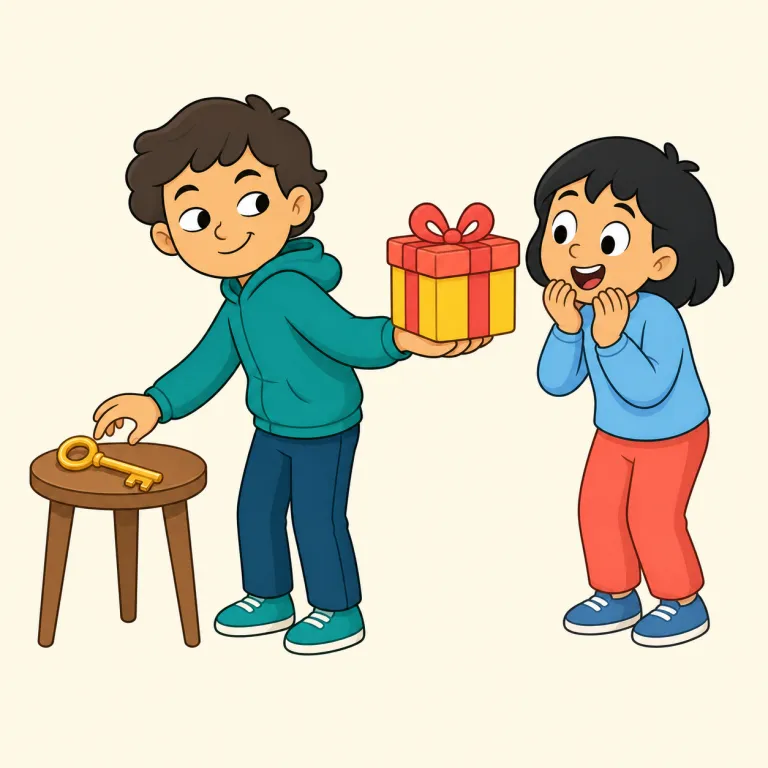
ruse は、目的を隠して相手を別方向へ動かす「策略」。単なる plan ではなく、だます仕掛けを含む点が核心です。「電話で彼を部屋の外へ誘い出し、その間に別のことをする」という場面を固定し、The call was a ruse to get him out. のように a ruse to do「〜するための策略」で覚えると実用的です。clever ruse「巧妙な策略」、use a ruse「策略を使う」、see through a ruse「策略を見抜く」も頻出。正面からではなく裏をかく手段、と押さえると定着しやすいです。
Picture someone using a fake phone call to draw another person out of a room. The key idea is not simply having a plan, but using deception to make someone act in a desired way. Remember patterns such as "a ruse to do something," "use a ruse," and "see through a ruse."
例文
The phone call was a ruse to get him out of the room.
その電話は彼を部屋から出すための策略だった。
They used a clever ruse to enter the building.
彼らは建物に入るために巧妙な策略を使った。
She quickly saw through his ruse.
彼女はすぐに彼の策略を見抜いた。
ruse の類義語・関連語
類義語
ruse の語源・成り立ち Etymology
ruse はフランス語 ruse「策略・ごまかし」から英語に入った語で、さらに ruser「身をかわす・裏をかく」にさかのぼります。語源には不確かな点もありますが、元は「正面から行かず、ずらしてかわす」感覚で、そこから「策略」の意味になりました。関連語は rusé, ruser。
Ruse entered English from French ruse, meaning a trick or deception. It is connected with the French verb ruser, meaning to evade or outwit, although its earlier origin is uncertain.
同じレベルの語彙をもっと
外部辞書で調べる
この英単語をクイズで覚えよう