上火式グリル
noun 名詞業務用厨房などで、料理の表面を強い上火で焼き、焦げ目をつける加熱器具を指します。特に英国英語で使われ、米国英語の broiler に近い高温の調理器具です。
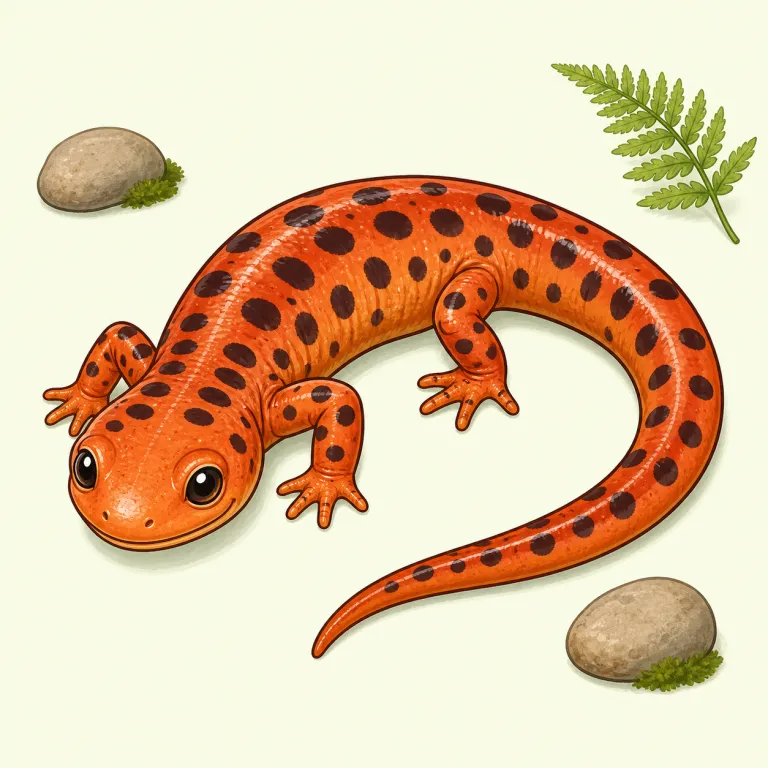
トカゲに似た外見を持つ両生類。湿った環境に生息し、体の一部を再生する能力がある。中世ヨーロッパの民間伝承では、火の中で生きると信じられていた伝説上の生物として描かれていました。
A salamander is a small animal like a lizard, but it is an amphibian with smooth, moist skin. It usually lives in wet places and may spend time both in water and on land. The word is used in biology and when talking about wildlife.
まず「トカゲっぽいのに lizard ではない」と押さえると記憶に残りやすい語です。細長い体で見た目は爬虫類風でも、分類は frog や newt に近い amphibian(両生類)。湿った場所、水辺、再生能力というセットで覚えると意味が崩れません。newt はその一種寄り、salamander はより広い呼び名として見ると整理しやすいです。さらに fire salamander のように、図鑑だけでなく伝説やファンタジーでも現れる語だと知っておくと、神秘的な印象ごと定着します。
Remember `salamander` as an animal that looks a bit like a lizard, but is not a lizard. Link it with `amphibian`, wet places, and water, not dry reptile life. It also appears in fantasy and legends, so that unusual, almost magical image can help fix the word in memory.
In medieval folklore, the salamander was believed to be a creature that lived in fire.
中世の民間伝承では、サラマンダーは火の中に住む生き物だと信じられていました。
The spotted salamander is a common amphibian found in North American forests.
キボシサンショウウオは、北米の森林でよく見られる両生類です。
Scientists study salamanders to understand how some amphibians regenerate body parts.
科学者は、一部の両生類がどのように体の一部を再生するのかを解明するため、サンショウウオを研究しています。
文脈によって、次の意味でも使われます。
業務用厨房などで、料理の表面を強い上火で焼き、焦げ目をつける加熱器具を指します。特に英国英語で使われ、米国英語の broiler に近い高温の調理器具です。
salamander はギリシャ語 salamandra がラテン語経由で入った語で、接辞分解より固有名の継承として覚える語です。salamandrine や salamandrid も同系で、古代の「火に耐える生き物」という伝説が意味の神秘性を支えています。
Salamander came into English from Latin, which took it from Greek salamandra. It was passed on mainly as the name of a creature, rather than being built from smaller parts in English. In ancient tradition, the salamander was linked with fire and thought able to live in it, which gave the word a mysterious feeling. Related forms include salamandrine and salamandrid.
この英単語をクイズで覚えよう