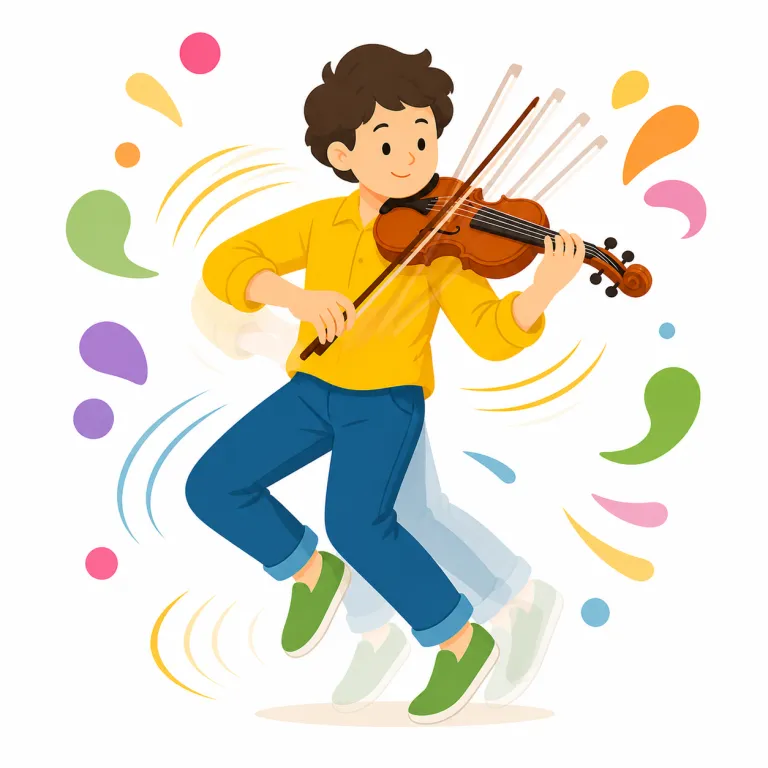
(音楽で)速く、快活に
解説 Definition
allegro は音楽で、曲や楽章を速く生き生きと演奏することを示す語です。楽譜の速度標語として用いられ、単に速いだけでなく、明るく快活な感じで進む演奏の性格も含みます。
Allegro means at a quick and lively speed in music. It tells musicians how fast and energetically a piece or section should be played. This word is mainly used as a musical direction.
覚え方のコツ Memory Tip
楽譜で見たら、単なる「速く」ではなく「明るく元気に速く」とまとめて覚える。イタリア語の速度標語はテンポだけでなく表情も含み、allegro は andante より速く、presto ほど極端ではない中核的な速さ。反対側にあるのは adagio や largo。名詞で「アレグロ楽章」とも言う。allegretto はその少し手前の軽めの速さなので、allegro を基準に前後を並べて覚えると定着しやすい。古典派の第1楽章でよく出る、軽快に前へ進む音のイメージと結びつけると強い。
When you see `allegro` in music, remember not just “fast” but “bright and lively fast.” It belongs with other Italian tempo words, so compare it with slower words like `adagio` and faster ones like `presto`. `Allegretto` is a little lighter or less fast, so it helps you place `allegro` in the middle. Think of a classical first movement moving forward with energy.
例文
The final movement should be played allegro.
終楽章は速く快活に演奏されるべきだ。
The pianist played the sonata's opening section allegro but stayed in control.
そのピアニストはソナタの冒頭部分を速く生き生きと弾いたが、演奏は乱れなかった。
After the slow introduction, the passage is played allegro by the violins.
ゆっくりした序奏の後、バイオリンがこの楽節を速く快活に演奏する。
allegro の類義語・関連語
allegro の語源・成り立ち Etymology
allegro はイタリア語で「快活な・陽気な・速い」を表し、さらにラテン語 alacer「活発な・元気な」に由来します。もとは“生き生きして明るい”気分を示す語で、その感じのまま音楽では「快活に、速く」の発想記号として使われます。関連語は alacrity、allegretto。
Allegro comes from Italian allegro, meaning "cheerful" or "lively," and it is linked to Latin alacer, meaning "active" or "spirited." At first it described a bright, energetic mood. In music, that feeling naturally shifted into the direction "play in a lively, quick way." Related words include alacrity and allegretto.
同じレベルの語彙をもっと
外部辞書で調べる
この英単語をクイズで覚えよう