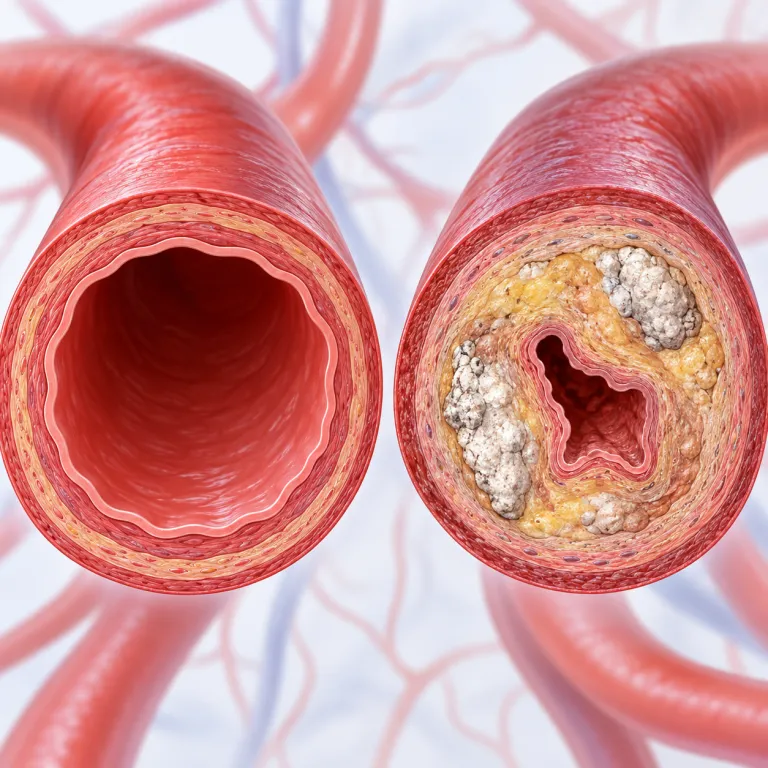
硬化性の
解説 Definition
硬くなったまたは柔軟性を失った状態。医学では動脈が硬化する症状を指し、政治的文脈では融通性のない、変化に抵抗する性質を意味します。
Sclerotic means becoming hard or stiff in a medical sense, especially in body tissue. It can also describe an organization or system that has become rigid, old-fashioned, and unable to change easily.
覚え方のコツ Memory Tip
sclerotic は「硬さ・硬直」で一本化して覚えると残りやすい語。sclerosis(硬化症)や sclera(強膜)で見る scler- を見たら、まず hard / stiff を連想する。そこから「血管や組織が硬くなった」という医学用法と、「組織・官僚機構が古く硬直して変化できない」という比喩用法の両方に広げる。flexible の反対側にある語だと押さえると使い分けしやすい。なお sclerosis は名詞、sclerotic は形容詞。
Remember `scler-` as a medical clue for something hard or stiff. It appears in words like `sclerosis`, so `sclerotic` should make you think of loss of flexibility. It can describe the body, but also old systems or organizations that have become rigid.
例文
Sclerotic arteries increase the risk of heart disease.
硬化した動脈は心臓病のリスクを高めます。
The organization's sclerotic bureaucracy hindered progress.
その組織の硬直した官僚機構は進歩を妨げました。
His sclerotic thinking prevented him from accepting new ideas.
彼の硬直した考え方は、新しいアイデアを受け入れる妨げになりました。
sclerotic の類義語・関連語
sclerotic の語源・成り立ち Etymology
sclerotic はギリシャ語 skleros「硬い」に由来し、scler(o)-「硬化」+ -otic「…に関する」と分けられます。sclerosis や sclera も同根で、どれも『硬さ』が中心です。組織が硬くなる、さらには比喩的に『融通が利かない』へ広がるのが、この語の筋道です。
Sclerotic comes from Greek skleros, meaning "hard." It appears in medical and scientific words through the combining form scler(o)-, with the sense of hardening or stiffness. From the literal idea of tissue becoming hard, the word also developed figurative uses for systems or attitudes that have become rigid; related words include sclerosis and sclera.
同じレベルの語彙をもっと
外部辞書で調べる
この英単語をクイズで覚えよう