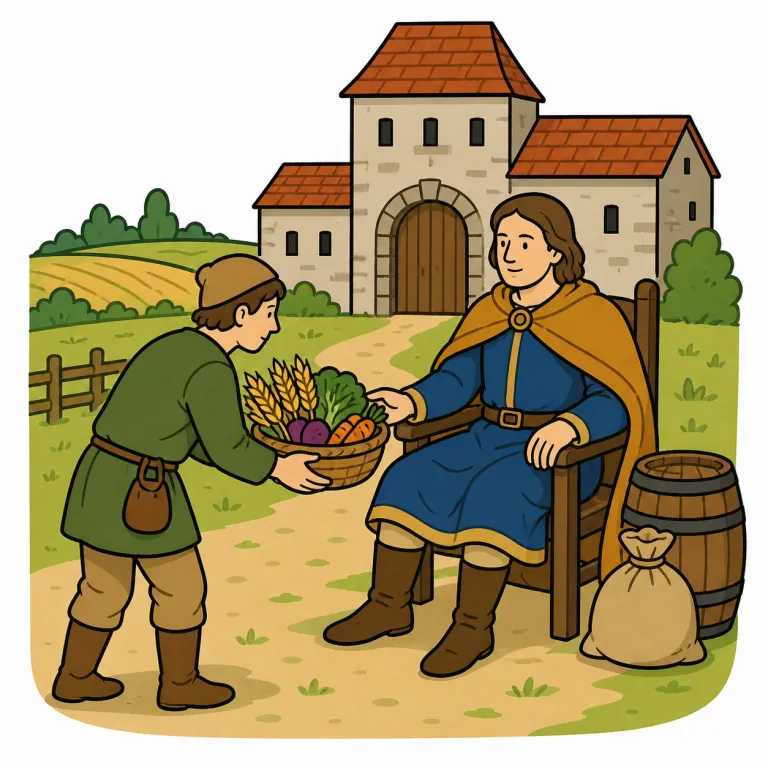
領主
解説 Definition
フランス語圏の封建制や領主制における領主を指します。中世フランスだけでなく、植民地時代のケベックの領主制を説明する文脈でも使われます。土地を支配し、農民や住民から地代・税を受け取る立場の人です。
A seigneur is a lord or landowner in a feudal system, especially in historical French contexts. Such a person had power over land and the people living on it. The word is mainly used in history rather than modern everyday English.
覚え方のコツ Memory Tip
まず easy な語 senior を思い出すと覚えやすいです。seigneur は現代の「年上」ではなく、歴史文脈での「上に立つ人」から、フランス語圏の土地を支配する lord へ結びつけると定着します。英語の普通の lord よりも、フランス封建制やケベックの領主制に結びつく語だと押さえるのがコツです。つづりはフランス語らしい gn と語尾 -eur が目印です。
The spelling looks French, and that is a useful memory hook. `Seigneur` is basically a historical French-style `lord`, especially in feudal settings, not an everyday word. Remember it as a literature or history word, not a modern social title.
例文
The seigneur collected taxes from the peasants working his lands.
領主は自分の領地で働く農民から税金を徴収した。
Local seigneurs held considerable power in colonial Quebec.
地元の領主は植民地時代のケベックで相当な権力を持っていた。
The seigneur's castle overlooked the village and surrounding farmland.
領主の城は村と周辺の農地を見下ろしていた。
seigneur の類義語・関連語
seigneur の語源・成り立ち Etymology
seigneur は古フランス語 seignor を経て、ラテン語 senior「年長者」に由来します。senior は senex「老人」系で、senior や senile も同根です。昔は『年長で権威ある人』が支配者だったので、年上の語感がそのまま領主へつながりました。
"Seigneur" came into English from Old French seignor, from Latin senior, meaning "older" or "elder." That Latin word belongs to the same family as senex "old man," which also gave English words like senior and senile. Because older men often held authority in earlier societies, the sense developed from "elder" to "lord" or "feudal ruler."
同じレベルの語彙をもっと
外部辞書で調べる
この英単語をクイズで覚えよう