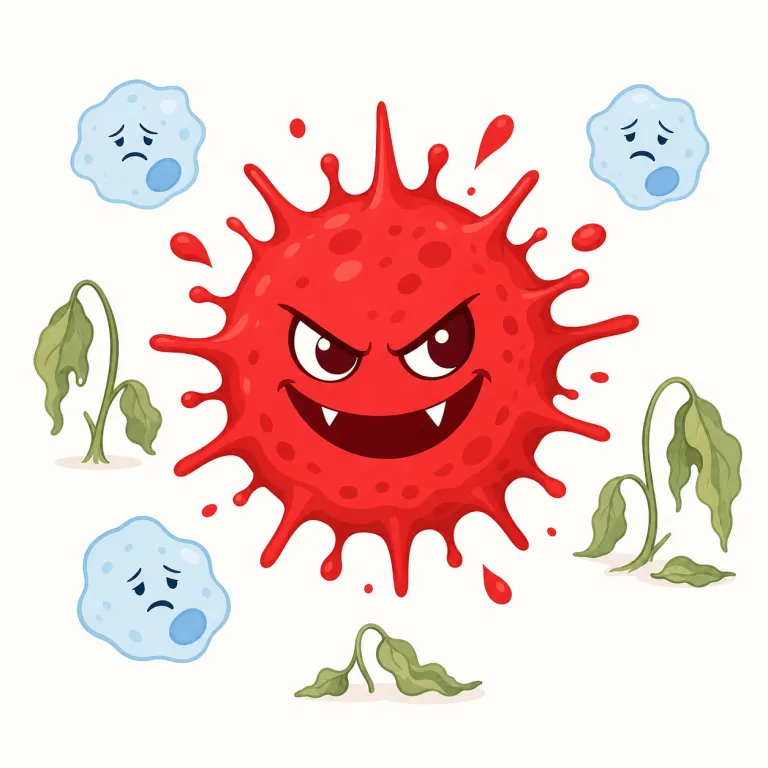
強毒性の、猛毒の、悪意に満ちた
解説 Definition
病原体については、感染の広がりやすさではなく、感染した際に重い病気や害を引き起こす性質が強いことを表します。毒などには作用が非常に強く有害であること、批判・攻撃・感情などには敵意が強く激烈であることを表します。
Virulent can describe something very harmful, dangerous, or severe, especially a disease or poison. It can also describe language, criticism, or hatred that is extremely bitter and aggressive. The word is stronger and more intense than simply saying something is harmful or angry.
覚え方のコツ Memory Tip
virus を知っていると覚えやすい語。virulent は「ただ有害」ではなく、病気なら症状や害がかなり強い感じで、toxic や poisonous よりも“勢いよく深刻に害を及ぼす”印象がある。よく virulent infection / strain のように使い、比喩では virulent criticism のように「悪意むき出しの激烈な批判」にも広がる。violent と少し見た目が近いので混同しやすいが、中心は「暴力的」ではなく「毒性・敵意の強さ」。
This word is easy to connect with `virus`. `Virulent` suggests something strongly harmful or full of hostility, not just a little dangerous. Remember examples like `virulent strain` and `virulent criticism`, and be careful not to confuse it with `violent`.
例文
The virulent strain of the virus spread rapidly through the population.
その強毒性のウイルス株は、人々の間に急速に広がった。
His virulent attacks on the government were widely condemned.
彼の政府への悪意に満ちた激烈な攻撃は、広く非難された。
The snake's virulent venom can be fatal to humans.
その蛇の猛毒は、人間には致命的になりうる。
悪質な
(意味 2)
解説 Definition
病気や毒などが極めて危険で有害な状態を指す。また、批判や敵意などが激しく悪意に満ちた様子を表す。
Virulent means extremely harmful, dangerous, or severe. It is often used for diseases or infections that spread strongly, and it can also describe very bitter or hateful criticism. The word has a strong negative meaning and is more formal than common words like bad or strong.
覚え方のコツ Memory Tip
virus を知っていれば覚えやすい語。virulent は「virus のような毒性・感染力を帯びた危険さ」と結ぶと、病気や毒が極めて有害という核がつかめる。そこから比喩で、批判・敵意・憎しみにも使われ、単に strong や harsh ではなく「毒をまくように悪意が強い」感じ。virulent infection, a virulent attack, virulent criticism など、医学と激しい非難の両方で出る語としてまとめて覚えるとよい。
The start `vir-` can remind you of `virus` and something spreading in a poisonous way. That helps with phrases like `virulent criticism` or `virulent attack`, where the words feel toxic, not just strong. It is harsher and more poisonous in tone than simple `hostile` or `harsh`.
例文
The virulent online attack on the innocent family was despicable.
その無実の家族に対するネット上の悪意に満ちた攻撃は非難されるべきものでした。
The politician's virulent criticism shocked the audience.
その政治家の悪質な批判は聴衆を驚かせました。
His virulent hatred for the enemy was well-known.
敵に対する彼の激しい憎しみはよく知られていました。
virulent の類義語・関連語
virulent の語源・成り立ち Etymology
virulent はラテン語 virulentus「毒をもつ、毒に満ちた」に由来し、さらに virus「毒」へさかのぼります。文字どおり「毒でいっぱい」が核なので、「有毒な」だけでなく「悪意に満ちた」にも広がり、virus や virulence が関連語です。
Virulent comes from Latin virulentus, meaning "poisonous" or "full of poison." It is related to Latin virus, which originally meant "poison" or "slimy liquid" before later becoming the source of the modern scientific word virus. From the idea of poison, virulent developed both a medical sense and a wider sense of extreme bitterness or hostility; related words include virus and virulence.
同じレベルの語彙をもっと
外部辞書で調べる
この英単語をクイズで覚えよう