
malignant
malignant は英検1級レベルの英単語で、「悪性の、悪意のある、悪性の」という意味があります。発音記号は /məˈlɪɡnənt/ です。
意味一覧 (2件)
悪性の
解説 Definition
悪性とは、他に害を及ぼしやすく危険な性質を持つことです。医学の分野では、がんなどの腫瘍が急速に増殖または転移する可能性がある状態を指します。日常的には、悪意を持って人や集団に害を与えるような態度や影響も示す語です。
Malignant usually means very harmful or dangerous. It is often used in medicine for a cancer that can grow and spread, and it can also describe attitudes or influences that are deeply harmful.
覚え方のコツ Memory Tip
mal- は malfunction, malnutrition などと同じく「悪い・不良」の感触を持つ接頭辞。そこに benign(良性の・害のない)の反対語としてセットで覚えると定着しやすい。医療では malignant tumor が定番で、単に「大きい腫瘍」ではなく「広がる・害を及ぼす危険が高い」という含みがある。比喩でも malignant influence のように、人や状況に有害な影響を与える感じで使える。
The prefix `mal-` often means "bad," as in `malfunction` or `malnutrition`. That makes `malignant` easier to remember as the bad opposite of `benign`. A very common pair is `malignant tumor` versus `benign tumor`. You can also remember it in wider phrases like `malignant influence`.
例文
The doctor said the tumor was malignant and needed treatment soon.
医師は、その腫瘍は悪性で、すぐに治療が必要だと説明した。
The doctor explained that malignant tumors can spread through the body.
医師は、悪性腫瘍が体内に広がることがあると説明した。
The malignant influence of the corrupt leader spread throughout the organization.
腐敗した指導者の悪影響が組織全体に広がった。
悪意のある、悪性の
(意味 2)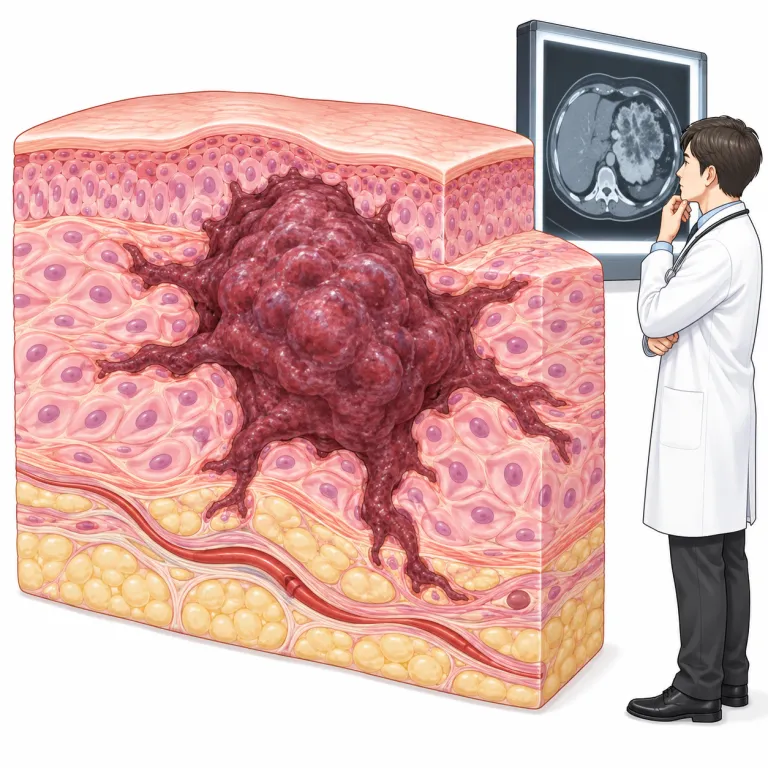
解説 Definition
人や行為については、他人を害しようとする悪意や敵意を帯びた様子を表します。医学では、がんなどが周囲に広がりやすく生命に危険を及ぼす「悪性の」という意味で使われ、文脈によって比喩的意味と専門的意味が分かれます。
Malignant describes something very harmful, dangerous, or intended to hurt. In medicine, it often means a cancer that can grow and spread in the body. In general use, it can describe strong hatred, cruelty, or a bad influence.
覚え方のコツ Memory Tip
mal- は malfunction, malformed, malice などに共通する「悪い・正常でない」の合図。そこに benign(良性の、親切な)を対で置くと、malignant は「benign の反対で、害を及ぼす側」と覚えやすい。医療では malignant tumor/cancer で「悪性の」、日常では a malignant smile/remark のように「敵意や害意を帯びた」。malicious が行為の悪意に寄りやすいのに対し、malignant は性質そのものが有害で危険、という重さがある。
The prefix `mal-` often signals something bad, like in `malfunction` or `malice`. A useful pair is `benign` versus `malignant`, especially in medical English. Outside medicine, `malignant` also keeps the idea of something harmful, hostile, or dangerous by nature.
例文
She sensed malignant intent in his words.
彼女は彼の言葉に悪意ある意図を感じ取った。
The scan revealed a malignant tumor in its early stage.
検査では初期段階の悪性腫瘍が見つかった。
The malignant campaign damaged the company's reputation.
その悪意ある中傷運動は、会社の評判を傷つけた。
malignant の類義語・関連語
対義語
紛らわしい語
malignant の語源・成り立ち Etymology
ラテン語 malignus「生まれつき悪い」→古フランス語を経て英語へ。mal-「悪い」+ gen/gign「生む」にさかのぼり、benign や genus とも縁がある。性質そのものが悪く育つ感じが、病気の「悪性」をよく表す。
Malignant comes from Latin malignus, meaning "bad by nature" or "harmful," built from mal- "bad" and a root related to birth or kind. It is connected in origin with benign and more distantly with genus. The idea of something having a bad nature developed into both the moral sense of harmful intent and the medical sense of a disease that grows in a dangerous way.
同じレベルの語彙をもっと
英検1級の一覧へ →外部辞書で調べる
この英単語をクイズで覚えよう