蒴柄、胞子嚢の柄
noun 名詞植物学では、コケ植物の胞子体にある細長い柄を指します。先端の胞子を収めた蒴を持ち上げ、胞子が周囲へ散布されやすくする部分で、動物の剛毛を指す用法とは区別されます。
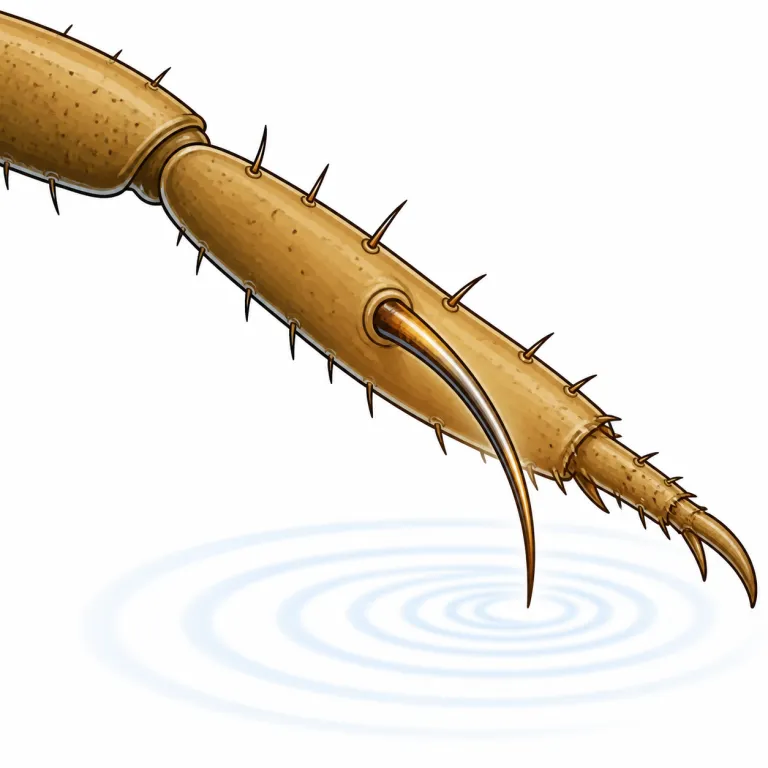
生物学的術語で、昆虫や他の動物の体に存在する針状またはブラシ状の毛のような構造。感覚器官または運動器官として機能することもあります。
A seta is a stiff, hair-like structure found on some animals, plants, or fungi. It is a technical term used in biology and related fields. The plural form is setae.
生物の図鑑や論文で、昆虫の脚や体表にある「細くて硬い一本の毛状器官」が出てきたら seta を当てる、と場面ごと覚えると残ります。普段の hair よりずっと専門的で、bristle や brush-like structure に近い語感です。単数が seta、複数が setae なので、このペアで覚えるのがコツ。感覚をとる・動きを助けるなど機能をもつ剛毛を指すことが多く、ただの毛ではない点が重要。つづりは set に a が付くだけですが、一般語 set とは切り離して覚えると混同しません。
Treat this as a biology word, not an everyday word. It often appears in descriptions of insects or animals for a stiff, hair-like structure, and it is useful to learn the pair seta / setae together. That singular-plural pair is a strong memory hook.
The seta on the insect's body helps it sense vibrations.
昆虫の体にある剛毛は、振動を感知するのに役立ちます。
Under the microscope, we could see the fine setae of the worm.
顕微鏡で、その虫の細かな剛毛を見ることができました。
The multiple setae on the spider's legs allow it to climb smooth surfaces.
クモの脚にある複数の剛毛によって、クモは滑らかな表面を登ることができます。
文脈によって、次の意味でも使われます。
植物学では、コケ植物の胞子体にある細長い柄を指します。先端の胞子を収めた蒴を持ち上げ、胞子が周囲へ散布されやすくする部分で、動物の剛毛を指す用法とは区別されます。
seta は生物学ラテン語の seta で、もとはラテン語 saeta / seta「剛毛・硬い毛」をそのまま学術語にしたものです。分解というより語そのものが「毛」を表すため、昆虫や植物の硬い毛状器官を指すのにぴったりです。関連語は setaceous, setiferous。
Seta is a scientific borrowing from Latin seta or saeta, meaning "bristle" or "stiff hair." It was taken into biological Latin and then English with that meaning almost unchanged. Because the original word already meant a stiff hair, it became a natural term for bristle-like parts in plants and animals. Related words include setaceous and setiferous.
この英単語をクイズで覚えよう