大量に投入する、かき込む
verb 動詞shovel の進行形・動名詞として、食べ物を口へ急いでかき込んだり、金や物をある場所へ大量に投入したりすることを表す。実際にシャベルを使う必要はなく、量の多さや動作の粗さを含意する口語的な用法である。
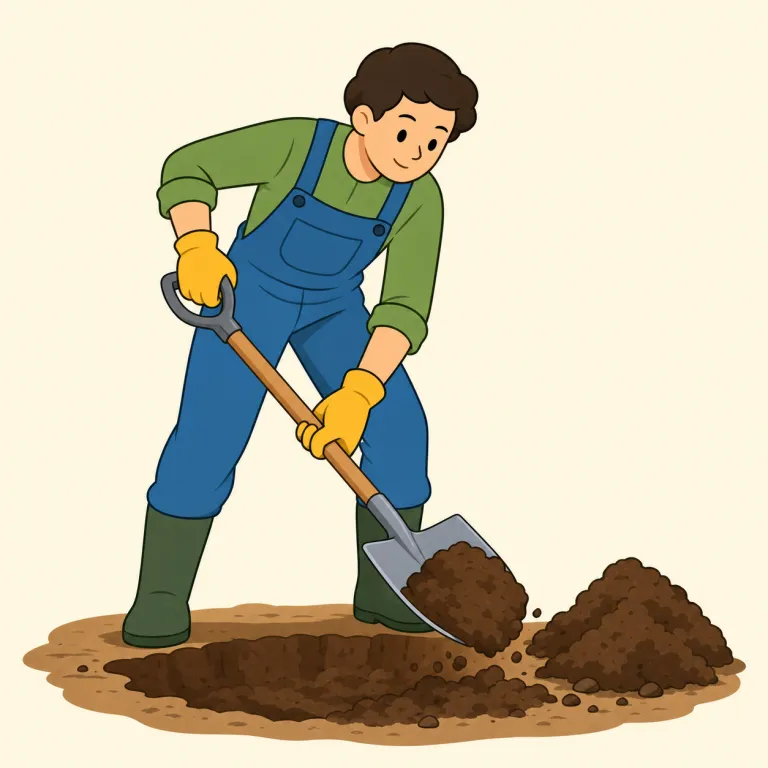
shovelling はTOEIC 990・TOEFL 100・IELTS 7.5レベルの英単語で、「シャベルで掘ること」という意味があります。発音記号は /ˈʃʌvəlɪŋ/ です。
シャベルを使って土や雪、砂などを掘り出したり、すくって移したりする作業を指します。雪かきについてもよく使われます。
Shovelling is the act of moving or digging something with a shovel. It is often used for snow, dirt, coal, or other loose material. The word can also describe hard physical work done with repeated lifting and throwing movements.
shovel「シャベルですくって動かす」+ -ing で「その作業」と覚えましょう。雪や土を繰り返しすくう姿が手がかりになります。
Think of shovel plus -ing as the action or job itself. Picture repeatedly scooping and moving snow or dirt.
Shovelling snow from the parking lot took all morning.
駐車場の雪かきには午前中いっぱいかかりました。
The shovelling after the blizzard continued all day.
猛吹雪の後の雪かきは一日中続きました。
文脈によって、次の意味でも使われます。
shovel の進行形・動名詞として、食べ物を口へ急いでかき込んだり、金や物をある場所へ大量に投入したりすることを表す。実際にシャベルを使う必要はなく、量の多さや動作の粗さを含意する口語的な用法である。
shovelling は shovel に動作名詞の -ing が付いた語で、shovel は古英語 scofl、さらにゲルマン系の「突き動かす・すくう」語に連なります。shove や shovelful も近い仲間で、土や雪を道具でぐいと押し動かす感覚が核にあります。
shovelling comes from shovel with the ending -ing. Shovel goes back to Old English scofl and older Germanic roots connected with pushing or scooping. Related English words include shove and shovelful, and the core idea has stayed the same: moving loose material by pushing or scooping it.
この英単語をクイズで覚えよう