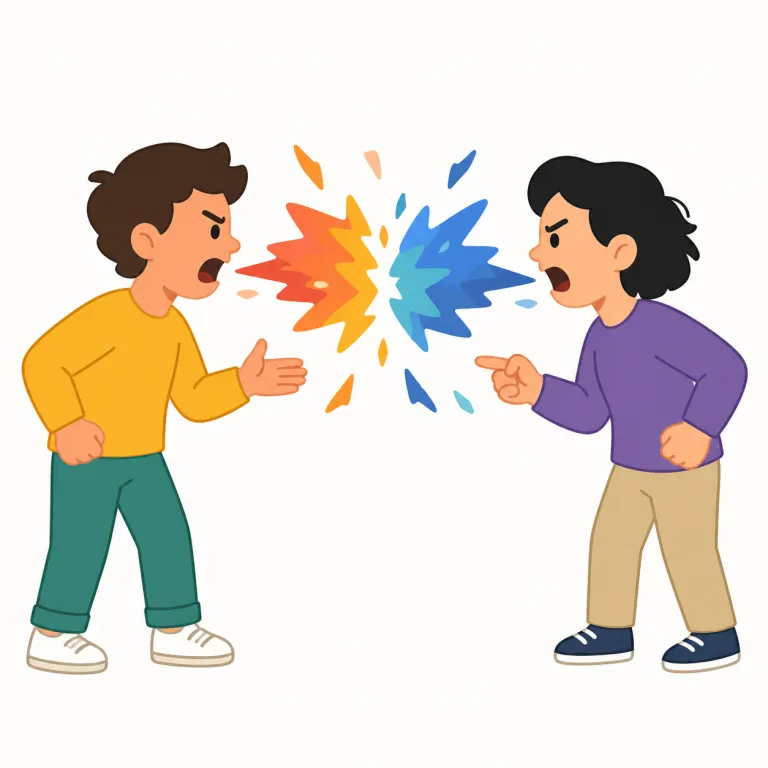
slanging
slanging はTOEIC 860・TOEFL 80・IELTS 6.5レベルの英単語で、「罵り合い」という意味があります。発音記号は /ˈslæŋɪŋ/ です。
罵り合い
解説 Definition
相手をののしったり侮辱したりする言葉を激しく投げ合うこと。感情的で攻撃的な言い争いを指し、政治家同士の非難合戦や、ネット上での応酬、口げんかのような場面について述べるときにも使われる。
Slanging is the use of rude, insulting, or abusive language, especially during an angry exchange. It often describes verbal fighting rather than calm discussion. The word is somewhat old-fashioned or literary in this sense.
覚え方のコツ Memory Tip
slang を知っていれば入りやすい語。slang は俗語・くだけた言い方だが、slanging は -ing が付いて「荒い言葉を投げ合う行為」まで意味が強まる。単なる arguing が意見の食い違い、quarreling がけんか全般なのに対し、slanging は insult を含む口撃の応酬。頻出の slanging match をセットで覚えると「罵倒合戦」の像が立ちやすい。政治家同士の非難、SNSでの言い合いのように、言葉そのものが荒れている場面と結びつけると定着しやすい。
Start from slang, meaning rough or informal language. Add -ing, and the idea becomes people throwing that rough language at each other. The common phrase "slanging match" is a strong memory hook for a noisy exchange of insults.
例文
The debate ended in a bitter slanging match between the two candidates.
討論会は2人の候補者による激しい罵り合いで終わった。
People were tired of the constant slanging in the tabloids.
人々は大衆紙で続く絶え間ない非難の応酬にうんざりしていた。
The online slanging went on late into the night.
ネット上の罵り合いは夜遅くまで続いた。
slanging の類義語・関連語
slanging の語源・成り立ち Etymology
slanging は slang に -ing が付いた形です。slang は18世紀英語で語源は不確かですが、標準から外れたくだけた言い方、つまり俗語を表す語として広まりました。そこから動詞 slang「荒い言葉でののしる」ができ、slanging はその行為として「罵り合い・激しい口論」を指すようになりました。関連語は slangy, slanginess。
Slanging is formed from slang with the ending -ing. Slang itself appeared in English in the 18th century, and its deeper origin is uncertain, though it may be linked to Scandinavian words connected with throwing or loose movement. The word came to be used for informal, non-standard language, and related forms include slangy and slanginess.
同じレベルの語彙をもっと
TOEIC 860の一覧へ →外部辞書で調べる
この英単語をクイズで覚えよう