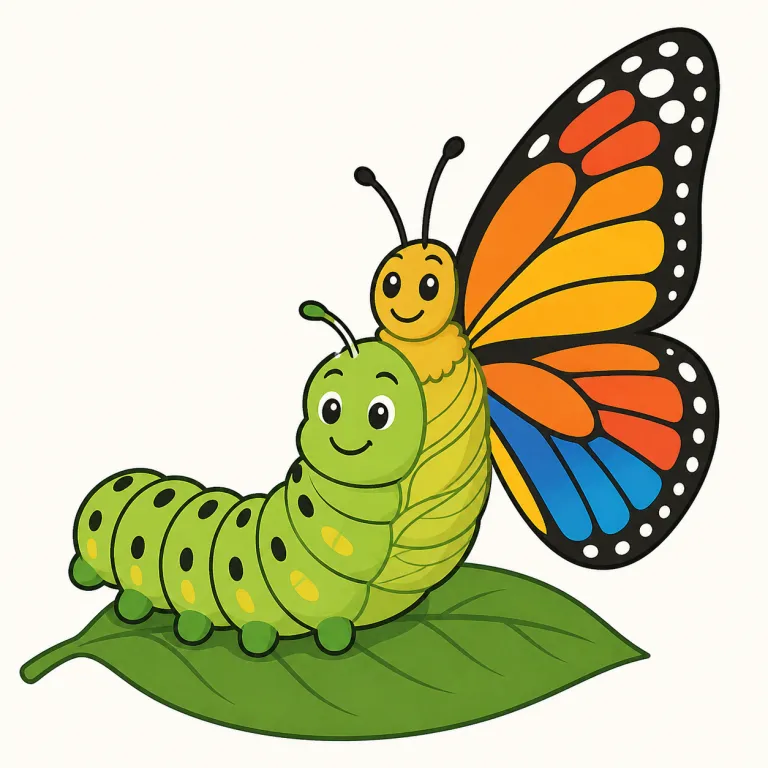
変身する
解説 Definition
変身する、または変態する。根本的に変わる。
To metamorphose means to change into a very different form or state. It is often used for complete transformation, especially in biology, literature, or formal writing. The word sounds more dramatic and formal than simply saying change.
覚え方のコツ Memory Tip
`morph` が『形を変える』仲間だと押さえると覚えやすいです。`morphology` は『形態論』、`metamorphosis` は『変身』なので、`metamorphose` はその動詞版と見ればよい語。`meta-` は『変化して別の段階へ』の感覚を足し、単なる `change` よりも外見や性質が大きく別物になる印象があります。毛虫が蝶になる、作品や街が劇的に姿を変える場面で結びつけると定着します。`transform` と近いですが、より“生き物が姿を変える”イメージを持つと区別しやすいです。
Focus on `morph`, which appears in words about form and shape, like `morphology` and `metamorphosis`. `Metamorphose` is the verb form, so it means `become a very different form`. It is stronger than simple `change`, and it fits images like a caterpillar becoming a butterfly.
例文
The caterpillar will metamorphose into a beautiful butterfly.
その毛虫は美しい蝶に変身する。
The company's business model had to metamorphose for it to survive market changes.
その会社が市場の変化を生き残るには、ビジネスモデルが大きく変わる必要があった。
Her outlook seemed to metamorphose after the experience.
その経験の後、彼女の考え方は大きく変わったようだった。
metamorphose の類義語・関連語
metamorphose の語源・成り立ち Etymology
ギリシャ語 meta-「変化・後へ」と morphe「形」がもとで、ラテン語・フランス語を経て英語に入った語です。文字どおり「形を変える」という成り立ちなので、「変身する」という意味が自然に理解できます。関連語に metamorphosis, morphology があります。
`Metamorphose` comes from Greek parts: `meta-`, meaning change or after, and `morphe`, meaning form or shape. It passed through Latin and French before entering English. Its basic idea is "change in form," which is why it developed the sense of transforming; related words include `metamorphosis` and `morphology`.
同じレベルの語彙をもっと
外部辞書で調べる
この英単語をクイズで覚えよう