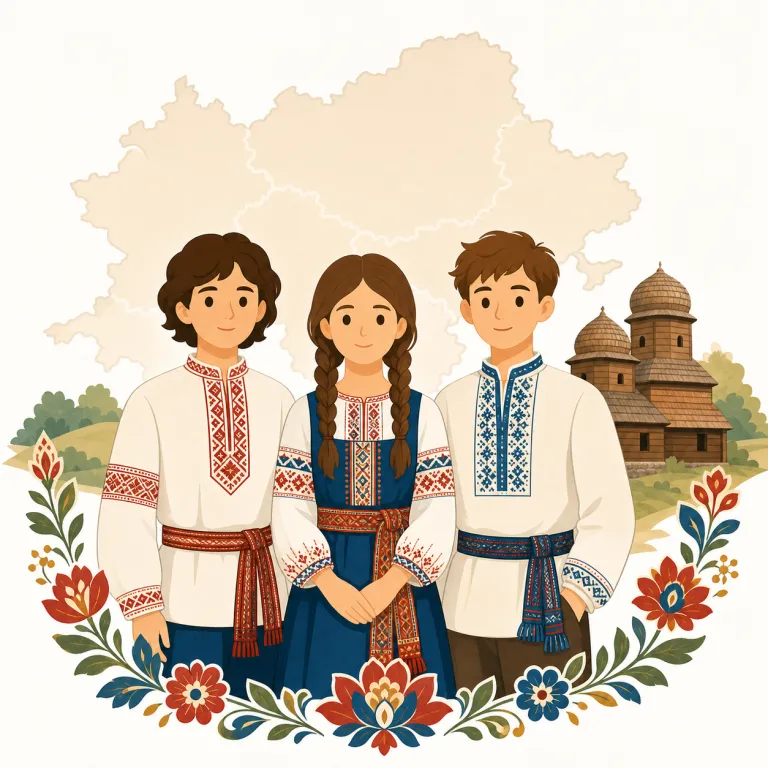
スラブ系
解説 Definition
東ヨーロッパを中心に広がるスラブ系の民族、言語、文化に関する総称。ロシア語やポーランド語などが含まれる言語群。
Slavic describes the peoples, languages, or cultures connected to the Slavs, a large group in Europe. It is often used when talking about countries such as Russia, Poland, Serbia, or Ukraine. The word is common in history, language study, and cultural topics.
覚え方のコツ Memory Tip
Slavic は特定の一国を指す語ではなく、Russian や Polish、Czech などをまとめて見渡すときの「スラブ系の」という大きなラベルとして覚えると残りやすいです。語尾 -ic は Arabic, Germanic, Nordic などと同じく「…に関する」の形。Slavic languages, Slavic culture, East Slavic のように、歴史・言語・民族の話で使われやすい表現ごと覚えると定着します。Russian と同義ではなく、より広い分類だと意識すると混同しません。
Notice the ending `-ic`, which often means `related to`, as in words like `Arabic` or `Nordic`. So `Slavic` means related to the larger Slavic world, not just one country. Remember common pairs like `Slavic languages`, `Slavic culture`, and `East Slavic`.
例文
Slavic languages include Russian, Polish, Czech, and many others.
スラブ系言語にはロシア語、ポーランド語、チェコ語など多くの言語が含まれます。
The Slavic peoples share cultural traditions rooted in centuries of common heritage.
スラブ系の人々は何世紀にもわたる共通の遺産に根ざした文化的伝統を共有しています。
Scholars divide the Slavic language family into Eastern, Western, and Southern branches.
学者たちはスラブ語族を東、西、南の三つの系統に分類しています。
slavic の類義語・関連語
slavic の語源・成り立ち Etymology
Slavic は中世ラテン語 Slavus を経た語で、さらにスラブ人の自称 Slověninŭ にさかのぼる。有力説では slovo「ことば」と同根で、「同じ言葉を話す人々」からスラブ系のという意味になった。関連語は Slav、Slavonic。
Slavic comes through Medieval Latin Slavus and goes back to the self-name of Slavic peoples, Slovene or related forms. A common explanation connects it with slovo, meaning "word" or "speech." The sense may have been "people who speak the same language," which later became the name of the whole language and culture group; related forms include Slav and Slavonic.
同じレベルの語彙をもっと
外部辞書で調べる
この英単語をクイズで覚えよう