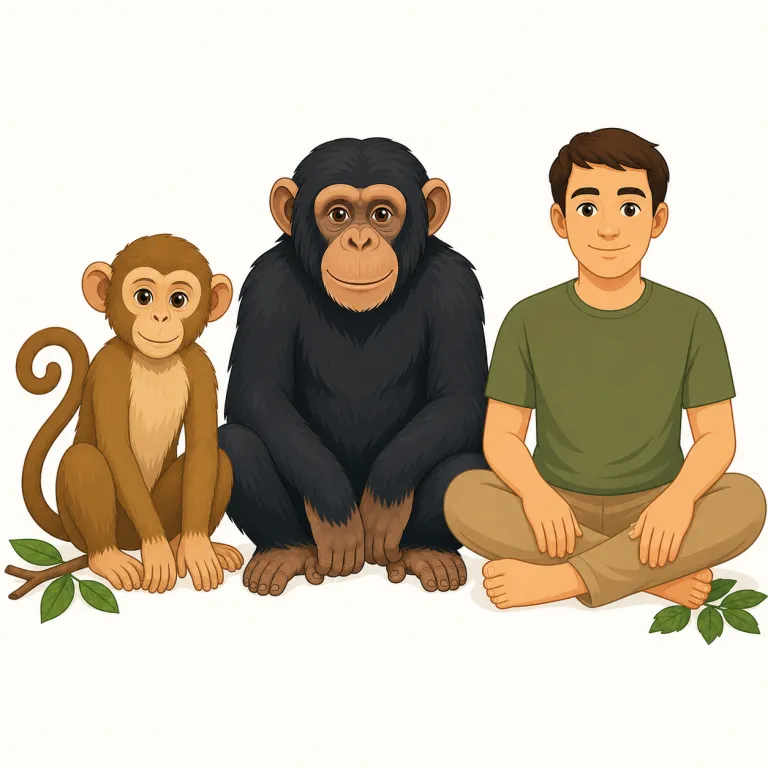
primate
primate は英検1級レベルの英単語で、「霊長類」という意味があります。発音記号は /ˈpraɪmeɪt/ です。
霊長類
解説 Definition
哺乳類の分類群の一つで、人間、類人猿、サル、キツネザルなどを含みます。多くは前向きの目や器用な手足などの特徴を持ち、行動や社会性の研究でもよく扱われます。
A primate is a type of mammal such as a monkey, ape, or human. Primates usually have large brains, hands, and eyes that face forward. The word is mainly used in biology and animal studies.
覚え方のコツ Memory Tip
prime(主要な), primary(第一の)を知っているとつなげやすい語。primate は「“上位”にいる哺乳類のグループ」→人間・類人猿・サルを含むまとまり、と覚えると定着しやすい。個々の動物名ではなく、生物分類のラベルなのがポイント。学術文脈では primate research, non-human primates もよく見かける。primitive と見た目は少し似るが、意味は全く別なので混同しない。
Connect it with "prime" or "primary," which both suggest something first or higher. "Primate" is not one animal name but a group label, including humans, apes, and monkeys. Be careful not to confuse it with "primitive," which looks similar but is a different word.
例文
The capuchin monkey is a small primate with strong social bonds.
カプチンザルは強い社会的な絆を持つ小型の霊長類です。
Primates usually have forward-facing eyes to improve their depth perception.
霊長類は通常、奥行きを捉えやすくするために前向きについた目を持っています。
The sanctuary rescues injured primates and later releases them back into the forest.
その保護区は負傷した霊長類を救出し、後に森へ戻しています。
primate の語源・成り立ち Etymology
primate は後期ラテン語 primas「第一位の者」に由来し、もとは primus「最初の」が語源です。そこから「最も上位のもの」という感覚で霊長類を指すようになりました。関連語は prime, primary です。
Primate comes from Late Latin primas, meaning "one of the first rank," from primus "first." It first had the general sense of a chief or high-ranking person. Later it was used in science for the group seen as the "highest" order of mammals, and it is related to prime and primary.
同じレベルの語彙をもっと
英検1級の一覧へ →外部辞書で調べる
この英単語をクイズで覚えよう