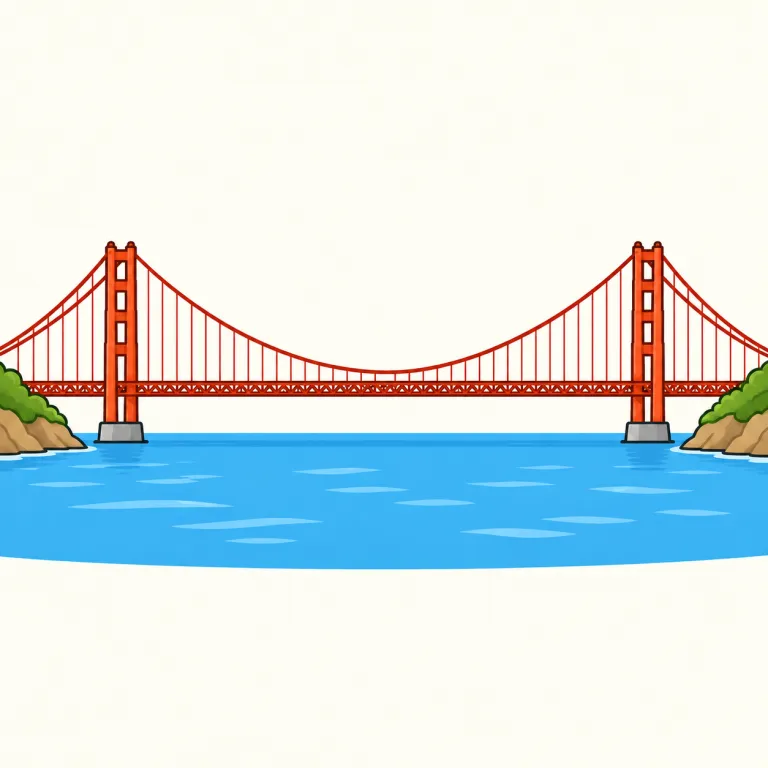
広がる
解説 Definition
空間や時間のある範囲にわたって広がっていることを表します。動詞 span の現在分詞で、名詞を説明する形容詞的な使い方があります。
Extending across, covering, or lasting through the full distance or period between two limits. As the present participle of span, it commonly describes bridges crossing physical spaces, or events, stories, and developments continuing over a stated length of time.
使い方 Usage
使い分け Common distinctions
- spanning は範囲の端から端まで及ぶことに焦点があり、単に外へ広がる spreading とは異なります。 Spanning focuses on reaching across a range from end to end; spreading describes extending outward.
覚え方のコツ Memory Tip
span の「端から端まで及ぶ」という像で、川の両岸を結ぶ橋と、時間の両端を結ぶ物語を思い浮かべましょう。短い強勢母音+子音で終わるため、n を重ねて spanning と綴ります。
Picture span as reaching from one end to the other: a bridge connects two shores, and a story connects the ends of a period. Double the final n after the short stressed vowel when adding -ing: span becomes spanning.
例文
The suspension bridge spanning the bay was an engineering marvel of the nineteenth century.
湾をまたぐその吊り橋は、19世紀の工学の驚異でした。
The author wrote a saga spanning three generations of a single family.
その作家は、一つの家族の三世代にわたる大河物語を書きました。
spanning の類義語・関連語
spanning の語源・成り立ち Etymology
古英語 spannan(結びつける、橋渡しする)に由来し、ゲルマン祖語に遡る。「両端を結ぶ」が原義で、橋が川に架かるように空間や時間に「広がる」意味に発展した。関連語に span(期間)、spanner(スパナ=両端を挟む工具)がある。
Spanning is the -ing form of span, with the final n doubled according to the usual spelling pattern. Span is historically connected with Old English spann, referring to the distance measured by an outstretched hand, and with Germanic verbs meaning “stretch” or “fasten.” Its meanings developed from a measured stretch or distance to extending across the interval between two points, whether in physical space or in time.
同じレベルの語彙をもっと
外部辞書で調べる
この英単語をクイズで覚えよう