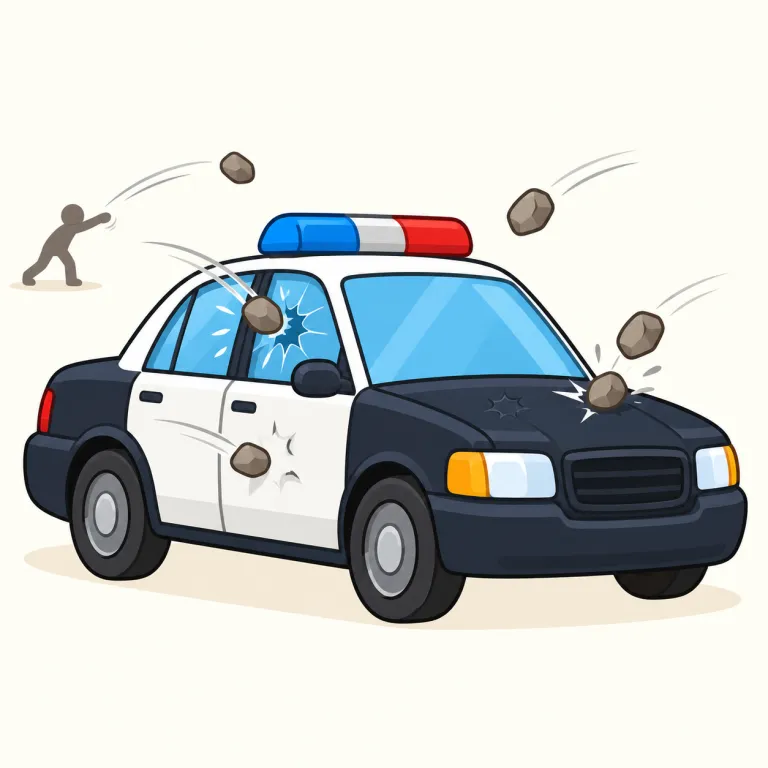
石打ち
解説 Definition
stoning は stone(石を投げる、石で打つ)の動名詞・現在分詞です。名詞としては石を投げつける行為や石打ちを指し、暴力的な行為を説明する文脈で使われます。
Stoning is the act of throwing stones at a person, vehicle, building, or other target, sometimes as an attack or punishment. In this sense it is a violent and dangerous action that can cause serious injury or damage.
覚え方のコツ Memory Tip
stoning は stone「石を投げる、石で打つ」に -ing を付けた動名詞・現在分詞です。語末の e を落として stone → stoning となり、発音は /ˈstoʊnɪŋ/。the stoning of a vehicle や speak against stoning の形で、危険な投石行為を表す名詞として覚えます。
Start with the verb stone, meaning “throw stones at” or “attack with stones.” To add -ing, drop the final silent e: stone becomes stoning, pronounced /ˈstoʊnɪŋ/. The resulting form can be a participle, but here it functions as a noun naming the action. Remember patterns such as “the stoning of a police car,” “speak against stoning,” and “Stoning can cause serious injury.” The core image is direct and literal: stones are being used against a target. Do not confuse this violent action with simply collecting, arranging, or examining stones.
例文
The report described the stoning of a police car.
その報告書はパトカーへの石打ちについて述べていました。
Stoning is a dangerous act that can seriously hurt people.
石を投げつける行為は、人に大けがをさせる危険な行為です。
The community leader spoke against stoning during the protest.
地域の指導者は抗議活動中の石打ちに反対する発言をしました。
stoning の類義語・関連語
stoning の語源・成り立ち Etymology
stoning は stone「石」に -ing が付いた語で、「石を投げること・石打ち」を表す。stone は古英語 stan、さらにゲルマン祖語にさかのぼり、関連語に stone・stony がある。語の中心イメージがそのまま「石による行為」なので意味がつかみやすい。
Stoning is formed from the verb stone plus the suffix -ing, which can name an action. In spelling, the final silent e of stone is dropped before -ing. Stone comes from Old English stān and has cognates across the Germanic languages. The noun referring to the material developed a verb meaning to throw stones at or strike with stones; stoning then names that action or process. The related adjective stony retains the same basic word family.
同じレベルの語彙をもっと
外部辞書で調べる
この英単語をクイズで覚えよう