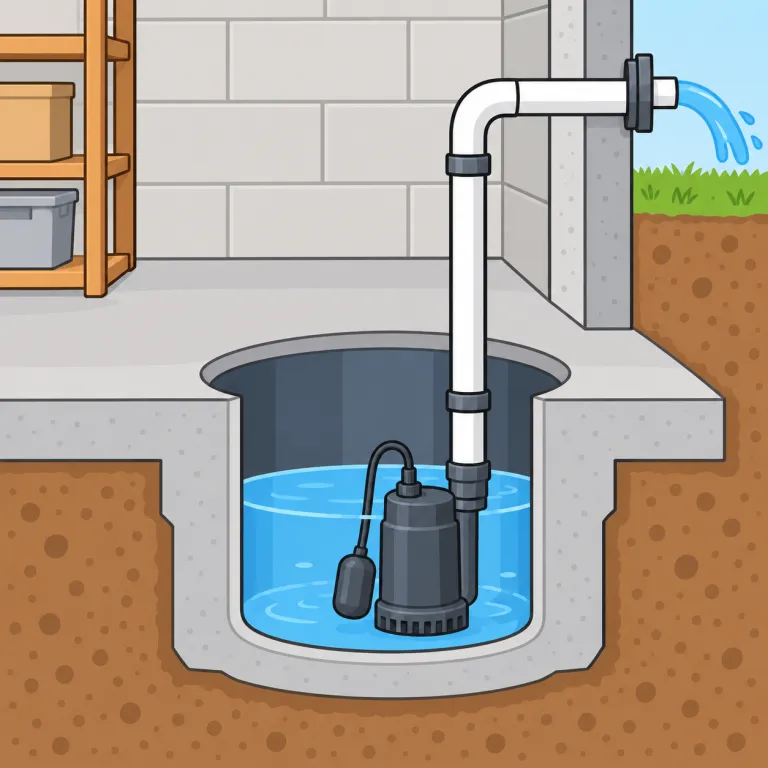
汚水溜め
解説 Definition
地下室・鉱山・機械などの低い部分にあり、水・油・廃液などが流れ込んでたまる槽やくぼみ。集水槽、汚水だめ、油だめを指します。
A sump is a low pit, basin, or compartment in which unwanted liquid collects, especially beneath a floor, in a mine, or at the bottom of a machine. The collected water, oil, or waste can then be pumped or drained away.
使い方 Usage
使い分け Common distinctions
- pond「池」と比べ、sump は排水や回収のために液体が集まる低い槽・くぼみを指す技術的な語です。 Compared with pond, sump is a technical term for a low collecting space associated with drainage or liquid recovery.
覚え方のコツ Memory Tip
液体が下へ流れ、いちばん低い槽やくぼみに集まる様子を思い浮かべましょう。「低い所に集めて、くみ出す」というイメージが覚える手がかりです。
Picture liquid flowing downward into the lowest pit or compartment. Remember the image: collect low, then pump out.
例文
Water collects in a sump beneath the floor.
水は床下の集水槽にたまる。
Oil collects in the sump at the bottom of the engine.
油はエンジン底部の油だめにたまる。
sump の類義語・関連語
sump の語源・成り立ち Etymology
sumpは中低地ドイツ語・中世オランダ語系の“湿地・ぬかるみ”を表す語にさかのぼります。関連語にドイツ語Sumpfがあり、もともと『水がたまるじめじめした場所』なので、機械や床下の汚水溜めを指す意味へ広がったと考えると自然です。
Sump entered English from Low German or Middle Dutch forms referring to a marsh, swamp, or pit where water collects. It is related to German Sumpf, meaning “swamp” or “marsh.” The underlying image is therefore a low, wet place. English extended that image to engineered pits and compartments that collect drainage water, waste liquid, or lubricating oil at the lowest part of a structure or machine.
同じレベルの語彙をもっと
外部辞書で調べる
この英単語をクイズで覚えよう