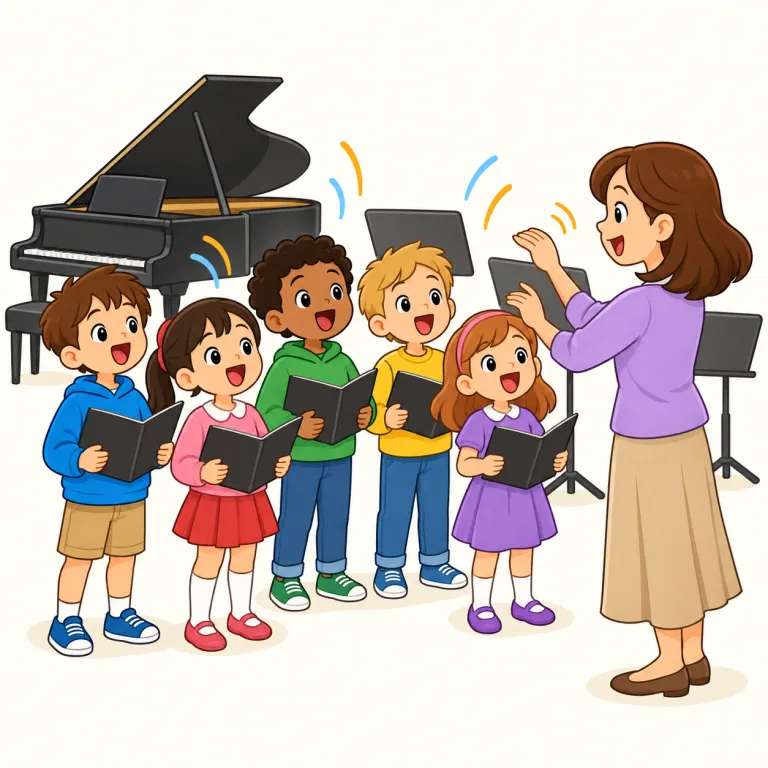
歌った
解説 Definition
sung は sing(歌う)の過去分詞です。完了形や受け身で使われ、「歌われた」「歌ったことがある」という意味を表します。
Sung is the past participle of sing. It is used with have in perfect constructions to describe completed singing experience, or with be in passive constructions to say that a song or other piece is performed vocally.
覚え方のコツ Memory Tip
sung は sing「歌う」の過去分詞で、不規則変化 sing–sang–sung の三段目。母音が /ɪ/→/æ/→/ʌ/ と変わり、sung は /sʌŋ/ と発音します。単純過去の sang と混同せず、has sung の完了形や is sung、was sung の受け身で使う形として覚えましょう。song や singer も同じ「歌」の仲間です。
Learn sung as the third form in the irregular pattern sing–sang–sung. The vowel moves from /ɪ/ in sing to /æ/ in sang and then /ʌ/ in sung, which is pronounced /sʌŋ/. Sang normally stands alone as the simple past, while sung needs an auxiliary: she has sung in a choir or the song was sung before the game. Linking the form to song and singer reinforces the shared idea of producing music with the voice. Whenever you see have, has, had, or a passive form of be, sung is the form to expect.
例文
This song is sung at school.
この歌は学校で歌われます。
She has sung in the choir before.
彼女は以前、合唱団で歌ったことがあります。
The national song was sung before the game.
試合の前に国歌が歌われました。
sung の類義語・関連語
sung の語源・成り立ち Etymology
古英語 singan(声で旋律を奏でる)に由来し、ゲルマン祖語 *singwaną に遡る。sing-sang-sung と不規則変化する過去分詞形。関連語に song(歌)、singer(歌手)がある。声を響かせるという原義が現代まで変わらず残っている。
Sung is the inherited past participle of sing, an Old English verb recorded as singan and traceable to a Germanic ancestor conventionally reconstructed as *singwaną. Its internal vowel change is not an added suffix but part of an old Germanic strong-verb pattern, preserved today in sing–sang–sung. The related nouns song and singer come from the same Germanic word family and retain the long-standing association with vocal music.
同じレベルの語彙をもっと
外部辞書で調べる
この英単語をクイズで覚えよう