提案や条件を魅力的にすること
noun 名詞提案や契約条件に金銭や特典などを加え、相手にとって受け入れやすくすることを比喩的に表します。
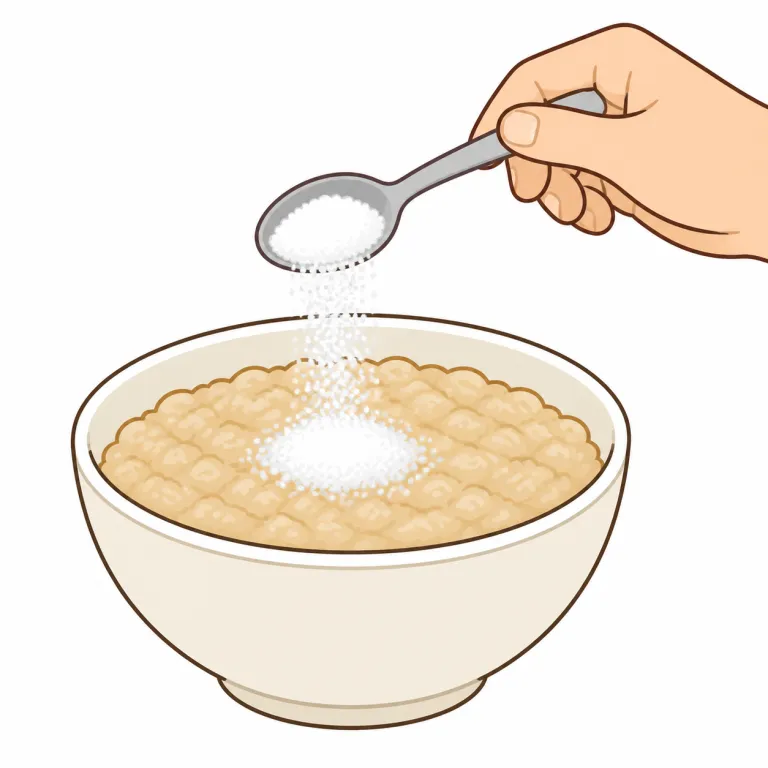
飲み物や食べ物に砂糖や甘味料を加えて甘くすること、またはその工程を指す名詞。料理や食品加工の文脈で使われることが多く、甘さを増す操作そのものを表す。健康面や味の調整について述べる場面でも用いられる。
Sweetening is the act of making something sweeter, usually by adding sugar or another sweet substance. It can also mean a small extra benefit added to make an offer more attractive. The word appears in food, business, and everyday use.
まず sweet「甘い」が見えれば核はつかめます。そこに -en が付くと「〜にする」ので sweeten は「甘くする」、さらに -ing で「甘くすること」という動作名詞になります。seasoning と並べて覚えると整理しやすく、seasoning が味付け全般なのに対し、sweetening は砂糖や甘味料を足して甘さを上げる工程に寄りやすい語です。tea, coffee, sauce, processed food など食品文脈で見かけやすく、sweetness のような“甘さそのもの”ではなく“加える操作”を表す点を意識すると残ります。
Start with `sweet`, then add `-en` to make `sweeten`, meaning "make sweet." Add `-ing`, and you get the action: `sweetening`. It helps to compare it with `seasoning`: `seasoning` adds flavor in general, but `sweetening` adds sweetness.
The sweetening of the juice made it more appealing to children.
ジュースを甘くしたことで、子どもたちにより好まれるようになった。
The company reduced the sweetening process to appeal to health-conscious consumers.
その会社は健康志向の消費者に訴えるため、加糖の工程を減らした。
Excessive sweetening can lead to dental problems and obesity.
甘くしすぎることは、虫歯や肥満につながる可能性がある。
文脈によって、次の意味でも使われます。
提案や契約条件に金銭や特典などを加え、相手にとって受け入れやすくすることを比喩的に表します。
sweetening は sweeten の -ing 形で、sweet(甘い)+動詞化接尾辞 -en「〜にする」から成ります。sweet は古英語 swete に由来するため、核の感覚は「甘さを与える」で、そこから味だけでなく条件をよくするという比喩にも広がりました。関連語は sweet, sweeten。
Sweetening comes from sweeten, built from sweet plus the verb-forming suffix -en, meaning "make." Sweet goes back to Old English swete. The core idea was first to make something taste sweet, then it widened in a figurative way to mean making terms or conditions more pleasing. Related words are sweet and sweeten.
この英単語をクイズで覚えよう