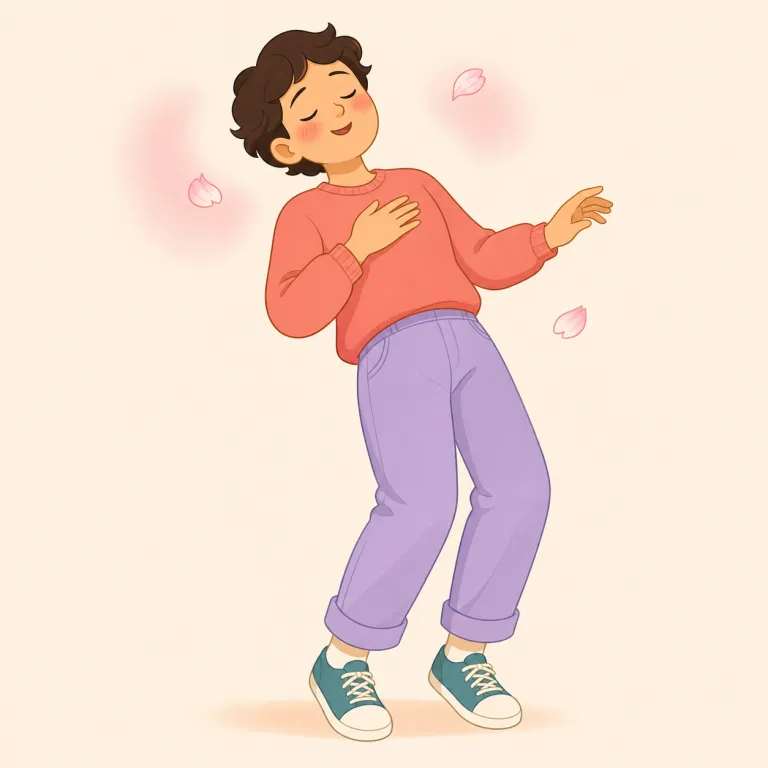
うっとりする、気が遠くなる
解説 Definition
swoon の現在分詞・動名詞で、強い感動や魅力に当てられてうっとりすること、または暑さや疲労などで今にも倒れそうなくらい気が遠くなることを表す。文脈によって、恋愛的な陶酔と身体的なふらつきの両方に使われる。
Swooning means becoming very weak or faint, or showing a strong emotional reaction such as admiration or romantic excitement. The word can be used literally for losing strength or more figuratively for being deeply affected by someone or something.
覚え方のコツ Memory Tip
まず核は swoon=「強い刺激でふらっとなる」。そこに -ing が付いて、「今まさにうっとりしている/倒れそうになっている場面」を思い浮かべると残りやすいです。恋愛・推し文脈では swooning over him のように「彼にメロメロ」、暑さや疲労の文脈では「気が遠くなる」。同じ『好き』でもただの like では弱く、swooning は理性が少し飛ぶほど強い反応だと押さえると、陶酔と失神寸前の両義がつながります。
Think of `swoon` as a much stronger reaction than simply `like`. People are often `swooning over` a singer, actor, or romantic scene, as if they are carried away. It can also connect with heat or tiredness, so the feeling can be emotional or physical.
例文
Fans were swooning over the lead singer during the concert.
コンサート中、ファンたちはリードシンガーにうっとりしていた。
She was nearly swooning from the heat after standing in the sun for hours.
何時間も日なたに立っていた彼女は、暑さで今にも倒れそうだった。
The romantic scene in the film had the entire audience swooning.
その映画のロマンチックな場面に、観客全員がうっとりした。
swooning の類義語・関連語
対義語
swooning の語源・成り立ち Etymology
swooning は swoon の進行形で、swoon は中英語 swounen、さらに古英語 geswogen「息が詰まった・気を失った」に由来します。もとは呼吸が弱まり倒れる感覚で、そこから「気絶する」、転じて「うっとりする」にもなりました。関連語に swoon、swoony があります。
`Swooning` comes from `swoon`, from Middle English `swounen`, and earlier Old English forms linked to troubled breathing or loss of consciousness. The earliest sense was about becoming weak, breathless, or faint. Later, English also used it more figuratively for being overcome by strong emotion or admiration.
同じレベルの語彙をもっと
外部辞書で調べる
この英単語をクイズで覚えよう