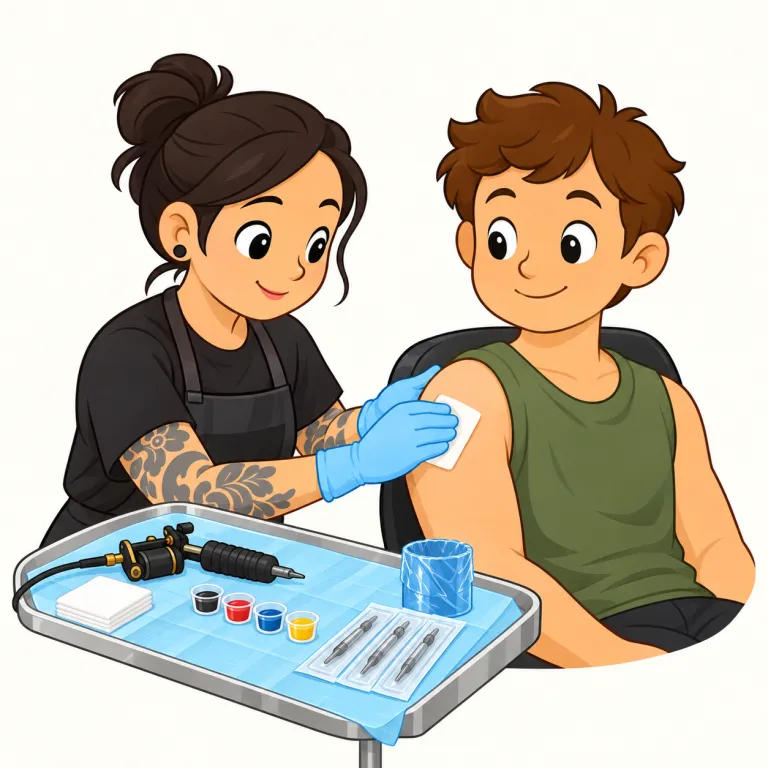
入れ墨
解説 Definition
名詞として、皮膚に入れ墨を施す行為・技術を指します。完成した模様そのものよりも、施術の過程や技法に焦点があります。
Tattooing is the act, practice, or technique of making permanent designs on the skin by inserting pigment through punctures. As a noun or gerund, it emphasizes the process and craft rather than an individual finished tattoo.
使い方 Usage
- 行為や技術を表すときは、traditional tattooing や modern tattooing のように、通常は冠詞を付けずに使います。 When referring to the activity or technique, it usually appears without an article, as in traditional tattooing or modern tattooing.
使い分け Common distinctions
- a tattoo は完成した入れ墨の模様を指します。tattooing は動名詞・名詞のほか、動詞 tattoo の現在分詞としても使われます。 A tattoo refers to a finished design. Tattooing can be a noun or gerund, and it is also the present participle of the verb tattoo.
覚え方のコツ Memory Tip
tattoo にそのまま -ing を付けて tattooing。針やインクを使って模様を入れている場面を思い浮かべ、「入れ墨を施す作業」と結び付けましょう。
Add -ing directly to tattoo to make tattooing. Picture an artist using needles and ink to create a design, and connect the word with the activity.
例文
Tattooing requires clean tools and careful preparation.
入れ墨を施す作業には、清潔な道具と慎重な準備が必要です。
She studied traditional tattooing in a cultural history class.
彼女は文化史の授業で、伝統的な入れ墨の技法について学んだ。
Modern tattooing uses different machines and inks for different designs.
現代の入れ墨の施術では、デザインに応じてさまざまな機械やインクが使われます。
tattooing の類義語・関連語
tattooing の語源・成り立ち Etymology
ポリネシア語(サモア語 tatau=叩く・印をつける)が起源。18世紀にキャプテン・クックがタヒチから英語に持ち帰った。語根 ta は「叩く」を意味し、皮膚を針で叩いて模様を入れる技法そのものを表す。関連語:tattoo(刺青)、tattooer(彫り師)。音と動作が直結した擬音的な語源を持つ珍しい借用語。
Tattooing is formed from tattoo plus the suffix -ing. English tattoo, in the skin-marking sense, was borrowed in the eighteenth century from a Polynesian word, commonly associated with Tahitian tatau and related Samoan forms. The term became widely known in English after European voyages in the Pacific, including those of James Cook. The -ing form developed regularly in English to denote the action, practice, or process of applying tattoos.
同じレベルの語彙をもっと
外部辞書で調べる
この英単語をクイズで覚えよう