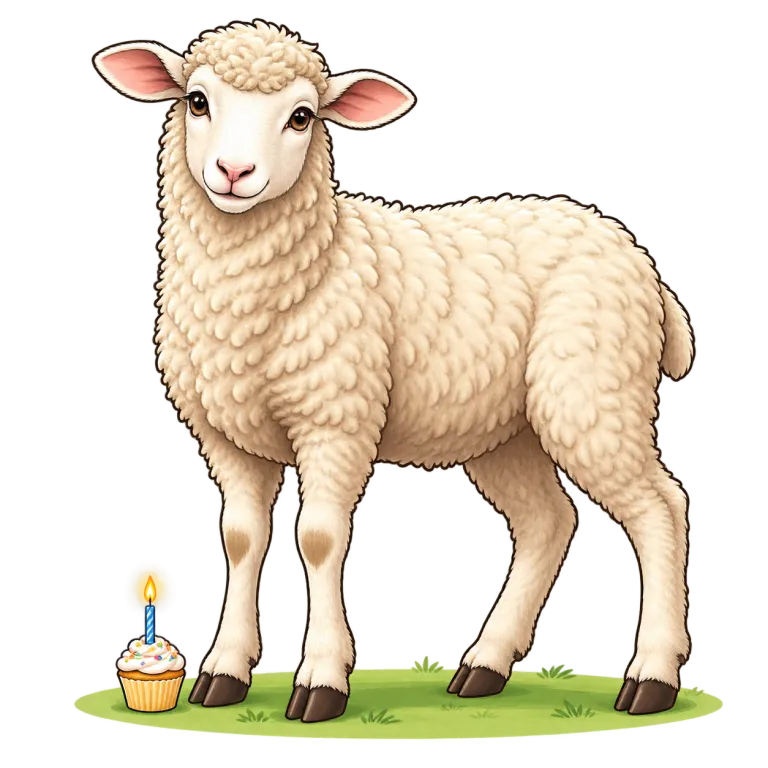
1歳の羊
解説 Definition
teg は主に英国英語で、1歳前後、または2年目に入った若い羊を指します。牧畜で羊の年齢段階を細かく区別するときに使われる語です。
A teg is a young sheep, usually about one year old. The word is mainly used in farming and sheep raising, not in everyday conversation. It is a specific animal term rather than a general word.
覚え方のコツ Memory Tip
teg は分解して推測しにくい英国の牧畜語なので、羊の成長順を lamb → teg → adult sheep と一本の時間軸にして覚えるのが確実です。生まれたばかりの子羊ではなく、最初の一年を越えて二年目に入った若い羊、という位置に teg の札を置きます。牧場で farmer が tegs を older sheep から分ける場面を思い浮かべ、複数形 tegs、teg wool、young tegs という実際の連語も一緒に固定するとよいでしょう。単に「若い羊」ではなく「一歳前後という年齢区分」と押さえると混同しにくいです。
Remember `teg` as a special farm word, not an everyday word. In sheep vocabulary, English often uses different names by age or type, like `lamb`, `ewe`, and `ram`. So `teg` is another narrow label in that same sheep-naming system. Do not mix it up with common words like `tag`.
例文
The farmer separated the tegs from the older sheep.
農夫は1歳前後の羊を年上の羊から分けた。
Teg wool is coarser than fleece from adult sheep.
1歳前後の羊の毛は、成羊の毛よりも粗い。
Young tegs require careful handling during their first grazing season.
1歳前後の若い羊は、初めての放牧期には慎重に扱う必要がある。
teg の類義語・関連語
紛らわしい語
teg の語源・成り立ち Etymology
teg は16世紀英語に見える牧畜語で、語源は不詳だがスカンディナヴィア系とされ、スウェーデン語 tacka「雌羊」と比べられることがあります。分解して覚える語ではありませんが、羊を年齢や毛の段階で呼び分ける語だと分かると、「1歳の羊」またはその羊の毛という限定的な意味が腑に落ちます。関連形に tegg。
Teg is recorded in English from the 16th century, but its exact origin is uncertain. It is often linked to Scandinavian words, especially Swedish tacka, meaning "ewe." It seems to belong to old farming vocabulary, where animals were named very precisely by age or kind, which explains its narrow use for a year-old sheep.
同じレベルの語彙をもっと
外部辞書で調べる
この英単語をクイズで覚えよう