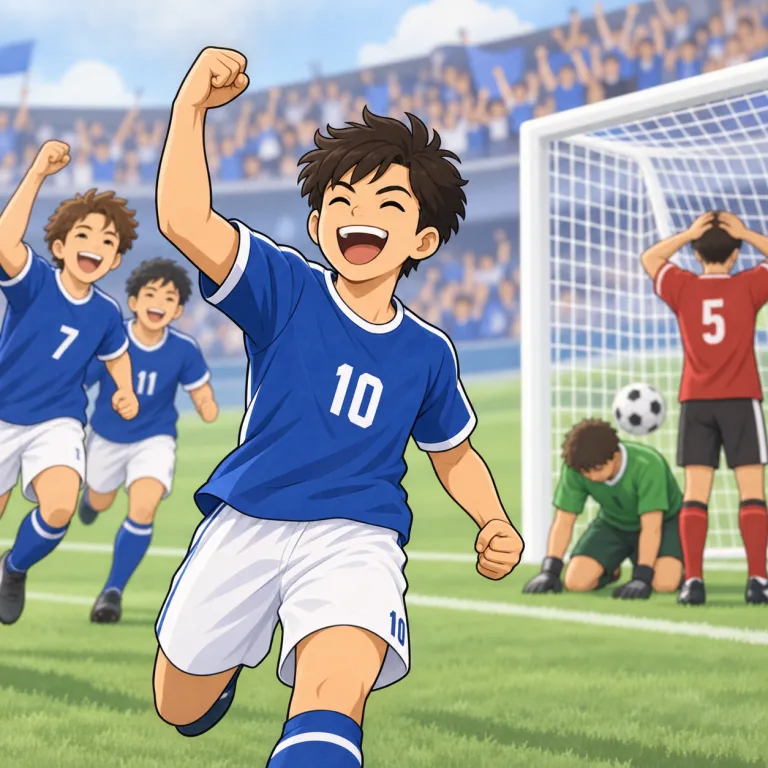
形勢を逆転する
解説 Definition
字面は「潮の流れが向きを変えること」だが、本義は「形勢を逆転する」ということ。直訳の場面そのものではなく、状況や態度を比喩的に述べる表現で、会話・記事・職場の説明などでニュアンスを添える。典型的には、変化の前触れ、判断のタイミング、相手への評価などを短く印象づける時に用いられる。
This expression means change a losing situation. The literal words create a concrete image, but the real use is figurative. It is useful in conversation, news, or workplace writing when the speaker wants to add a clear nuance.
覚え方のコツ Memory Tip
まず字面の「潮の流れが向きを変えること」を具体的な絵として思い浮かべる。そこから、実際の意味は物や動物や時間の話ではなく、人の判断や状況を「形勢を逆転する」と捉える比喩だとつなげる。英語では turn the tide の形がまとまって働くので、単語ごとに訳すより、前後に来る動詞や名詞ごと覚えるとよい。特に説明文やニュース、日常会話で、話し手の評価や含みを短く加える役割を意識する。字面通りの出来事を説明しているのではなく、その絵を状況判断へ移す点を意識する。
Learn "turn the tide" as one fixed expression. First imagine the literal picture suggested by the words, then connect it to the idea of change a losing situation. Do not translate each word separately, because the idiomatic meaning is what matters.
例文
One goal turned the tide of the match.
1点が試合の形勢を逆転した。
The new evidence could turn the tide in court.
新証拠が法廷で形勢を逆転するかもしれない。
The policy helped turn the tide against inflation.
その政策はインフレに対する流れを変える助けとなった。
turn the tide の語源・成り立ち Etymology
由来は「潮の流れが向きを変えること」という日常観察や文化的な発想を、抽象的な状況へ移した比喩にある。字面の具体像が強いため、時間を経て「形勢を逆転する」を表す慣用句として定着した。現在は元の具体的な場面を離れ、比喩として会話や文章で広く使われる。
The phrase comes from a concrete image in ordinary life, nature, or social custom. Over time, that image became a metaphor for change a losing situation.
同じレベルの語彙をもっと
外部辞書で調べる
この英熟語をクイズで覚えよう