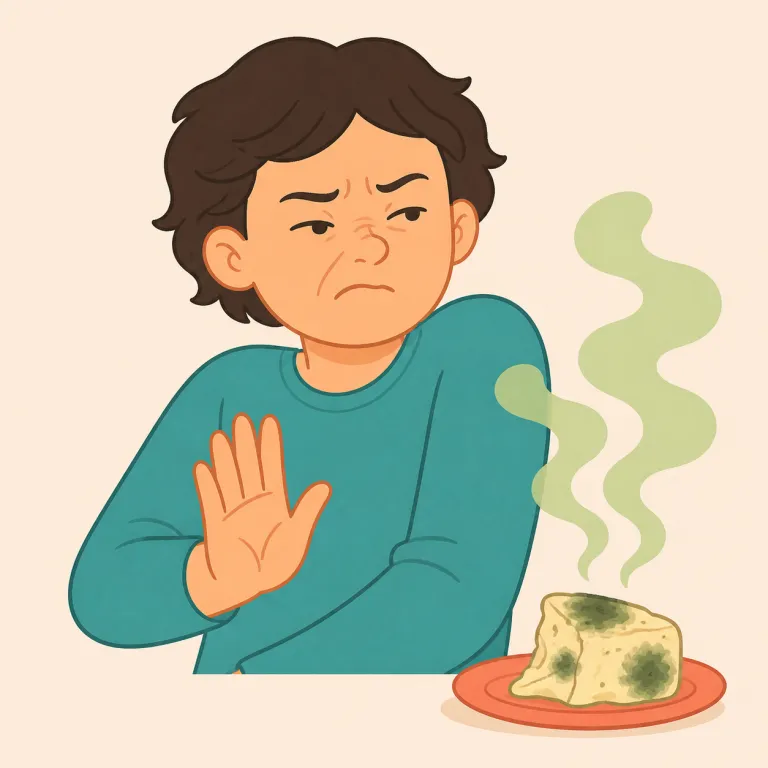
不和、いざこざ
noun 名詞人間関係における口論、不和、敵意などの気まずい出来事や状態を指します。しばしば between A and B の形や過去の対立を語る文脈で使われ、単なる感覚的な不快さより対人関係の摩擦に焦点があります。
不快で嫌な感じ。気分が悪い状態や事柄。不愉快さの度合い。
Unpleasantness means a feeling or situation that is uncomfortable, upsetting, or not enjoyable. It can refer to bad emotions, rude behavior, or tension between people. It is a general word for something negative or awkward.
まず核は pleasant「心地よい」。これに un- が付くと unpleasant「不快な」、さらに -ness で「その状態・性質」になり、形容詞を名詞化した語だと覚えると崩れません。意味は単なる痛みより広く、嫌な空気・不愉快さ・面倒な感じまで含められるのがポイント。discomfort が身体的な不快にも寄りやすいのに対し、unpleasantness は人間関係や場面のいやな感じにも使えます。an unpleasantness between them のように、場の気まずさを思い浮かべると定着しやすいです。
This word has three clear parts: `pleasant` + `un-` + `-ness`. That gives you the idea of `the state of being unpleasant`. It is useful to remember that it often refers to an awkward or bad feeling in a situation, not just physical discomfort.
The unpleasantness of the situation was hard to ignore.
その状況の不快感は無視するのが難しかった。
Despite the unpleasantness, they remained professional.
気まずい状況にもかかわらず、彼らはプロとして行動し続けた。
The unpleasantness gradually faded with time.
不快感は時間とともに徐々に薄れた。
文脈によって、次の意味でも使われます。
人間関係における口論、不和、敵意などの気まずい出来事や状態を指します。しばしば between A and B の形や過去の対立を語る文脈で使われ、単なる感覚的な不快さより対人関係の摩擦に焦点があります。
unpleasantness は un-「否定」+ pleasant「心地よい」+ -ness「状態」の組み合わせです。pleasant は古フランス語 plaisant、さらにラテン語 placere「喜ばせる」にさかのぼり、「快さがない状態」から「不快感」になり、同根語に please, pleasure があります。
Unpleasantness comes from un- "not," pleasant, and -ness "state or quality." Pleasant came into English through Old French plaisant and goes back to Latin placere, meaning "to please." So the word originally meant the state of not being pleasing, and it later came to mean discomfort or something socially disagreeable. Related words include please and pleasure.
この英単語をクイズで覚えよう