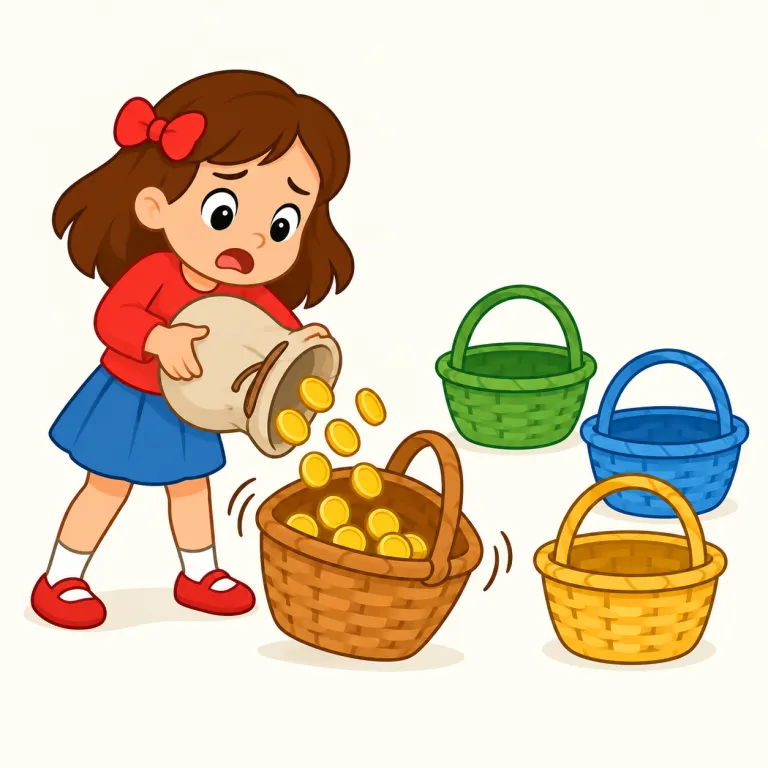
愚かにも
解説 Definition
賢明でない方法で。思慮に欠けた判断で行動するさま。
Unwisely means in a way that shows poor judgment or lack of good sense. It is used when someone makes a choice that is likely to cause problems or have bad results.
覚え方のコツ Memory Tip
un- は「反対・否定」、wise は「賢い」、-ly は副詞なので、形を見れば「賢くなく行う」がそのまま unwisely。まず wisely「賢明に」を先に覚え、その逆が unwisely とすると定着しやすい。judge, invest, spend unwisely のように「判断・お金・時間の使い方を誤って」という場面でよく出る。foolishly にも近いが、unwisely は感情的というより『判断がよくない』ことに重心がある。
The parts are very clear: un + wise + ly. First remember wisely, then flip it to unwisely as its opposite. It often appears with decisions about money, time, or judgment, so connect it with choosing badly rather than simply acting foolishly.
例文
She unwisely invested all her savings in a single volatile stock.
彼女は愚かにも全貯蓄を一つの不安定な株に投資した。
He unwisely ignored the doctor's advice and continued his strenuous exercise routine.
彼は愚かにも医者の忠告を無視して、激しい運動を続けた。
The company unwisely expanded too quickly and ran into serious financial trouble.
その会社は愚かにも急速に拡大しすぎて、深刻な財政難に陥った。
unwisely の類義語・関連語
派生語
紛らわしい語
unwisely の語源・成り立ち Etymology
unwisely は un-「〜でなく」+ wise + -ly から成る。wise は古英語 wis「賢い・知っている」に由来し、さらに印欧祖語 *weid-「見る→知る」へさかのぼるので、「見えていないように振る舞う」が「愚かにも」という意味になる。関連語は wisdom、wit。
Unwisely is formed from un-, wise, and -ly. Wise comes from Old English wis, meaning "knowing" or "learned," from an older Indo-European root meaning "to see," which also gave the sense "to know." So the word suggests acting as if one does not see or understand clearly, which became the sense "in a foolish way." Related words include wisdom and wit.
同じレベルの語彙をもっと
外部辞書で調べる
この英単語をクイズで覚えよう